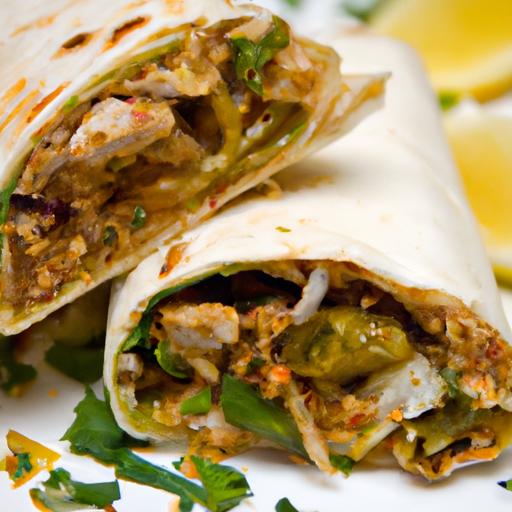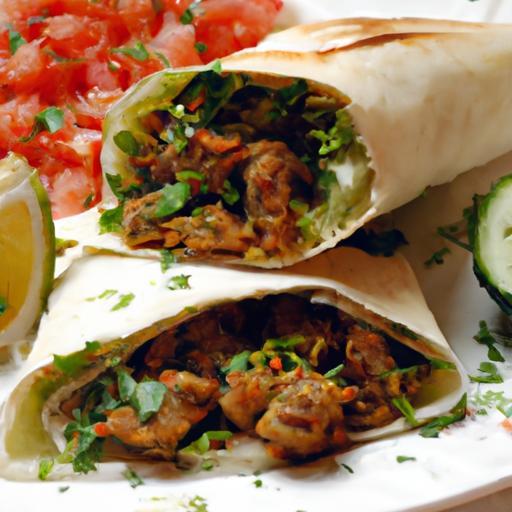

In the vibrant tapestry of global street food, few dishes capture the essence of tradition and taste quite like Mersin Tantuni. Originating from the sun-kissed Mediterranean city of Mersin, Turkey, this humble street food delight offers more than just a meal-it serves a flavorful journey steeped in history, culture, and culinary artistry. With its perfectly spiced, tender strips of beef or lamb wrapped in warm, freshly toasted flatbread, accompanied by a symphony of fresh vegetables and zesty seasonings, Mersin Tantuni tempts the palate and ignites the senses. Join us as we explore the rich heritage and irresistible flavors of Mersin Tantuni, uncovering why this street-side specialty has won the hearts of food lovers around the world.
Mersin Tantuni is a culinary gem hailing from the southern Turkish city of Mersin, where the turquoise waves of the Mediterranean kiss vibrant streets echoing centuries of rich food culture. This beloved street food delicacy, traditionally wrapped in thin flatbread and bursting with fiery, aromatic flavors, reflects its roots in nomadic and coastal communities who prized simple, quality ingredients cooked with care. My first encounter with Mersin Tantuni was at a bustling seaside market, where the sizzling sound of finely chopped beef and spices meeting a hot pan instantly captured my senses and sparked an enduring passion for mastering this iconic dish. This flavorful journey through street food delights not only celebrates authentic tastes but also reveals the secret ingredients and expert techniques that make Mersin Tantuni irresistible and truly unforgettable.
Prep and Cook Time
- Preparation: 15 minutes
- Cooking: 10 minutes
- Total: 25 minutes
Yield
Serves 4 tantalizing wraps
Difficulty Level
Medium – requires careful attention to sautéing and seasoning
Ingredients
- 500g lean beef, finely diced or minced (preferably from the round or shoulder)
- 3 tbsp sunflower or vegetable oil
- 1 large onion, finely chopped
- 2 medium tomatoes, deseeded and finely chopped
- 1 tbsp tomato paste
- 2 tsp ground cumin
- 1 tsp smoked paprika
- 1 tsp red pepper flakes (adjust for heat preference)
- Salt and freshly ground black pepper, to taste
- A handful of fresh parsley, finely chopped
- Juice of half a lemon
- 4-6 thin lavash or yufka flatbreads
- Optional garnish: sumac, thinly sliced green peppers, fresh mint leaves
Instructions
- Prepare the beef: If not pre-minced, finely dice your beef into small, uniform pieces to ensure even cooking and that signature chewy texture.
- Heat the oil: In a wide skillet or traditional tantuni pan, warm the sunflower oil over medium-high heat until shimmering but not smoking.
- Sauté onions: Add the finely chopped onion and sauté until translucent, about 3 minutes, stirring regularly to prevent sticking.
- Cook the beef: Add the beef to the skillet and stir continuously, cooking until the meat browns evenly and releases its juices, about 5 minutes. Break apart any clumps gently with a wooden spatula.
- Incorporate tomato paste and spices: Stir in the tomato paste, ground cumin, paprika, and red pepper flakes, tossing everything together to coat the meat thoroughly. Cook for 2 minutes to develop the fragrant spice blend.
- Add tomatoes and season: Stir in the chopped tomatoes and season with salt and pepper. Allow the mixture to simmer for another 3 minutes until the tomatoes soften and meld with the meat flavors.
- Finish and flavor: Stir in the fresh parsley and lemon juice off the heat to retain brightness and freshness.
- Heat the flatbreads: Warm the lavash or yufka in a dry skillet or wrap in foil and heat in a low oven until pliable and slightly toasty.
- Assemble the tantuni: Spoon a generous amount of the warm, aromatic beef mixture onto each flatbread. Add optional garnishes such as sliced green peppers or a sprinkle of sumac for tanginess.
- Wrap and enjoy: Fold or roll the flatbread tightly and serve immediately to savor the perfect marriage of spices, texture, and zest.
Chef’s Notes & Tips for Success
- Using finely diced beef rather than ground delivers a more authentic texture that allows the spices to infuse each tender morsel.
- Adjust red pepper flakes to craft your preferred chili kick-from mild warmth to fiery heat.
- For a slightly smoky flavor, consider adding a pinch of Aleppo pepper in place of paprika.
- To prepare ahead, cook the beef mixture in advance and refrigerate up to 24 hours; gently reheat before serving to preserve juiciness.
- Experiment with flatbreads-if lavash or yufka aren’t available, a warm flour tortilla is a reasonable stand-in.
- Fresh lemon juice added right before serving brightens the dish and balances the rich meatiness.
Serving Suggestions
Mersin Tantuni is best enjoyed fresh and hot, accompanied by crisp salads of cucumbers and tomatoes tossed in olive oil and a hint of lemon. A cooling dollop of yogurt or cacık (Turkish tzatziki) complements the spices beautifully. For garnish, scatter a pinch of sumac or fresh mint leaves atop the wrap. Pair with an ice-cold Ayran-a traditional Turkish yogurt drink-or a glass of pomegranate juice for a refreshing contrast. Serving this street food at a casual gathering or as part of a mezze spread brings a vibrant, interactive experience to the table.
| Nutritional Info (Per Serving) | Calories | Protein | Carbs | Fat |
|---|---|---|---|---|
| Mersin Tantuni Wrap | 320 kcal | 28 g | 20 g | 15 g |

Discover more about traditional Turkish street foods in our Ultimate Turkish Street Food Guide. For a deeper dive into the history of Mediterranean spices, visit the Encyclopedia Britannica article on spices.
Q&A
Q&A: Mersin Tantuni – A Flavorful Journey Through Street Food Delights
Q1: What exactly is Mersin Tantuni?
A1: Mersin Tantuni is a mouthwatering Turkish street food originating from the vibrant coastal city of Mersin. It features finely chopped, spiced beef or lamb sautéed in a special blend of oils and served in a soft, thin lavash bread, creating a perfect harmony of smoky, savory, and zesty flavors.
Q2: How does Mersin Tantuni differ from other Turkish wraps or kebabs?
A2: Unlike heavier kebabs or dürüms, Tantuni is uniquely prepared by sautéing the meat in cottonseed oil, which gives it a light yet rich texture. The meat is chopped finely rather than sliced or skewered, allowing every bite to burst with even seasoning and juiciness. Plus, the accompanying fresh tomatoes, parsley, and a squeeze of lemon elevate the dish into a fresh, irresistible street food delight.
Q3: Why is Mersin Tantuni considered a cultural icon in Turkish street food?
A3: Tantuni is not just food; it’s a tradition disseminated through generations in Mersin’s bustling streets. It embodies the essence of communal eating, simplicity, and expertly balanced flavors. Each vendor adds their twist, becoming a storyteller of local taste and heritage. Eating Tantuni is embracing a piece of Mersin’s soul-an edible narrative of place and people.
Q4: What should first-timers expect when trying Mersin Tantuni?
A4: Expect a whirlwind of aromas, textures, and vibrant tastes. The first bite reveals tender, spicy meat mingled with the freshness of herbs and tangy lemon, wrapped in soft lavash bread that holds everything together without overshadowing the flavors. It’s quick, satisfying, and utterly comforting-perfect for travelers eager to immerse themselves in authentic Turkish street food culture.
Q5: Can Tantuni be customized to suit different tastes or dietary needs?
A5: Absolutely! While traditional Tantuni centers on beef or lamb, some vendors offer chicken versions or even vegetarian adaptations featuring mushrooms or eggplant sautéed with similar spices. Adjustments in spice level, lemon juice, and herb quantity allow each diner to personalize their flavorful journey through Mersin’s streets.
Q6: Where is the best place to enjoy Mersin Tantuni?
A6: The best Tantuni is often found at humble street stalls and local eateries in Mersin itself, where recipes have been perfected over decades. The city’s night markets and seaside avenues buzz with vendors serving freshly made Tantuni, inviting you to savor the authentic taste amid lively neighborhood vibes.
Q7: How has Mersin Tantuni influenced global street food trends?
A7: Mersin Tantuni has transcended borders, inspiring chefs globally to embrace its technique of quick sautéing finely chopped meat with bold spices and fresh herbs. Its balance of simplicity and flavor has informed new takes on wraps and flatbread snacks worldwide, signaling a growing appreciation for subtle but powerful street food classics.
In Retrospect
As the sun sets over the bustling streets of Mersin, the aroma of sizzling meat and freshly toasted bread lingers in the air, inviting locals and travelers alike to savor the magic of tantuni. This humble street food, steeped in tradition and bursting with bold flavors, offers more than just a meal-it’s a flavorful journey through the heart of Turkish cuisine and culture. Whether enjoyed from a bustling roadside stand or a cozy eatery, Mersin tantuni captures the essence of street food delight, reminding us that some of the most unforgettable tastes come from simple, time-honored recipes. So next time you crave a culinary adventure, let the tantalizing spice and tender textures of tantuni transport you straight to the vibrant streets of Mersin, where every bite tells a story.