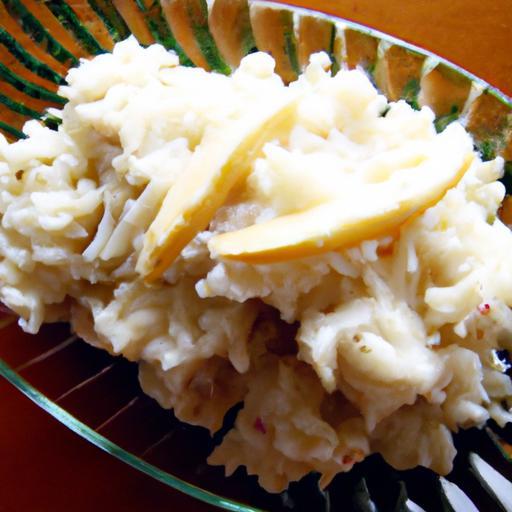

In the vibrant tapestry of Thai cuisine, where bold flavors and delicate textures dance in perfect harmony, there exists a dessert that epitomizes comfort and indulgence-Sticky Rice & Coconut Cream. This luscious duo, with its tender, glutinous rice soaked in fragrant coconut milk, offers a blissful sweetness that transcends mere taste. More than just a treat, it is a cultural emblem, a culinary ritual passed down through generations, evoking the tropical spirit and warmth of Thailand’s kitchens. Join us as we delve into the origins, preparation, and irresistible charm of this beloved dessert, a true delight that captures the essence of Thai hospitality in every bite.
Sticky Rice & Coconut Cream: A Blissful Thai Dessert Delight
Sticky Rice & Coconut Cream is more than just a dessert; it is a cherished symbol of Thai culinary tradition and an indulgence that captures the warmth of tropical flavors. This beloved treat combines the luscious creaminess of coconut milk with the comforting, chewy texture of sticky rice, creating a harmonious balance that has delighted taste buds for centuries. Born out of rural Thai communities where coconut trees grow abundantly, this dish connects generations through simple ingredients and heartfelt preparation.
Prep and Cook Time
- Preparation: 20 minutes
- Cooking: 40 minutes
- Total Time: 1 hour
Yield
Serves 4 hearty portions
Difficulty Level
Medium – perfect for home cooks ready to master texture and flavor balance
Ingredients
- 1 cup glutinous sticky rice, rinsed and soaked for at least 4 hours or overnight
- 1 1/2 cups coconut cream (preferably fresh or high-quality canned)
- 1/2 cup granulated sugar
- 1/4 teaspoon fine sea salt
- 1/2 cup coconut milk (full fat)
- 1 tablespoon toasted sesame seeds or mung beans (optional for garnish)
- Fresh ripe mango slices (for serving, optional but highly recommended)
Instructions
- Prepare the sticky rice: Drain the soaked rice and place it in a bamboo steamer lined with cheesecloth or a clean kitchen towel. Steam over boiling water for about 20-25 minutes until tender but still chewy. Rotate the rice gently halfway through for even cooking.
- Make the coconut cream sauce: While the rice steams, combine the coconut cream, granulated sugar, and sea salt in a small saucepan. Warm over medium heat, stirring continuously just until the sugar dissolves. Avoid boiling to keep the cream smooth and silky.
- Mix the coconut sauce with sticky rice: Transfer freshly steamed sticky rice to a large bowl. Slowly pour 1 cup of the warm coconut cream mixture over the rice, stirring gently to coat the grains evenly. Cover and let it rest for at least 15 minutes, allowing the rice to absorb the rich flavors.
- Prepare coconut milk drizzle: Warm the remaining 1/2 cup coconut milk in a saucepan and add a pinch of salt. This will be drizzled on top upon serving for an extra layer of creaminess.
- Assemble and serve: Spoon the fragrant sticky rice onto serving dishes, drizzle with the warm coconut milk, and garnish with toasted sesame seeds or mung beans for crunch. Add fresh mango slices on the side for a classic Thai pairing.
Tips for Success
- Rice soaking: Soak the sticky rice for at least 4 hours or overnight. This step is critical for achieving the ideal chewy texture.
- Steaming technique: Use a bamboo steamer or a mesh basket to allow gentle steam circulation. Avoid direct contact with boiling water to prevent sogginess.
- Fresh coconut cream: For the richest flavor, use freshly squeezed coconut cream if possible. Otherwise, choose canned varieties with no additives and a high fat content.
- Sweetness level: Adjust sugar to taste – some prefer a subtler sweetness while others love it rich and decadent.
- Make-ahead option: Keep the sticky rice covered at room temperature for up to 4 hours. Reheat gently in a steamer before serving.
Serving Suggestions
Present Sticky Rice & Coconut Cream on a small banana leaf or a colorful plate to evoke authentic Thai street food charm. Garnish with vibrant yellow mango slices, a sprinkle of toasted sesame seeds, and for an extra burst of texture, add crushed roasted peanuts or a drizzle of palm sugar syrup. Serve with a refreshing Thai iced tea or jasmine tea to complement the sweet, creamy indulgence. For a creative twist, drizzle a touch of passionfruit pulp or fresh berries to brighten the dish visually and taste-wise.
| Nutrient | Per Serving |
|---|---|
| Calories | 320 kcal |
| Protein | 3 g |
| Carbohydrates | 45 g |
| Fat | 12 g |
If you want to dive deeper into traditional Thai desserts, have a look at our article on Mango Shrimp Salad, a perfect savory companion. For more cultural insight, explore this detailed history of Thai cuisine on Britannica.

Q&A
Q&A: Sticky Rice & Coconut Cream – A Blissful Thai Dessert Delight
Q1: What makes sticky rice & coconut cream such a beloved Thai dessert?
A1: The magic lies in the harmonious blend of textures and flavors. Sticky rice offers a tender, chewy base, while the luscious coconut cream adds a rich, velvety sweetness. Together, they create a balance that dances on your palate-comforting yet exotic.
Q2: Is sticky rice the same as regular rice?
A2: Not quite! Sticky rice, or glutinous rice, has a unique starch composition that gives it a soft, sticky texture when cooked. Unlike long-grain varieties, it clumps together beautifully, making it perfect for scooping and savoring with coconut cream.
Q3: How is the coconut cream prepared for this dessert?
A3: Coconut cream is crafted by simmering fresh coconut milk with a touch of sugar and a sprinkle of salt. This concoction thickens into a luscious sauce that’s poured generously over the sticky rice, enhancing its natural sweetness with creamy depth.
Q4: Are there traditional accompaniments to enhance this dessert?
A4: Absolutely! Slices of ripe mango are often served alongside for a burst of fruity brightness. Some versions also include toasted sesame seeds or mung beans sprinkled on top for added texture and nutty notes.
Q5: Can this dessert be enjoyed year-round or is it seasonal?
A5: While sticky rice & coconut cream can be savored anytime, it especially shines during mango season in Thailand, when fresh, sun-ripened mangoes elevate the dish to heavenly heights. But no matter the season, its comforting flavors are always delightful.
Q6: Is sticky rice & coconut cream suitable for special diets?
A6: Indeed! This dessert is naturally gluten-free and can be made vegan, making it accessible for many dietary preferences. The key ingredients-rice and coconut-are wholesome and plant-based.
Q7: How can one recreate this blissful dessert at home?
A7: Start with soaking and steaming sticky rice to achieve that perfect sticky texture. Prepare a silky coconut cream sauce with coconut milk, sugar, and salt. Serve the warm rice drizzled with the cream, and add fresh mango slices or toasted seeds if you like. The secret is patience and love in the kitchen!
Q8: What cultural significance does sticky rice & coconut cream hold in Thailand?
A8: Beyond its delightful taste, this dessert embodies Thai hospitality and tradition. It’s often shared during festivals and family gatherings, symbolizing sweetness and togetherness. It’s a delicious reminder of Thailand’s rich culinary heritage and the joyful moments food can bring.
Dive into this creamy treasure, and you’re tasting not just a dessert, but a piece of Thailand’s heart.
Key Takeaways
As the last spoonful of sticky rice drenched in luscious coconut cream melts away, you’re left with more than just a satisfied palate – you’ve experienced a vibrant slice of Thailand’s culinary heart. This humble yet heavenly dessert tells a story of tradition, tropical abundance, and the timeless joy found in simple ingredients transformed by skill and love. Whether enjoyed on a bustling Bangkok street corner or prepared lovingly at home, sticky rice and coconut cream remain a blissful reminder that sometimes, the sweetest delights are those that connect us to culture, comfort, and moments worth savoring.