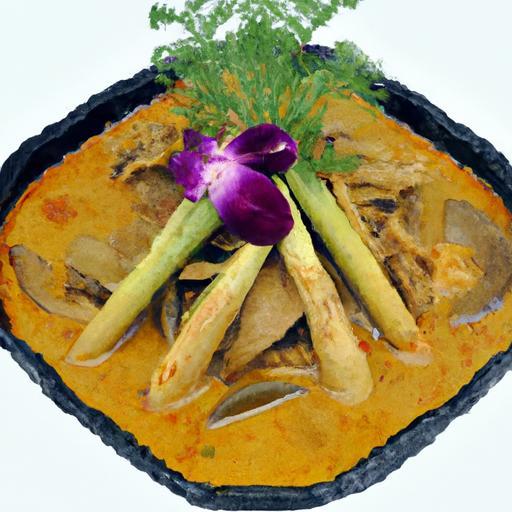

When it comes to crafting the perfect curry, every spice plays a starring role-none more so than the elusive galangal root. With its sharp, citrusy aroma and warming peppery bite, galangal lends curries their unique keenness, transporting taste buds on a vibrant journey through Southeast Asia. But what happens when this rare root hides away from your local market or slips off your shopping list? Enter the art of the spice swap. Whether you’re navigating a pantry shortfall or simply experimenting with flavors, discovering the best substitutes for galangal root can unlock new dimensions in your curry without missing a beat. Join us as we explore these flavorful stand-ins and share tips to keep your curry creations just as unforgettable.
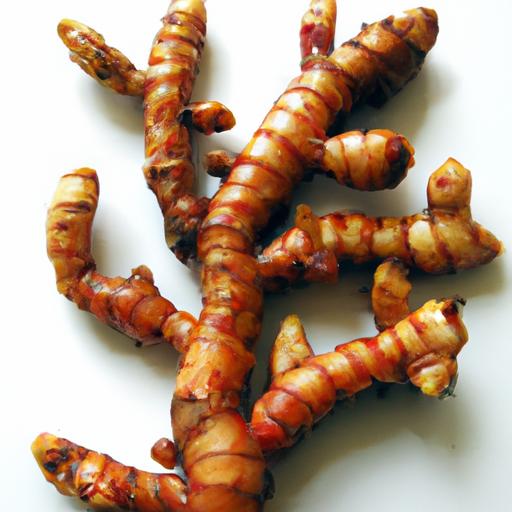
Spice Swap: Best Substitutes for Galangal Root in Curry unveils the vibrant soul of Southeast Asian curries, where galangal root reigns supreme for its zesty citrusy notes blended with subtle pine and earthy undertones. This aromatic rhizome breathes life into dishes, offering a unique punch that traditional ginger or turmeric alone can’t duplicate. Its sharp yet mild warmth adds layers of complexity, making curries uniquely refreshing and delightfully memorable. As a culinary content creator and food stylist, I’ve watched countless home cooks wrestle with the elusive nature of galangal in recipes, often questioning how to replicate its distinctive character when it’s out of reach. Today, we explore natural alternatives that capture galangal’s essence while empowering you to adjust your curry recipe seamlessly for vibrant results every time.
Prep and Cook Time
- Preparation: 15 minutes
- Cooking: 35 minutes
- Total Time: 50 minutes
Yield
Serves 4 generous portions
Difficulty Level
Medium – Perfect for adventurous home cooks looking to master flavor swaps
Ingredients
- 1 tablespoon palm oil or vegetable oil
- 1 medium onion, finely chopped
- 4 cloves garlic, minced
- 1 thumb-sized piece fresh galangal root (or substitute, see below), peeled and thinly sliced
- 2 teaspoons coriander powder
- 1 teaspoon cumin powder
- 1 teaspoon turmeric powder
- 1 tablespoon lemongrass paste or finely chopped stalk
- 400ml coconut milk
- 300g chicken (or tofu for vegetarian option), cut into bite-sized pieces
- 1 cup diced tomatoes (fresh or canned)
- Salt and freshly ground black pepper, to taste
- Fresh cilantro, for garnish
- 1-2 green chilies, sliced (optional, for heat)
- Juice of 1 lime
Instructions
- Heat the palm oil in a large pan over medium heat. Add the finely chopped onion and sauté until soft and translucent, about 5 minutes.
- Add the minced garlic and thinly sliced galangal root (or your chosen substitute). Sauté gently, stirring often, until fragrant – roughly 2-3 minutes. This step releases the zesty notes that define the curry’s character.
- Incorporate the coriander, cumin, and turmeric powders into the pan. Toast the spices for 1 minute to deepen their flavors but avoid burning.
- Stir in lemongrass paste and diced tomatoes. Cook until the tomatoes soften and meld into the spice mixture, about 5 minutes.
- Pour in the coconut milk, stirring continuously to combine. Bring the curry base to a gentle simmer.
- Add chicken pieces and cook slowly in the simmering coconut milk for 25 minutes or until tender and infused with spice.
- Season with salt, black pepper, and sliced green chilies if using. Adjust seasoning according to taste.
- Finish by stirring in fresh lime juice to balance the heat and earthiness with acidity.
- Serve hot, garnished with chopped fresh cilantro for a burst of herbal brightness.
Expert Tips for Balancing Flavors with Galangal Root Replacements
When substituting galangal root, remember its flavor is bright, slightly peppery, and mildly citrusy with a cool pine nuance. Fresh ginger is the most accessible swap but tends to be warmer and less citrusy. To mimic galangal’s zesty bite, try combining equal parts fresh ginger with a small splash of lime juice or kaffir lime zest. Alternatively, fingerroot (Chinese ginger) or a light touch of dried galangal powder can help retain authenticity if fresh galangal is unavailable.
Adjust your curry’s spice blend accordingly: reduce additional ginger or turmeric if your substitute is already quite potent, and increase the acid or citrus component to recapture that sharp zing.
Serving Suggestions
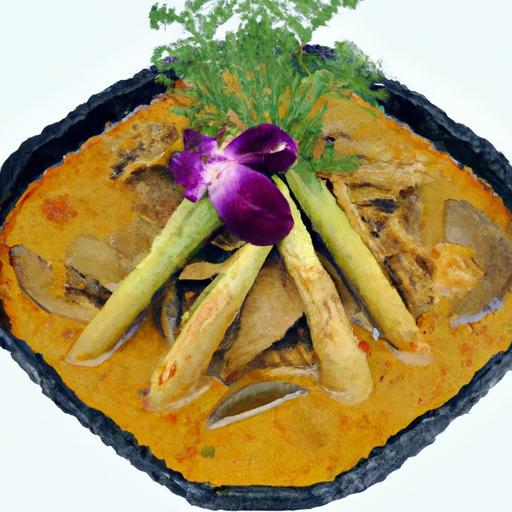
This curry shines when partnered with fragrant jasmine rice that soaks up its creamy sauce. For contrasting textures, serve alongside a crisp cucumber salad or lightly pickled vegetables to awaken the palate. Garnish with extra lime wedges, freshly chopped cilantro, and finely sliced red chilies for a vibrant tableau that’s as beautiful as it is flavorful.
Pair with a chilled glass of Riesling or a fruity light beer to enhance the curry’s fragrant complexity and spice balance.
| Nutrient | Per Serving |
|---|---|
| Calories | 420 kcal |
| Protein | 28 g |
| Carbohydrates | 14 g |
| Fat | 28 g |
Internal Link: Discover more about flavor-enhancing herbs in our guide to lemongrass in cooking.
External Reference: Learn about the botanical profile of galangal and its culinary value at Botanical Gardens – Galangal Profile.

Q&A
Q&A: Spice Swap – Best Substitutes for Galangal Root in Curry
Q1: What exactly is galangal root, and why is it so special in curries?
A: Galangal root is a zingy, citrusy rhizome closely related to ginger, but with a sharper, pine-like aroma and a hint of peppery spice. It’s a star ingredient in many Southeast Asian curries, lending a unique depth and brightness that’s hard to replicate. Think of it as the soulful spark that makes your curry sing!
Q2: I can’t find fresh galangal where I live. What are the best substitutes I can use without losing that distinctive flavor?
A: No worries! While galangal’s exact flavor is one of a kind, you can use a combination of fresh ginger and lime zest to mimic its sharp citrus notes and warming spiciness. Another option is dried or powdered galangal if you can find it – just use less since it’s more concentrated. Fingerroot or blue ginger, if available, can also make excellent swaps.
Q3: Can ginger alone replace galangal in curry recipes?
A: Ginger is the closest cousin to galangal, but it’s earthier and less citrusy. Using fresh ginger alone brings warmth and spice, but to capture that bright zing, pair it with a squeeze of lime juice or a bit of lime zest. This duo helps recreate galangal’s vibrant punch, making your curry flavor more authentic.
Q4: What other spices or ingredients can enhance the curry if I’m substituting galangal?
A: To boost complexity, consider adding a splash of kaffir lime leaves, a pinch of white pepper, or a bit of lemongrass. These bring forward the zesty and floral notes that galangal usually contributes. The magic is in layering flavors-balancing spice, citrus, and earthiness to achieve that signature curry depth.
Q5: Does substituting galangal change the texture or cooking method in a curry?
A: Not significantly. Since galangal is usually sliced or pounded to release flavor, swapping it with ginger or dried galangal powder is straightforward. Just adjust quantities to taste, and remember that dried powders infuse faster, so add them earlier in the cooking process to mellow out.
Q6: Any kitchen hacks for storing or using galangal substitutes to maximize flavor?
A: Fresh ginger and lime zest keep well in the fridge-grate or finely chop just before cooking for maximum aroma. Dry galangal powder benefits from being toasted lightly in a dry pan before adding to your dish, awakening its essential oils. And freeze lime zest in small portions so you always have a burst of fresh citrus ready when needed.
Q7: Can these substitutes work beyond curry, in other dishes calling for galangal?
A: Absolutely! The ginger-lime combo shines in soups, marinades, and stir-fries where galangal’s bright, spicy notes are desired. Just tweak quantities according to the dish’s flavor profile and enjoy a zingy culinary adventure even without fresh galangal on hand.
Whether you’re a spice adventurer or a home cook craving that Southeast Asian magic, these galangal substitutes keep your curries flavorful, bright, and balanced. Happy cooking-and spice swapping!
The Conclusion
As you embark on your next curry-making adventure, remember that the essence of flavor lies not just in the ingredients themselves, but in the creativity they inspire. While galangal root may be the star spice in many Southeast Asian dishes, its substitutes-whether the bright zing of ginger, the citrusy hint of kaffir lime zest, or the warm depth of turmeric-offer their own unique twist to your culinary story. So, don’t stress if galangal is out of reach; instead, embrace the spice swap as an opportunity to experiment, discover new tastes, and make every curry uniquely yours. After all, the best kitchen innovations often begin with a humble substitution. Happy cooking!