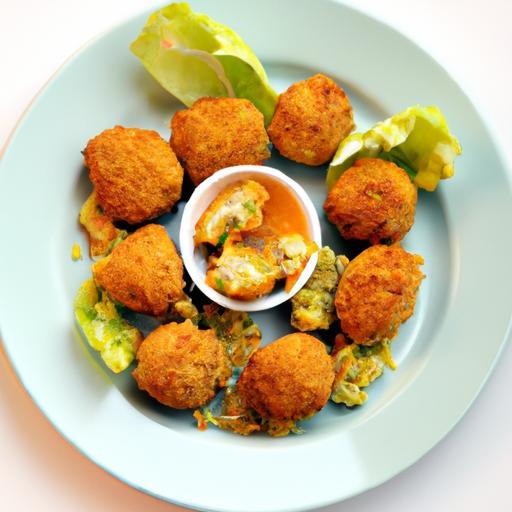

Imagine tearing into a piping hot pupusa, the savory Salvadoran staple, only to have a luscious river of melted cheese burst forth, pooling delectably on your plate. That irresistible ooze is more than just a delightful surprise-it’s a culinary phenomenon that tells a story about ingredients, technique, and tradition. But what exactly causes that glorious gooey leak? In this article, we’ll unwrap the science and artistry behind the cheese-filled pupusa’s melty magic, exploring how the right cheese, perfect dough, and cooking method come together to create that signature, oozy experience that keeps food lovers coming back for more.
When Pupusas Ooze Cheese: What Causes the Gooey Leak? is more than a curiosity-it’s a delightful science that brings this beloved Salvadoran dish to life in your kitchen. The magic starts with the chemistry of cheese and masa, a marriage of simple ingredients transformed by heat and technique into a warm, melty, and comforting bite. Understanding how cheese melts inside pupusas not only ensures a gooey center but keeps it perfectly sealed, creating an irresistible combination of textures and flavors.
Prep and Cook Time
Preparation: 25 minutes | Cooking: 15 minutes | Total: 40 minutes
Yield
Serves 6 pupusas (about 3 servings)
Difficulty Level
Medium – Requires careful dough handling and cheese selection for best results
Ingredients
- 2 cups masa harina (corn flour for tortillas)
- 1 ½ cups warm water
- 1 tsp salt
- 1 ¼ cups grated mozzarella cheese (low-moisture, part-skim preferred)
- ½ cup grated queso fresco (optional, for added texture and flavor)
- Cooking oil spray or vegetable oil, for greasing the griddle
Instructions
- Combine masa harina, salt, and warm water in a mixing bowl. Knead gently with your hands until a soft, pliable dough forms that holds together without crumbling. Let it rest for 10 minutes, allowing the masa to hydrate fully.
- Divide the dough into 6 equal balls, about 3 ounces each. Keep them covered with a damp cloth to avoid drying.
- Mix the mozzarella and queso fresco cheese in a bowl. This blend helps balance the meltability and flavor. Mozzarella offers great stretch, while queso fresco gives authentic tang and prevents overly watery melts.
- Flatten one dough ball into a 4-inch disc using your palms, making sure the edges are thinner than the center.
- Place 2-3 tablespoons of cheese mixture in the center. Carefully fold edges over the cheese, pinching and sealing completely, then gently pat into a flattened disc about ¾ inch thick. Proper sealing is key to prevent cheese leakage.
- Heat a non-stick skillet or griddle over medium heat. Lightly grease with oil to prevent sticking.
- Cook each pupusa for 5-6 minutes per side, pressing gently with a spatula so the cheese inside melts and the exterior forms a golden crust. Avoid flipping too frequently to preserve structure.
- Transfer cooked pupusas to a warm plate and cover with a kitchen towel to keep warm and maintain softness until serving.
Chef’s Notes: Tips for Success
- Select cheeses with moderate moisture and melting properties. Avoid overly wet cheeses that can cause excessive ooze.
- Seal the edges tightly by pinching and folding multiple times; gaps invite cheese leaks.
- Rest dough balls under a damp towel to maintain elasticity and prevent cracking during forming.
- Control cooking temperature-too high, and the cheese bursts out; too low, and the dough stays gummy.
- Customize your cheese blend by adding sharper cheeses like cheddar or mild monterey jack for unique flavors, but maintain at least 50% mozzarella for the gooey melt.
- Make-ahead tip: Form pupusas and store them on a lined tray, covered tightly in plastic wrap for up to 24 hours before cooking.
Serving Suggestions
Serve your cheesy pupusas hot with a side of traditional curtido – a tangy cabbage slaw that cuts through the richness. Accompany with a drizzle of salsa roja for spicy warmth.
For presentation, garnish with chopped fresh cilantro and thin slices of avocado. Pair with a refreshing glass of horchata or a crisp light beer for a complete Salvadoran feast experience. Enjoy every bite without losing the cheesy goodness that makes pupusas a comfort food treasure.
| Nutrient | Per Pupusa |
|---|---|
| Calories | 230 kcal |
| Protein | 9 g |
| Carbohydrates | 28 g |
| Fat | 8 g |

Q&A
Q&A: When Pupusas Ooze Cheese – What Causes the Gooey Leak?
Q1: What exactly happens when a pupusa starts oozing cheese?
A1: That irresistible moment when you bite into a pupusa and molten cheese spills out is like a delicious little lava flow. It happens because the cheese inside melts and becomes liquidy due to the heat, escaping through tiny cracks or openings in the dough before you’ve even finished your first bite.
Q2: Is the cheese leaking from a pupusa a sign of poor preparation?
A2: Not necessarily! While it can mean the dough wasn’t sealed tightly enough, a gooey cheese leak often signals a perfectly cheesy pupusa. It’s a sign the cheese filling is melty and abundant-often what pupusa lovers seek for that rich, gooey indulgence.
Q3: What types of cheese are responsible for that perfect melty ooze?
A3: Traditional pupusas use soft, melting cheeses like mozzarella or quesillo, which soften beautifully when heated. These cheeses have just the right moisture and fat content to turn into that luscious, stringy liquid that begs to be savored.
Q4: Can the dough thickness affect how much cheese leaks out?
A4: Absolutely! Thin dough may crack more easily, letting cheese escape, while dough that’s too thick can insulate the cheese but might make the pupusa doughy and heavy. The magic lies in finding the perfect balance-just thick enough to contain the cheese, yet tender enough to complement the filling.
Q5: How can you enjoy a cheese-oozing pupusa without making a mess?
A5: Embrace the goo! Use a fork or napkins, but don’t shy away from those delightful drips. The best tip? Eat it fresh and hot-right off the griddle-so the cheese flows in all its golden glory but hasn’t cooled into a sticky trap.
Q6: Is the cheese leak unique to pupusas, or do other foods share this trait?
A6: Cheese oozes in a few star dishes-think pizza, grilled cheese sandwiches, and quesadillas. Pupusas stand out because of their handmade corn dough casing, which creates a sealed pocket for cheese to melt and sometimes sneak out in the most tempting way.
Q7: What’s the culinary takeaway from the cheese leak phenomenon?
A7: When pupusas ooze cheese, it’s a delicious reminder that food is both an art and a science. Managing moisture, heat, and texture creates those perfect, gooey moments that turn a simple dish into a sensory celebration. So relish the melt, and savor every sticky bite!
In Retrospect
As the warm, cheesy heart of a pupusa slowly oozes out with each bite, it’s more than just a delightful mess-it’s a delicious dance of science and tradition. From the careful balance of masa and cheese to the cooking methods that coax out that perfect gooey leak, every pupusa tells a story of craftsmanship and culture. So next time you savor that molten core, remember: behind the ooze lies a blend of art and chemistry, inviting you to enjoy not just a meal, but an experience that melts in your mouth and warms your soul.