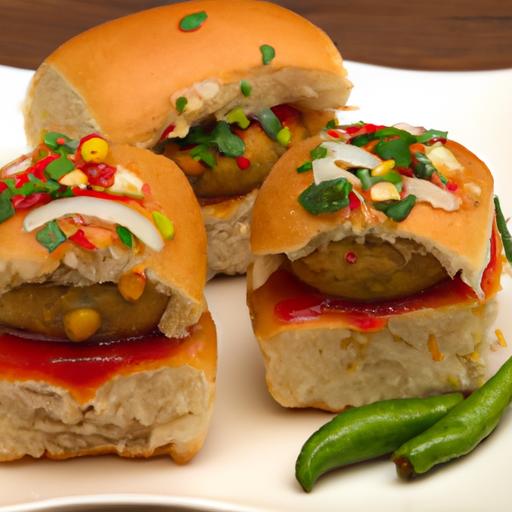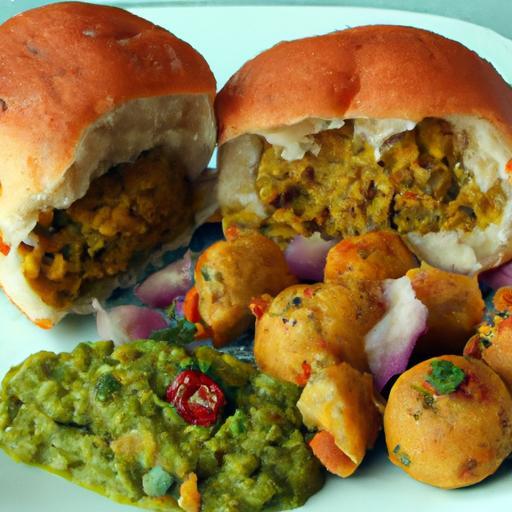

In the bustling streets of India’s culinary landscape, two iconic snacks reign supreme, each carrying the spirit of its region wrapped in a bun: Mumbai’s fiery, crispy Vada Pav and Gujarat’s sweet, tangy Dabeli. These beloved street foods are not just quick bites; they are edible stories-flavorful tales of culture, tradition, and innovation stitched together by local ingredients and generations of love. As we embark on this flavorful showdown, prepare your taste buds for a journey through crunch, spice, and zest, exploring what makes Mumbai Vada Pav and Gujarati Dabeli more than just snacks, but symbols of regional pride and palate-pleasing perfection.
Mumbai Vada Pav vs Gujarati Dabeli: Exploring the Spicy and Sweet Street Food Icons
Mumbai Vada Pav vs Gujarati Dabeli: A Flavorful Showdown invites you on a culinary journey across two distinct yet equally captivating Indian street food marvels. These beloved snacks hold a revered place in regional food culture, offering simple ingredients transformed into unforgettable experiences. Rooted in Mumbai’s bustling streets, the vada pav dazzles with its spicy, fried potato patty nestled in a soft bun. Meanwhile, Gujarat’s dabeli charms with a fusion of sweet, tangy, and nutty notes wrapped warmly in bread. Unlock what makes these iconic bites uniquely delicious and easy to recreate at home.
Prep and Cook Time
- Preparation: 25 minutes
- Cooking: 35 minutes
- Total Time: 1 hour
Yield
- Serves 4 – 6 people (8-12 vada pav or dabelis)
Difficulty Level
- Medium – Requires basic frying and mixing techniques
Ingredients
- For Mumbai Vada Pav:
- 4 large potatoes, boiled and coarsely mashed
- 2 tbsp mustard oil
- 1 tsp mustard seeds
- 1 tsp turmeric powder
- 2 green chilies, finely chopped
- 1 tsp ginger-garlic paste
- 1/4 cup fresh coriander, chopped
- 1 1/2 cups gram flour (besan), sifted
- 1/2 tsp red chili powder
- 1/4 tsp baking soda
- Salt, to taste
- Oil, for deep frying
- 6 pav buns (soft bread rolls)
- Tamarind and green chutneys, for spreading
- For Gujarati Dabeli:
- 4 medium potatoes, boiled and mashed
- 2 tbsp dabeli masala powder (available in Indian stores)
- 1/2 cup pomegranate seeds
- 1/4 cup roasted peanuts, coarsely crushed
- 1/4 cup sev (crispy chickpea flour noodles)
- 1 tbsp jaggery or brown sugar
- 2 tbsp tamarind chutney
- 1/4 cup fresh coriander, chopped
- 6 pav buns or soft burger buns
- Butter or ghee, for toasting
Instructions
- Prepare the Vada Filling: Heat mustard oil in a pan over medium heat. Add mustard seeds and wait until they start to splutter. Add green chilies and ginger-garlic paste, sautéing until fragrant (about 1-2 minutes). Incorporate turmeric, mashed potatoes, salt, and chopped coriander. Cook for 3-4 minutes, stirring frequently. Set aside to cool.
- Make the Batter: In a mixing bowl, combine gram flour, red chili powder, baking soda, and salt. Gradually add water to form a smooth, thick batter – consistency similar to pancake batter works best.
- Shape and Fry Vadas: Shape the potato mixture into golf-ball-sized patties. Dip each patty into the batter, ensuring full coverage. Heat oil in a deep pan, fry the batter-coated patties on medium heat until golden and crisp (about 5 minutes). Drain on paper towels.
- Assemble Vada Pav: Slice pav buns horizontally but keep one edge intact for easy handling. Spread green chutney and tamarind chutney inside each bun. Place the hot vada centrally. Optionally, apply a dash of dry garlic chutney for extra flavor. Serve immediately.
- Prepare the Dabeli Mixture: Mix mashed potatoes with dabeli masala powder, jaggery, and salt. Adjust spice and sweetness to taste. Blend in fresh coriander.
- Assemble Dabeli: Slit the pav buns horizontally. Heat butter or ghee on a griddle; lightly toast the buns until golden. Spread tamarind chutney inside the buns. Add a generous spoonful of the dabeli potato mixture. Garnish with pomegranate seeds, crushed peanuts, and sev for a delightful crunch.
- Serve Dabeli Hot: Press the bun gently to compact the filling. These sweet, spicy, and tangy sandwiches are best enjoyed fresh.
Tips for Success
- For crispiest vada: Maintain oil temperature between 350-375°F (175-190°C). Overheating burns the batter, while cool oil makes vadas soggy.
- Dabeli masala substitute: Use a mix of chaat masala, cumin powder, red chili powder, and a hint of cinnamon if unavailable.
- Make-ahead: Prepare potato fillings a few hours prior; store refrigerated. Fry the vadas just before serving for peak freshness.
- Gluten-free option: Use gluten-free buns or substitute pav with lettuce wraps for a light twist.
- Enhance flavor: Add finely chopped raw onions or fresh mint chutney as per preference.
Serving Suggestions
Both Mumbai Vada Pav and Gujarati Dabeli are street food gems best enjoyed fresh and warm. Serve the vada pav with an assortment of chutneys-spicy green coriander mint chutney, tangy tamarind chutney, and dry garlic chutney-for a multi-layered taste burst. Pair with crisp fried green chilies or a glass of salted buttermilk to offset the heat.
In contrast, dabeli shines with garnishes like pomegranate seeds and crunchy peanuts, which create an intriguing texture contrast. Serve on a vibrant banana leaf or rustic wooden platter to elevate the visual appeal, with a side of chilled sweet lassi or masala chai to balance flavors.
| Dish | Calories | Protein | Carbs | Fat |
|---|---|---|---|---|
| Mumbai Vada Pav (per serving) | 350 kcal | 8g | 50g | 12g |
| Gujarati Dabeli (per serving) | 380 kcal | 7g | 55g | 13g |
Explore More Mumbai Street Food Favorites for your next kitchen adventure.
For an authentic dive into dabeli masala and its origins, visit MasterClass: Dabeli Recipe Exploration.

Q&A
Q&A: Mumbai Vada Pav vs Gujarati Dabeli – A Flavorful Showdown
Q1: What makes Mumbai Vada Pav so iconic in Indian street food culture?
A1: Mumbai Vada Pav is often hailed as the “Indian burger.” At its core, it’s a spicy, crispy potato fritter (vada) sandwiched in a soft bun (pav), served with tangy and fiery chutneys. What makes it iconic is its simplicity combined with explosive flavors-a perfect harmony that fuels Mumbai’s bustling streets and busy lives. Its humble origin as an affordable snack for mill workers has skyrocketed it to legendary street food status.
Q2: How does Gujarati Dabeli differ from Mumbai Vada Pav in ingredients and taste?
A2: While both are stuffed buns, Dabeli is a sweeter, drier cousin with a more complex flavor profile. Originating from Gujarat, the Dabeli stuffing is a spicy-sweet mixture of mashed potatoes blended with tamarind and date chutneys, topped with pomegranate seeds, roasted peanuts, and sev (crunchy chickpea flour noodles). Unlike Vada Pav’s deep-fried vada, Dabeli’s filling is not fried separately, creating a sweeter, tangier, and crunchier experience.
Q3: Which street snack is spicier-Vada Pav or Dabeli?
A3: Mumbai Vada Pav generally takes the heat crown. It’s often served with green chutney made from chilies and garlic and a dry garlic chutney powder, giving a fiery punch. Dabeli, on the other hand, balances sweetness and mild spice but is rarely as aggressively spicy-making it more approachable for those who prefer mild heat with bursts of sweetness.
Q4: How do the textures of Mumbai Vada Pav and Gujarati Dabeli compare?
A4: Texturally, Vada Pav boasts a delightful contrast between the crunchy, crisp exterior of the fried potato vada and the soft, pillowy pav. Dabeli is more layered-soft pav embracing a moist, spiced potato mixture combined with crunchy peanuts, sev, and pomegranate arils. The latter’s interplay of soft, crispy, and juicy bits provides a multi-sensory eating experience.
Q5: Can these two street foods be fused or served together?
A5: Absolutely! Fusion food pioneers often experiment by creating “Dabeli Vada Pav” which combines the fried potato vada with Dabeli-style chutneys and toppings. This hybrid happily marries Vada Pav’s crunch and spice with Dabeli’s tang and sweetness, showcasing the best of both worlds. Served side by side, these iconic snacks highlight India’s rich regional diversity in one flavorful platter.
Q6: How do Mumbai Vada Pav and Gujarati Dabeli reflect their cultural roots?
A6: Vada Pav epitomizes Mumbai’s energetic, fast-paced life-a quick, robust snack that sustains millions on the go. It echoes the city’s working-class grit and its love for bold flavors. Dabeli, with its sweet-savory and varied textures, reflects Gujarat’s penchant for balanced taste and culinary fusion influenced by local Gujarati sweetness and street food versatility. Both dishes are edible stories showcasing regional identity, history, and palate preferences.
Q7: For a first-timer, which should they try first-Mumbai Vada Pav or Gujarati Dabeli?
A7: If you crave a spicy, hearty indulgence, start with Mumbai Vada Pav-it’s the ultimate street food classic bursting with flavor punch. If you prefer a milder, sweeter introduction to Indian snacks that combines crunch and zest, Gujarati Dabeli is the perfect gateway. Ultimately, trying both is the true jackpot for a flavor adventurer!
This flavorful showdown brings two legendary snacks from India’s west coast into the spotlight-each offering a distinct taste journey. Whether you choose Vada Pav or Dabeli, your palate is in for a treat steeped in culture, history, and culinary brilliance.
Closing Remarks
As the aroma of spices lingers and the crunch of freshly fried snacks echoes in the bustling streets, the flavorful showdown between Mumbai Vada Pav and Gujarati Dabeli reminds us that Indian street food is more than just a meal-it’s a vibrant celebration of culture, history, and community. Whether you lean towards the fiery, garlic-infused punch of the Vada Pav or the sweet-savory charm of the Dabeli, both these culinary icons invite your taste buds on a journey through their unique stories and rich heritage. So next time hunger strikes, why choose? Embrace the best of both worlds, and savor the flavorful symphony that is Mumbai Vada Pav and Gujarati Dabeli. After all, in the grand theater of street food, every bite is a winner.