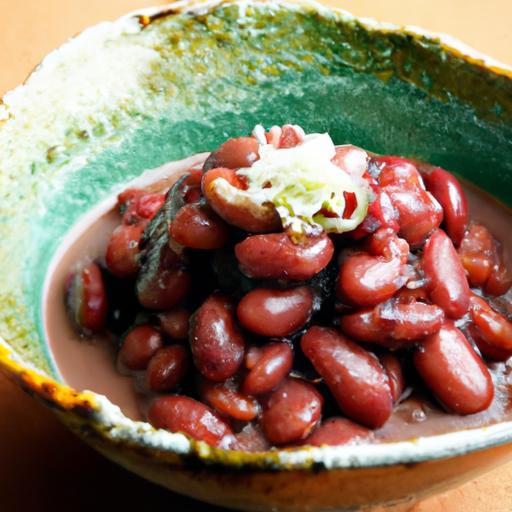

In the heart of Korean cuisine lies a velvety treasure that has sweetened countless moments and celebrations: Anko, the beloved red bean paste. More than just a simple filling, this rich, subtly sweet concoction carries a heritage steeped in tradition and comfort. “Unlock Sweet Traditions: Korean Anko Red Bean Paste Recipe” invites you on a flavorful journey to discover the art and story behind this timeless ingredient. Whether you’re a curious foodie or a passionate home cook, mastering this recipe opens the door to crafting authentic Korean treats that warm the soul and honor generations past. Get ready to stir, savor, and share a taste of Korea’s sweetest legacy.
Unlock Sweet Traditions: Korean Anko Red Bean Paste Recipe invites you on a flavorful journey to the heart of Korean culinary heritage. Anko, a luscious red bean paste, has been a cherished element in Korean desserts for centuries. Known as pat (팥) in Korean, the humble red bean embodies both tradition and nourishment, tracing back to dynastic kitchens where sweetness was a luxury and texture, an art. Crafting silky smooth anko at home elevates your understanding of this classic ingredient, revealing a balance of earthy depth and delicate sweetness that’s quintessential to authentic Korean sweets.
Prep and Cook Time
- Preparation: 20 minutes
- Cooking: 1 hour 15 minutes
- Total: 1 hour 35 minutes
Yield
Approximately 2 cups of anko paste, enough to fill 6-8 traditional Korean rice cakes or be used in assorted desserts.
Difficulty Level
Medium – requires patience and attention for perfect texture.
Ingredients
- 1 cup dried Korean red beans (pat), rinsed and soaked overnight for tenderness
- 3 cups water for boiling
- 3/4 cup granulated sugar, adjust to taste for sweetness
- 1/4 teaspoon fine sea salt to enhance natural flavors
- 1 tablespoon vegetable oil (optional, for a glossy finish)
Instructions
- Drain and rinse the soaked red beans. Place them in a large pot with 3 cups of fresh water. Bring to a vigorous boil, then reduce to a gentle simmer to cook for 45 minutes or until the beans are very soft. Add water in small increments if it evaporates.
- Once tender, drain the beans, reserving some cooking liquid. Using a food mill or fine mesh sieve, press the beans to remove skins and achieve a smooth texture, discarding leftover skins or setting aside for textured anko styles.
- Return the sieved bean pulp to the pot. Add sugar and sea salt. Cook over low heat, stirring constantly to prevent sticking, allowing the paste to thicken for about 15-20 minutes. If too thick, add reserved cooking liquid by tablespoons.
- (Optional) Stir in vegetable oil for richness and shine. Remove from heat before the paste becomes dry; the residual heat will finish the consistency.
- Transfer to a clean container. Cool completely at room temperature, then refrigerate. The anko will thicken further and develop deeper flavor overnight.
Tips for Success
- Selecting the Perfect Beans: Korean red beans (pat) are preferred for their balance of sweetness and a slightly earthy undertone. Avoid pre-cooked canned beans to control texture and flavor truly.
- Texture Variations: For chunky anko, mash the beans lightly instead of sieving. For ultra-smooth, double sieve the paste before cooking.
- Sweetness Control: Adjust sugar gradually. Authentic anko leans mildly sweet to complement rather than overpower other ingredients.
- Make-Ahead Tips: Anko keeps well refrigerated for up to one week or freezes beautifully for up to 3 months. Thaw overnight in the fridge.
Creative Ways to Enjoy Anko Beyond Traditional Desserts
Anko’s versatility extends far beyond patbingsu or tteok. Spread a spoonful inside fluffy pancakes or crispy waffles for a delightful Korean twist on breakfast. Swirl the paste through creamy yogurts or ice cream to add a nuanced sweetness and vibrant color. For savory balance, pair it with toasted nuts or sprinkle a hint of coarse sea salt on top. Anko even shines in fusion dishes-think anko-filled croissants or mochi doughnuts that become conversation starters at any gathering.
| Nutrient | Per 100g Serving |
|---|---|
| Calories | 195 kcal |
| Protein | 7.6 g |
| Carbohydrates | 38 g |
| Fat | 0.5 g |
For further exploration of Korean ingredients and to deepen your culinary repertoire, check out our Korean Cooking Basics. Expand your knowledge with this authoritative resource on red beans USDA Food Composition Database.

Q&A
Q&A: Unlock Sweet Traditions with Korean Anko Red Bean Paste Recipe
Q1: What is Anko, and why is it important in Korean cuisine?
A: Anko is a sweet red bean paste traditionally made from azuki beans. While commonly associated with Japanese sweets, a similar red bean paste holds a cherished place in Korean desserts such as patbingsu and bungeoppang. It’s a classic ingredient that unlocks centuries-old sweet traditions, harmonizing natural sweetness with the hearty flavor of red beans.
Q2: What makes Korean Anko different from other red bean pastes?
A: Korean Anko tends to have a softer texture, sometimes slightly chunky, preserving the beans’ natural body. Unlike the very smooth Japanese paste, Korean versions often strike a balance between creamy and textured, enhancing dishes with a rustic yet refined sweetness.
Q3: What are the key ingredients in making authentic Korean Anko?
A: The core ingredients include azuki beans, sugar, and a pinch of salt. Some recipes call for a touch of honey or rice syrup to deepen the flavor and add gloss. It’s all about simplicity, allowing the natural taste of azuki beans to shine through without overpowering additives.
Q4: How do I prepare Korean Anko at home?
A: Start by soaking the azuki beans overnight for tenderness. Boil them until soft, then mash or pulse the beans depending on your preferred texture. Sweeten with sugar and a pinch of salt, then simmer slowly until thickened. Let it cool, and your homemade Anko is ready to elevate everything from tteok (rice cakes) to pancakes and ice cream.
Q5: What Korean sweets can I enjoy with homemade Anko?
A: Anko fans will delight in classics like patbingsu (shaved ice dessert), hotteok (sweet pancakes stuffed with red bean paste), and chapssaltteok (glutinous rice cakes). You can also experiment by spreading it on toast, filling steamed buns, or swirling it into yogurt for a creative twist.
Q6: Can Anko be stored for later use?
A: Absolutely. Homemade Anko keeps well refrigerated in an airtight container for up to a week. For longer storage, freezing is a great option-just thaw it overnight in the fridge before use. This way, you can always have a taste of Korea’s sweet traditions at your fingertips.
Q7: Why should I try making Korean Anko instead of buying pre-made paste?
A: Making Anko at home lets you control sweetness and texture, ensuring an authentic, fresh flavor. Plus, the process connects you to Korean culinary heritage in a tactile, rewarding way-a sweet tradition you craft yourself, bite by bite.
Unlock the heartwarming essence of Korean sweets by mastering the art of Anko red bean paste. It’s more than a recipe-it’s a delicious journey through culture and history!
To Wrap It Up
As you wrap up your journey into the world of Korean Anko red bean paste, you’ve not only uncovered a recipe but also rekindled a timeless tradition steeped in flavor and cultural heritage. This humble paste, with its rich, sweet depth, bridges generations and brings a touch of Korea’s culinary soul right to your table. Whether folded into delicate pastries or dolloped onto warm rice cakes, Anko invites you to savor each bite as a celebration of history and heart. So go ahead-unlock these sweet traditions in your own kitchen, and let every spoonful tell a story worth sharing.