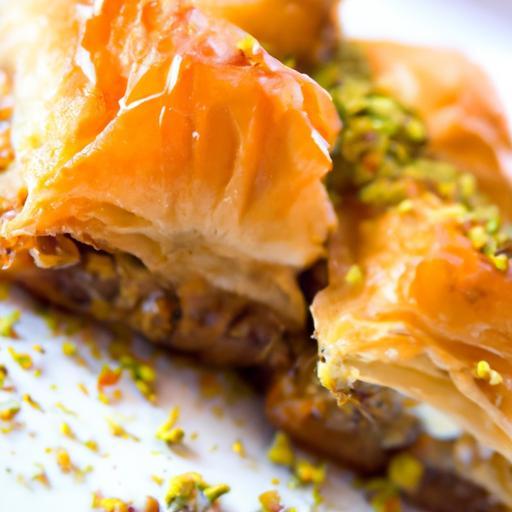

In the world of desserts, few treats weave stories as rich and intricate as baklava. Each flaky layer, soaked in sweet syrup and sprinkled with fragrant nuts, is a testament to centuries of culinary artistry and cultural exchange. But baklava is far from a one-note pastry; it unfolds in countless variations, each with its own unique twist on tradition. From the honey-kissed delights of the Mediterranean to the spice-laden treasures of the Middle East, unlocking the layers of baklava reveals a fascinating tapestry of flavors, techniques, and histories. Join us as we embark on a mouthwatering journey to explore the many faces of this beloved confection-where every bite tells a different story.
Unlocking Layers of baklava’s flaky perfection reveals a treasure trove of culinary traditions, secrets, and delightful contrasts. This iconic pastry, beloved across the Mediterranean and Middle Eastern regions, is a mosaic of crisp, buttery phyllo sheets enrobed in fragrant nuts and kissed with honey or syrup. Each bite offers a symphony of textures that only a careful hand and a deep understanding of regional nuances can bring to life. Whether whispering the hints of rosewater from Turkish kitchens or savoring the richness of clove and cinnamon in Lebanese versions, mastering the art of baklava is a journey into culture, ingredient mastery, and baking technique that transforms humble ingredients into edible gold.
Prep and Cook Time
- Preparation: 45 minutes
- Baking: 45 minutes
- Cooling & Syrup Soaking: 2 hours
Yield
- Servings: 12 generous pieces
Difficulty Level
- Intermediate: Handling delicate phyllo dough and layering requires patience
Ingredients
- 500g phyllo dough sheets, thawed and kept covered with a damp cloth
- 250g unsalted butter, melted (reserved for brushing layers)
- 2 cups mixed nuts (walnuts, pistachios, almonds), finely chopped
- 1 tsp ground cinnamon
- 1/4 tsp ground cloves (optional, adds warmth)
- 1 cup granulated sugar
- 1 cup water
- 1/2 cup honey (preferably wildflower)
- 1 tbsp lemon juice (to balance syrup sweetness)
- 1 tbsp rosewater or orange blossom water (regional variation)
Instructions
- Preheat your oven to 350°F (175°C). Butter a 9×13 inch baking dish generously for even crisping and ease of slicing.
- Prepare the nut filling: In a bowl, combine finely chopped nuts, cinnamon, and ground cloves. Stir well to distribute spices evenly through the nuts.
- Layer the phyllo: Place one sheet of phyllo in the dish and brush lightly with melted butter. Repeat layering and buttering for 8 sheets to create a sturdy bottom crust.
- Spread a thin layer of nut mixture over the phyllo. Continue layering-5 phyllo sheets brushed with butter, more nuts, then repeat until nuts are used up. Top with a final layer of 8-10 phyllo sheets, each brushed with butter.
- Score the baklava carefully into diamonds or squares with a sharp knife before baking. This makes slicing after baking easier.
- Bake uncovered for 40-45 minutes, or until the top layers turn a deep golden brown and feel crisp to touch.
- Make the syrup: While baking, combine sugar, water, honey, and lemon juice in a saucepan. Bring to a boil, reduce heat and simmer for 10 minutes. Remove from heat and stir in rosewater or orange blossom water.
- Immediately pour the cooled syrup evenly over the hot baklava once it comes out of the oven. This step infuses the layers for that signature moist yet flaky texture.
- Allow the baklava to cool completely-ideally 2-3 hours at room temperature-to let syrup fully soak and flavors meld.
- Serve at room temperature, garnished with a sprinkle of finely chopped pistachios or a light dusting of cinnamon for extra allure.
Tips for Success
- Handling phyllo: Keep sheets covered with a damp kitchen towel to prevent drying and cracking as you work.
- Nut variety: Experiment with pistachio-heavy blends for a more vibrant hue and nuttier aroma.
- Syrup temperature: Pour syrup cold onto hot baklava for perfect absorption; reverse heat will yield soggy texture.
- Make-ahead: Baklava improves over 24 hours stored in an airtight container at room temperature, allowing layers to meld beautifully.
- Regional twists: Add pomegranate molasses for a tangy syrup or swap ground cloves for cardamom for a fragrant lift.
Serving Suggestions
Present baklava on a decorative platter lined with parchment paper or a doily. Garnishing with a scattering of crushed, vibrant pistachios adds both a visual pop and textural contrast. Pair each piece with a small cup of robust Turkish coffee or a fragrant glass of mint tea. For a more indulgent experience, a scoop of lightly sweetened clotted cream or mascarpone complements the intensely sweet and nutty pastry layers superbly. Serve at room temperature to fully showcase baklava’s crisp, flaky texture balanced with syrupy sweetness.
| Nutrient | Per Serving |
|---|---|
| Calories | 320 |
| Protein | 5g |
| Carbohydrates | 35g |
| Fat | 18g |

For more intricate dessert innovations, check out our Mediterranean dessert recipes. To deepen your understanding of the history and cultural significance of baklava, visit the insightful Encyclopaedia Britannica entry on Baklava.
Q&A
Q&A: Unlocking Layers – Exploring the Unique Types of Baklava
Q1: What makes baklava such a beloved dessert around the world?
A1: Baklava’s magic lies in its delicate balance of crisp, flaky layers, buttery textures, and the honeyed sweetness that ties it all together. Each bite offers a symphony of crunch and syrupy warmth, evoking centuries of culinary tradition and celebration across diverse cultures.
Q2: Are all baklavas made the same way, or do different types exist?
A2: Far from uniform, baklava boasts a delightful spectrum of regional and stylistic variations. From the coarsely chopped nuts of Turkish baklava to the finely ground pistachios of the Levant, each variation unlocks a unique textural and flavor experience, reflecting local ingredients and heritage.
Q3: What are some of the most distinctive baklava varieties to explore?
A3: Classics such as the rich, syrup-soaked Turkish baklava with layers of crispy phyllo and pistachios, contrast beautifully with the Lebanese version, which often incorporates fragrant rose or orange blossom water. Greek baklava tends to be denser, sometimes featuring walnuts and a cinnamon-infused syrup, while Balkan versions may include almonds or even walnuts wrapped in thick dough layers.
Q4: How do the fillings and syrups vary among different baklava types?
A4: The fillings range from pistachios, walnuts, almonds, to even hazelnuts, often chosen based on local harvests and tradition. Syrups are equally diverse – some recipes call for a simple honey and sugar blend, while others add spices like cinnamon, cloves, or citrus zest. Floral waters like rose and orange blossom give certain baklavas a fragrant, ethereal note that elevates the sweet experience.
Q5: What role do the layers themselves play in defining baklava’s character?
A5: Each layer is a delicate sheet of phyllo dough masterfully brushed with clarified butter or oil, baked until golden and crisp. The number, thickness, and technique in layering influence the final texture-some styles favor thin, numerous sheets for a light, crisp snap, while others prefer thicker layers for a heartier bite. The layering both insulates the nut filling and allows the syrup to soak in gradually, melding the elements harmoniously.
Q6: Can baklava be adapted to modern tastes or dietary preferences?
A6: Absolutely! Contemporary baklava takes creative liberties, incorporating gluten-free phyllo alternatives, vegan butter substitutes, or novel nut combinations. Some baklava recipes dial down the sweetness or add spices like cardamom and ginger to cater to evolving palates, proving that this ancient dessert is as versatile as it is timeless.
Q7: What’s the secret to truly unlocking the layered beauty of baklava at home?
A7: Patience and precision. Mastering baklava requires gentle handling of phyllo sheets to prevent tears, meticulous brushing with butter for maximum flakiness, and controlled baking to achieve the golden perfection. The final, crucial step is soaking the warm pastry with syrup, allowing it to seep into every layer-transforming ordinary ingredients into a transcendent treat.
Q8: Why should dessert lovers embark on a journey to explore the many layers of baklava?
A8: Because each type of baklava is a delicious story waiting to be tasted-one that connects history, culture, and craft in every flaky bite. Delving into its varieties is not just a culinary adventure; it’s an unlocking of traditions and flavors cherished across continents, reminding us that even the simplest layers hold rich depths to discover.
To Wrap It Up
As we peel back the delicate, golden layers of baklava, we uncover not just a dessert, but a rich tapestry of history, culture, and craftsmanship. Each type offers a unique story folded within its flaky embrace-a sweet symphony of textures and flavors shaped by time and tradition. Whether drizzled with fragrant honey, spiced with aromatic nuts, or kissed by rosewater’s gentle touch, baklava invites us on a delicious journey through the diverse culinary landscapes of the world. So next time you savor a piece, remember: beneath those luscious layers lies a timeless celebration of artistry waiting to be discovered again and again.