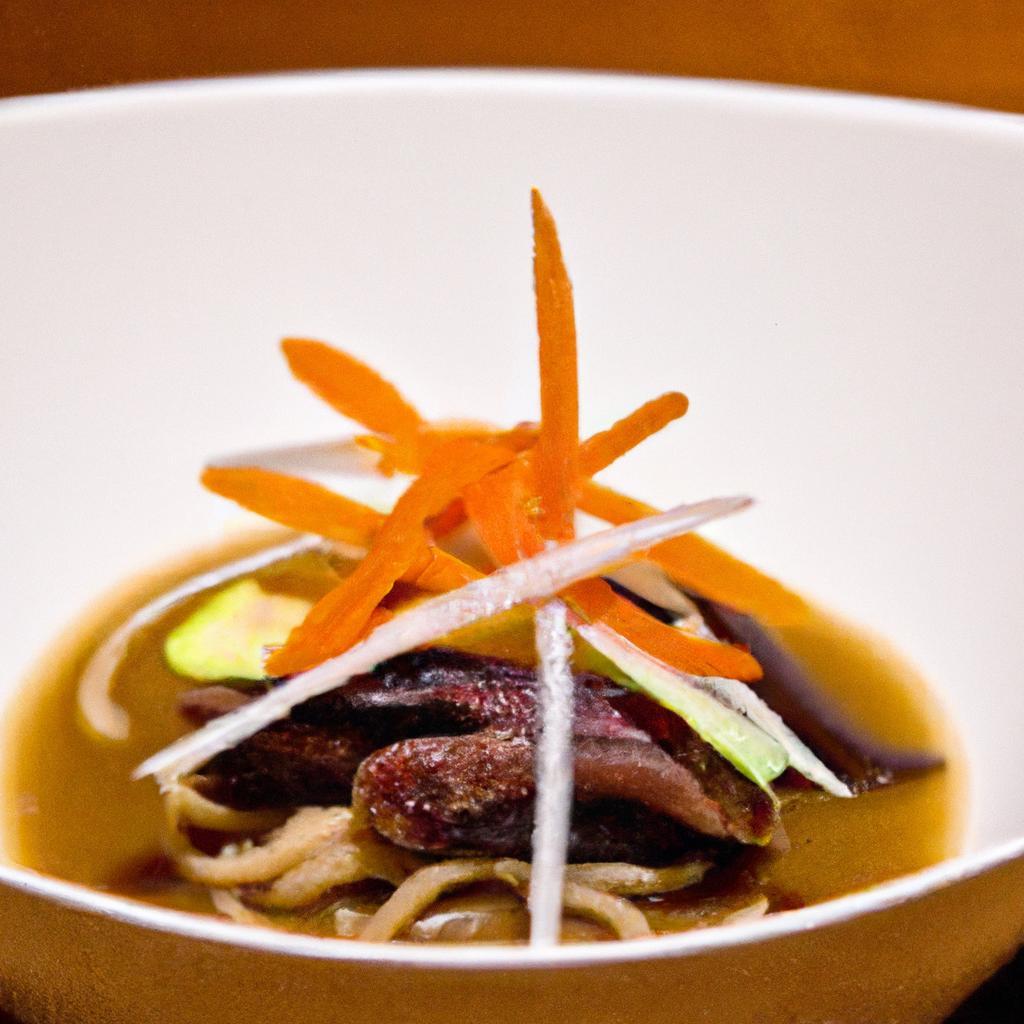

In the world of flavors, there is one elusive taste that captivates the palate like no other-umami, the savory fifth taste that lingers and deepens every bite. At the heart of this sensory magic lies dashi, the humble Japanese stock that quietly transforms ordinary ingredients into extraordinary dishes. Unlocking umami through dashi is not just a culinary technique; it’s an art form passed down through generations, a secret that invites home cooks and chefs alike to explore the nuanced depths of taste. Join us as we delve into the origins, ingredients, and the subtle alchemy behind dashi, unveiling how this simple broth holds the key to unlocking umami’s timeless allure.
Unlocking Umami: The Secret Behind Dashi Japanese Stock
Unlocking umami in your kitchen begins with mastering dashi Japanese stock, a cornerstone of authentic Japanese cuisine. This fundamental broth introduces a sublime depth of flavor that’s both delicate and profoundly savory, emphasizing the unique taste sensation that Japanese chefs have perfected over centuries. Through dashi, dishes come alive with subtlety and harmony, elevating everyday meals to unforgettable experiences.
Prep and Cook Time
- Preparation: 10 minutes
- Cooking: 20 minutes
- Total: 30 minutes
Yield
Approximately 4 cups (1 liter) of dashi stock
Difficulty Level
Easy – perfect for home cooks eager to explore Japanese flavors
Ingredients
- 1 piece kombu (dried kelp), approx. 10cm x 10cm
- 2 cups (500ml) cold water
- 1 cup (15g) katsuobushi (bonito flakes)
Step by Step Guide to Crafting Perfect Dashi at Home
- Prepare the Kombu: Gently wipe the kombu with a damp cloth to remove any surface impurities but do not wash away its white powdery coating, as this contains umami-rich glutamates.
- Soak the Kombu: Place kombu in the cold water and let it soak for at least 30 minutes (or up to overnight in the fridge) to allow flavors to begin infusing; this step unlocks subtle sweetness and umami depth.
- Heat the Water: Slowly bring the kombu water to a gentle simmer over medium-low heat. Just before boiling (around 60-80°C/140-175°F), remove the kombu to avoid bitterness.
- Add Katsuobushi: Immediately add the bonito flakes to the hot water and let them steep for 2-3 minutes. You’ll see the flakes gradually sink as their smoky, savory essence infuses the stock.
- Strain the Dashi: Use a fine mesh sieve or cheesecloth to strain out the bonito flakes, gently pressing to extract maximum flavor without clouding the broth.
- Cool and Store: Your dashi is now ready to use or store. Keep refrigerated for up to 2 days or freeze in small batches for convenient umami boosts anytime.
Tips for Enhancing Everyday Meals with Dashi’s Rich Flavor
- Substitute dried shiitake mushrooms for kombu or combine both to create a nuanced dashi variation with earthy aromas.
- Add a splash of soy sauce or mirin to your dashi for an additional layer of sweetness and depth tailored to soups or noodle broths.
- Use dashi as a base for miso soup, nimono (simmered dishes), or chawanmushi (savory egg custard) to impart traditional umami complexity.
- Store dashi in ice cube trays to conveniently melt into stir-fries or steamed vegetables, instantly elevating their flavor.
- Don’t overboil kombu-removing it before the water boils prevents bitterness and maintains a clear, golden broth.
Chef’s Notes
- For a vegetarian/vegan dashi: Skip katsuobushi and pair kombu with dried shiitake mushrooms; soak kombu and mushrooms together to maximize umami compounds.
- Purchasing tips: High-quality kombu and katsuobushi sourced from specialty Japanese markets significantly improve stock richness.
- Make-ahead: Prepare dashi in large batches and refrigerate for up to 48 hours; homemade dashi freezes well and retains flavor on thawing.
- Clarity: Strain gently without pressing too hard to keep dashi clear for visually appealing soups and broths.
- Flavor boosting: For an umami kick, incorporate a small piece of dried anchovy or a pinch of dried seaweed flakes into your dashi during soaking and remove before use.
Serving Suggestions
Dashi’s versatility shines in numerous Japanese dishes. Use it as a warming foundation for miso soup garnished with scallions and tofu cubes, or as a delicate broth for clear soups with seasonal vegetables and seafood. Enhance soba or udon noodles with dashi, complemented by a soft-boiled egg and toasted nori strips. Finish with a light drizzle of toasted sesame oil and a sprinkle of shichimi togarashi for texture and spice.

| Nutrient | Per 100ml |
|---|---|
| Calories | 5 kcal |
| Protein | 1.1 g |
| Carbohydrates | 0.6 g |
| Fat | 0.1 g |
For more inspiration on Japanese cooking, explore our Japanese Soups Guide to complement your knowledge of dashi-based broths. To deepen your understanding of umami chemistry, visit this ScienceDaily article on umami compounds.
Q&A
Q&A: Unlocking Umami – The Secret Behind Dashi Japanese Stock
Q1: What exactly is dashi, and why is it considered essential in Japanese cuisine?
A: Dashi is a simple yet profoundly flavorful Japanese stock that forms the backbone of countless dishes, from miso soup to noodle broths. It’s revered for its ability to unlock umami-the so-called “fifth taste” that evokes mouthwatering savoriness. Unlike heavy stocks, dashi is light, clear, and brimming with subtle depth, making it the secret ingredient behind Japan’s culinary finesse.
Q2: What ingredients make dashi so special?
A: The classic dashi duo is kombu (kelp) and katsuobushi (dried bonito flakes). Kombu is rich in glutamates, while katsuobushi provides inosinate-both compounds amplify umami exponentially. Sometimes, dried shiitake mushrooms are also added, delivering an earthy richness that deepens flavors. This magical combination creates a symphony of taste that’s greater than the sum of its parts.
Q3: How does umami differ from the other basic tastes?
A: Umami is often described as a savory, brothy, or meaty taste that lingers pleasantly on the palate. Unlike sweet, salty, sour, or bitter, umami activates specific receptors sensitive to glutamates and nucleotides. It enhances and rounds out flavors, imparting complexity and satisfaction-essentially making food taste more “complete” and comforting.
Q4: Can you make dashi at home, or is it something only found in restaurants?
A: Absolutely! Making dashi at home is surprisingly easy and rewarding. All you need is dried kombu and katsuobushi (both available at Asian markets) and a few minutes. Simply steep the kombu in water, gently heat it, remove before boiling, then add katsuobushi and strain. The result is a clean, aromatic broth that transforms everyday dishes into umami wonders.
Q5: Are there variations of dashi for different uses?
A: Yes! While the classic kombu-katsuobushi dashi is most common, variations abound. For vegetarian or vegan cooking, kombu and shiitake-based dashi provide rich umami without fish. There’s also niboshi dashi, made from dried baby sardines, which packs a stronger, more pronounced flavor perfect for heartier soups. Each variation offers a unique umami profile tailored to different culinary needs.
Q6: Why does understanding dashi matter beyond Japanese cuisine?
A: Grasping the science and art of dashi opens doors to crafting dishes layered with flavor-no matter your cultural kitchen. The principles of umami extraction and balance resonate globally, inspiring chefs and home cooks alike to cook smarter, not harder. Unlocking dashi means unlocking a new world of taste, where simplicity and depth dance together on your tongue.
Q7: Can dashi be used in non-Japanese dishes?
A: Definitely! Dashi’s subtle umami boost elevates everything from risottos and stews to sauces and dressings. Its ability to enhance without overpowering means it integrates seamlessly across cuisines, lending a nuanced savoriness that enriches both traditional and experimental dishes. Think of dashi as the whisper behind your culinary masterpiece’s boldest statements.
Unlocking the secret of dashi is like discovering a master key to flavor-simple, elegant, and endlessly versatile. By embracing this cornerstone of Japanese stock, anyone can transform humble ingredients into unforgettable meals filled with the magic of umami.
To Wrap It Up
As we unravel the layers of flavor hidden within dashi, it becomes clear that this humble Japanese stock is much more than a simple broth-it is the very essence of umami itself. Unlocking its secrets reveals not only a cornerstone of Japanese cuisine but also a doorway to a world of rich, savory depth that can transform everyday dishes into extraordinary experiences. Whether you’re a seasoned chef or a curious home cook, embracing dashi invites you to savor the subtle magic of umami and elevate your culinary creations to new, delicious heights. So, next time you stir a pot or craft a broth, remember: the secret to authentic flavor lies in the delicate art of dashi.