
In the vibrant world of Japanese cuisine, few ingredients pack as much umami-packed punch as bonito flakes and kombu. These humble pantry staples are the secret behind the rich broths and savory dishes that have captivated taste buds across the globe. But if you’re new to this flavorful realm, finding authentic bonito flakes and kombu close to home can feel like a culinary treasure hunt. Fear not-this guide is here to map your journey, uncovering the best spots to source these essential ingredients near you. Whether you’re a seasoned chef or a curious foodie, get ready to dive into the savory depths of umami and transform your cooking with the magic of bonito flakes and kombu.
- Where to Source Authentic Bonito Flakes for Every Budget
- Unlocking the Best Kombu Varieties in Local and Online Markets
- Expert Tips for Selecting High-Quality Bonito Flakes and Kombu
- Creative Ways to Incorporate Bonito Flakes and Kombu into Your Cooking
- Bonito Flakes & Kombu Recipe: Classic Dashi Broth
- Q&A
- Future Outlook
Where to Source Authentic Bonito Flakes for Every Budget
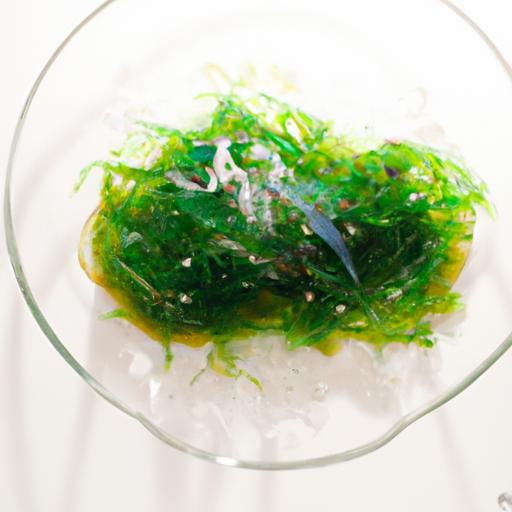
Your Guide to Finding Bonito Flakes & Kombu Near You begins with understanding where to procure these essential umami treasures at all price points. Whether you’re a seasoned home chef or just embarking on your Japanese cooking adventure, sourcing quality bonito flakes and kombu impacts every dish profoundly. These delicate katsuobushi flakes-smoked, dried bonito shavings-and the rich mineral-packed seaweed kombu elevate broths, dressings, and garnishes with deep savory complexity.
For those on a budget, check your local Asian grocery stores. Many stock affordable bonito flakes in vacuum-sealed packs, often imported from Japan or Korea. Popular brands like Yamaki and Marutomo offer excellent value without sacrificing flavor. Kombu varieties here are usually Pacific kelp, which works well for everyday dashi stocks. Keep an eye for sales or bulk options to stretch your culinary dollars.
Mid-range options emerge from dedicated Japanese markets or specialty online retailers such as Japan Centre, where you can find artisanal-grade bonito flakes aged and shaved in traditional methods. These deliver a more complex smokiness and freshness. For kombu, look for grades labeled Rishiri or Ma-kombu, prized for their thickness, clean taste, and superior umami extraction.
At the premium end, explore hand-harvested specialty kombu and hana-katsuo, thin and tender bonito shavings used for delicate garnishes. Some high-end online shops like Mikuni offer curated collections with provenance details that ensure authenticity and craftsmanship-perfect for food artists and professionals aiming for culinary perfection.
Unlocking the Best Kombu Varieties in Local and Online Markets
When selecting kombu, consider the origin and thickness. Hokkaido kombu tends to have a robust flavor, ideal for strong dashi bases, whereas Hidaka kombu offers a milder profile suitable for lighter dishes. For fresh kombu experience, Japanese markets in larger urban areas often carry wet or refrigerated seaweed. When buying online, inspect product descriptions for harvest season and drying process to tailor your purchase to your recipe needs.
For both bonito flakes and kombu, freshness is key. Look for packaging dates and sealed freshness indicators. Vacuum-sealed packs with minimal light exposure protect aroma and flavor for longer. Proper storage involves airtight containers in cool, dry places to preserve the umami punch after opening.
Expert Tips for Selecting High-Quality Bonito Flakes and Kombu
- Appearance: High-grade bonito flakes are semi-translucent, deep rose-colored, and curly, not flat or overly dry.
- Smell: They should carry a naturally smoky, wood-fired aroma-not musty or chemical.
- Kombu thickness: Thicker kombu imparts better umami but requires longer simmering.
- Packaging: Prefer vacuum-sealed or airtight packs for freshness.
- Origin: Japanese kombu is typically superior to cheaper alternatives.
Creative Ways to Incorporate Bonito Flakes and Kombu into Your Cooking
Bonito flakes and kombu are incredibly versatile. Beyond traditional dashi broth, sprinkle bonito flakes over freshly steamed rice or sautéed vegetables for instant umami punch. Use kombu to infuse stocks for soups, stews, and sauces-try combining it with shiitake mushrooms for a vegan dashi alternative.
For a modern twist, incorporate finely ground bonito flakes as a seasoning salt or blend with sesame for homemade furikake. Kombu can be rehydrated, thinly sliced, and added to salads or pickled for texture. The wispy bonito flakes are showstoppers atop okonomiyaki pancakes or tossed into scrambled eggs, giving a delicious smoky finish with a touch of elegance.
Bonito Flakes & Kombu Recipe: Classic Dashi Broth
Experience the heart of Japanese cuisine by making a simple yet exquisite dashi broth using your newly sourced bonito flakes and kombu. This versatile broth forms the base for countless dishes, revealing how integral quality ingredients transform humble cooking into art.
Prep and Cook Time
Prep Time: 5 minutes
Cook Time: 15 minutes
Total Time: 20 minutes
Yield
Approximately 4 cups (serves 4)
Difficulty Level
Easy
Ingredients
- 1 piece kombu (10cm × 10cm), wiped clean with a damp cloth
- 4 cups cold water
- 1 cup bonito flakes, loosely packed
Instructions
- Place the kombu in a medium saucepan and add the cold water. Allow it to soak for at least 30 minutes (or up to overnight in the refrigerator for deeper flavor).
- Slowly heat the water and kombu over medium heat. Just before the water begins to boil (small bubbles form around the edges), remove the kombu carefully to avoid a bitter taste.
- Bring the water to a gentle boil, then turn off the heat. Add the bonito flakes and let them steep for 3-5 minutes until they sink to the bottom.
- Strain the broth through a fine mesh sieve or cheesecloth into a clean container, gently pressing the flakes to extract the flavor without clouding the broth.
- Use the dashi immediately or store cooled in the fridge for up to 3 days.
Chef’s Notes
- To deepen umami, experiment with kombu soaking times and steep your bonito flakes longer, but avoid boiling the flakes to keep the broth clear.
- Reuse the soaked kombu and bonito flakes for a secondary, lighter broth called niban-dashi.
- For a vegan variation, omit bonito flakes and add dried shiitake mushrooms with kombu.
- Store unused dried bonito flakes in an airtight container away from moisture to maintain aroma.
Serving Suggestions
Dashi broth is a beautiful base for miso soup, udon noodle dishes, and simmered vegetables. Garnish finished soups with thinly sliced scallions, a pinch of shichimi togarashi, or a delicate handful of bonito flakes that will dance atop the hot liquid. Kombu can be finely chopped and mixed into rice or tossed into stir-fries for added texture and nutrition.

| Nutrient | Per Serving (1 cup) |
|---|---|
| Calories | 10 |
| Protein | 2 g |
| Carbohydrates | 0 g |
| Fat | 0 g |
For more inspiration, explore our detailed Japanese ingredients guide to expand your culinary repertoire and master the art of Japanese cooking.
Q&A
Q&A: Your Guide to Finding Bonito Flakes & Kombu Near You
Q1: What exactly are bonito flakes and kombu, and why should I care?
A1: Bonito flakes, or katsuobushi, are thin, smoky slices of dried, fermented skipjack tuna-essential umami bombs that bring depth to soups, broths, and even snacks. Kombu is a type of edible kelp, rich in minerals, that forms the backbone of classic Japanese dashi stock. Together, they’re the dynamic duo behind countless Japanese dishes, elevating flavors from “meh” to “magical.”
Q2: Where do I start looking for these elusive ingredients?
A2: Your best bets are Asian grocery stores-think Japanese, Korean, or Chinese markets. These treasure troves often stock bonito flakes and kombu near the dried seafood or soup base aisle. If you want to skip the hunt, specialty online retailers cater to global tastes and can deliver these essentials straight to your door.
Q3: Can I find bonito flakes and kombu in regular supermarkets?
A3: Sometimes! Larger supermarkets with an international section or well-stocked health food stores occasionally carry kombu and bonito flakes, especially if they offer sushi-making kits or Japanese pantry staples. However, don’t be surprised if these gems are missing-they tend to hide in niche shops.
Q4: How can I tell if bonito flakes and kombu are fresh and high quality?
A4: Fresh bonito flakes should be light, airy, and fragrant with a smoky aroma-avoid anything clumpy or dull. Kombu should have a firm texture, a dark greenish-brown hue, and a natural ocean scent. Steer clear of pieces that look dry, powdery, or brittle.
Q5: Are there any tips to make the most of these ingredients once I find them?
A5: Absolutely! Store bonito flakes in an airtight container away from moisture to keep their delicate flavor intact. Kombu should be kept in a cool, dry place and can be reused multiple times to make dashi. Pro tip: soak kombu in water before gently heating to coax out its savory goodness without bitterness.
Q6: What if I want to experiment beyond traditional dashi?
A6: Go wild! Bonito flakes can top salads, popcorn, or grilled veggies for an umami punch, and kombu can be chopped or blended into stocks, stews, or even infused in teas. These ingredients aren’t just for Japanese cuisine-they’re versatile flavor enhancers waiting for your culinary creativity.
Q7: Can I substitute bonito flakes and kombu if I can’t find them?
A7: While nothing replicates their unique umami perfectly, you can approximate with smoked fish flakes or seaweed varieties like wakame for kombu. Mushroom-based broths can also lend savory notes. But if possible, seek out the real deal for authentic depth and character.
Q8: How do I know which kombu or bonito flakes to buy-are all brands the same?
A8: Not quite. Kombu grades vary by region and thickness-Hokkaido kombu is prized for its robust flavor, while Rishiri kombu is subtler. Bonito flakes come in different cuts and fermentation levels; some may lean smokier or saltier. Read labels, ask store staff, and experiment to find your signature flavor profile.
With a little patience and a sense of adventure, finding and using bonito flakes and kombu can transform your cooking into a savory journey. Happy hunting and even happier tasting!
Future Outlook
Whether you’re aiming to perfect a savory dashi, elevate your ramen, or simply experiment with authentic Japanese flavors at home, finding quality bonito flakes and kombu is your first delicious step. With a bit of savvy shopping-whether scouring local Asian markets, exploring specialty grocers, or turning to trusted online sources-you’ll soon have these umami-packed treasures within reach. Remember, the journey to authentic tastes is as rewarding as the flavors themselves. So stock your pantry, unleash your culinary creativity, and let the magic of bonito flakes and kombu transform your dishes into unforgettable experiences. Happy cooking!