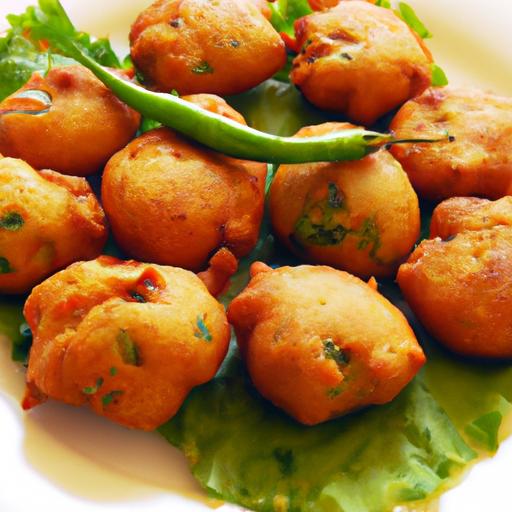
There’s something truly magical about biting into a perfectly crispy medu vada that gives way to a pillowy soft center-an experience that feels like a warm hug from South Indian cuisine. But what happens when that softness turns into unexpected hardness? If your medu vadas are coming out tough or dense inside, you’re not alone. Many home cooks face this puzzling challenge, wondering why their beloved savory doughnuts aren’t as light and fluffy as they hoped. In this article, we’ll unravel the mystery behind hard medu vadas and share essential tips to help you achieve that ideal, melt-in-the-mouth texture every single time. Get ready to transform your vada-making game and impress your taste buds!
- Understanding the Science Behind Hard Medu Vadas
- Common Mistakes That Make Medu Vadas Dense
- Mastering Batter Consistency for Ultimate Softness
- Proven Techniques to Achieve Light and Fluffy Medu Vadas Every Time
- Prep and Cook Time
- Yield
- Difficulty Level
- Ingredients
- Instructions
- Chef’s Notes
- Serving Suggestions
- Q&A
- Wrapping Up
Understanding the Science Behind Hard Medu Vadas
Why are my medu vadas hard inside? Tips for softness begin with understanding the transformational magic happening inside the batter. The secret lies in the type of urad dal used and hydration levels-hydrated dal creates tiny air pockets that expand during frying, making vadas light and fluffy rather than dense. Grinding the dal with just the right amount of water and incorporating proper aeration introduces oxygen, which acts as a natural leavening agent, lending that characteristic spongy texture.
Water quantity, soaking time, and fermentation all influence the batter’s texture. The proteins and starches in urad dal form a delicate matrix that traps air bubbles. If the batter is too thick or not whipped enough, those bubbles collapse during frying, resulting in a compact and heavy interior. Achieving the perfect balance creates a crispy crust while maintaining a pillowy soft center, a hallmark of a flawless medu vada.
Common Mistakes That Make Medu Vadas Dense
To remedy the question, why are my medu vadas hard inside? Tips for softness stress avoiding common pitfalls. Over-soaking the urad dal can over-hydrate the batter, making it too heavy. Conversely, insufficient soaking or drying the dal beneath its ideal moisture level leads to a thick grind and dense vadas. Using excessive flour or rice flour to bind the batter dilutes the urad dal’s natural leavening, rendering the final product dense and doughy.
Another typical error is improper batter aeration. Beating the batter after grinding is crucial-don’t rush this step! Under-whipped batter lacks air bubbles and won’t puff up effectively. Also, frying at an incorrect temperature either traps oil inside or cooks the vadas unevenly. Medium heat ensures a golden brown outer shell complements the cloud-like softness within.
Mastering Batter Consistency for Ultimate Softness
Getting your batter consistency right will transform why are my medu vadas hard inside? Tips for softness into vibrant results. Aim for a batter that’s thick but spoonable, similar to cake batter-too runny and the vadas lose shape; too thick and they become heavy. Use cold water sparingly while grinding, and pulse the urad dal until silky smooth yet fluffy.
After grinding, transfer the batter to a wide bowl and vigorously whip it with your hand or a whisk for 10-15 minutes. This agitation is crucial to inject oxygen, creating a frothy, velvety batter that’s light as air. Cover and let it rest for at least 4-5 hours or overnight; slight fermentation adds depth of flavor and tenderness to the vadas.
Proven Techniques to Achieve Light and Fluffy Medu Vadas Every Time
To secure perfect results answering why are my medu vadas hard inside? Tips for softness prioritize technique just as much as ingredients. Use your thumb dipped in oil or water to shape smooth round vadas by gently patting the batter into thin discs with a hole in the middle. Avoid thick centers-they delay cooking and lead to hardness.
Fry vadas in batches at medium heat-too hot and they brown outside but stay raw inside, too low and they soak excessive oil. Flip gently, cooking evenly until golden and crisp. Drain on paper towels to remove excess oil, then serve immediately for best texture. Practice this method reliably and watch your medu vadas become irresistibly soft, airy, and delicious.
Prep and Cook Time
- Prep Time: 10 minutes (plus 4-5 hours soaking)
- Grinding & Whipping: 20 minutes
- Rest and Fermentation: 4-6 hours (or overnight)
- Frying Time: 15-20 minutes
Yield
Serves 4-6 generous portions (approximately 12 medu vadas)
Difficulty Level
Medium – While straightforward, requires patience and attention to detail
Ingredients
- 1 cup peeled urad dal (black gram)
- 1/4 cup rice flour (for a crisp exterior)
- 1 teaspoon salt (adjust to taste)
- 1 teaspoon finely chopped green chili (optional)
- 1 teaspoon finely chopped ginger
- 1 tablespoon chopped coriander leaves
- 1 small onion, finely chopped (optional for flavor and texture)
- Oil for deep frying
Instructions
- Soak urad dal: Rinse thoroughly and soak in ample water for 4-5 hours or overnight.
- Grind batter: Drain dal, reserve some water. In a blender or wet grinder, grind the dal with reserved water little by little, adding just enough to make a smooth, fluffy batter. Aim for light and airy texture with no lumps.
- Add rice flour and seasonings: Transfer batter to a bowl. Mix in rice flour, salt, green chili, ginger, coriander, and onions. Whisk vigorously for 10-15 minutes to aerate the batter thoroughly.
- Rest: Cover with a cloth and leave batter to ferment at room temperature for 4-6 hours or overnight until slightly risen and bubbly.
- Shape vadas: Heat oil in a deep pan over medium heat. Wet your hands, take a small ball of batter, flatten gently, and use your thumb to create a hole in the center.
- Fry the vadas: Carefully slide shaped vadas into hot oil. Fry in batches ensuring not to overcrowd. Cook each side until golden and crisp, about 3-4 minutes per side. Flip gently for even browning.
- Drain and serve: Remove with a slotted spoon, drain excess oil on paper towels. Serve warm with coconut chutney or spicy sambar.
Chef’s Notes
- For extra fluffiness, ferment batter longer in a warm spot.
- Adding a pinch of baking soda just before frying can elevate softness but use sparingly.
- If batter feels too thick after fermentation, gently fold in a tablespoon of water before frying.
- Experiment with adding curry leaves or black pepper for varied flavors.
- Make-ahead tip: batter can be refrigerated for 1-2 days; bring to room temperature and re-whip before frying.
Serving Suggestions
Present your golden medu vadas on a banana leaf or rustic platter. Garnish with freshly chopped coriander and a sprinkle of black pepper. They pair beautifully with:
- Traditional coconut chutney with a tempering of mustard seeds and curry leaves.
- Hot sambar, rich with tamarind and spices for a wholesome meal.
- Green chutney or dry chutneys for a modern twist.
- Accompany with a refreshing glass of sweet lassi or filter coffee to complete the South Indian experience.

| Nutrient | Per Serving (2 vadas) |
|---|---|
| Calories | 180 kcal |
| Protein | 6 g |
| Carbohydrates | 20 g |
| Fat | 8 g |
Explore more on perfect Indian snack recipes in our Indian Snacks Guide and deepen your understanding of legume chemistry at ScienceDirect.
Q&A
Q&A: Why Are My Medu Vadas Hard Inside? Tips for Softness
Q1: What causes medu vadas to turn hard inside?
A1: The main culprit behind hard medu vadas is usually the batter consistency or preparation technique. If the urad dal batter is too thick or not whipped enough, the batter becomes dense, resulting in vadas that don’t puff up and stay hard inside. Over-mixing or under-mixing can also affect texture. Additionally, frying at incorrect oil temperature or for too long can make the insides tough.
Q2: How important is the urad dal batter texture?
A2: The batter texture is the heart and soul of soft medu vadas. It should be light, airy, and fluffy-almost like a thick pancake batter but not pasty. Whipping the batter well incorporates air, which helps create a porous structure inside the vada, ensuring it cooks evenly and stays soft.
Q3: Can soaking time of the dal affect the softness?
A3: Definitely! Soaking urad dal adequately, usually 4-6 hours or overnight, softens the dal and makes it easier to grind into a smooth, creamy batter. Insufficient soaking can leave coarse, gritty bits, causing a dense, hard texture inside the vada.
Q4: Does the presence of ingredients like rice flour or semolina influence hardness?
A4: Yes. Sometimes, a pinch of rice flour or semolina (rava) is added for extra crispiness on the outside. But too much can stiffen the batter and make the inside less soft. Balance is key-you want just enough to get a golden crust but not at the expense of internal softness.
Q5: What role does oil temperature play when frying medu vadas?
A5: Perfect oil temperature is crucial. If the oil is too hot, the vada’s outer layer cooks and browns too quickly, trapping uncooked batter inside, leading to hardness. If the oil is too cool, the vadas absorb more oil and become soggy instead of crispy. Ideally, keep it at medium-high heat (around 350°F or 175°C) for even cooking.
Q6: Are there tips to ensure medu vadas come out soft and fluffy every time?
A6: Absolutely! Here are some tried-and-true tips:
- Whip your batter thoroughly with steady, rhythmic pounding or a mix-and-fold method to incorporate air.
- Use fresh urad dal and soak adequately.
- Add a pinch of baking soda or Eno fruit salt just before frying to give extra puff.
- Fry at the right oil temperature, turning gently to ensure even cooking.
- Don’t overcrowd the pan; give each vada room to puff and float.
- Drain on paper towels immediately after frying to avoid sogginess.
Q7: Can resting the batter impact the vada’s softness?
A7: Yes, resting the batter for 30 minutes to an hour after grinding allows slight fermentation, improving flavor and softness. However, avoid fermenting too long as the batter could become too sour, affecting taste and texture.
In a nutshell, soft medu vadas are a result of perfectly whipped batter, balanced ingredients, proper soaking, and precise frying. Master these elements, and you’ll never have a hard medu vada surprise again!
Wrapping Up
In the grand tapestry of South Indian cuisine, the perfect medu vada-a golden, crispy delight with a pillowy soft heart-holds a special place. If you’ve ever found yourself biting into a hard, dense vada, know that you’re not alone. Often, it’s a simple tweak in soaking, grinding, or frying that can transform your medu vadas from tough to tender. Embrace these tips with a little patience and practice, and soon your kitchen will be fragranced with the irresistible aroma of perfection. After all, the journey to mastering softness in medu vadas is as rewarding as the delicious results on your plate. Happy cooking!