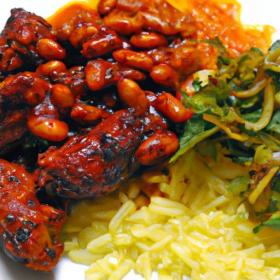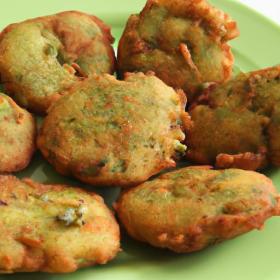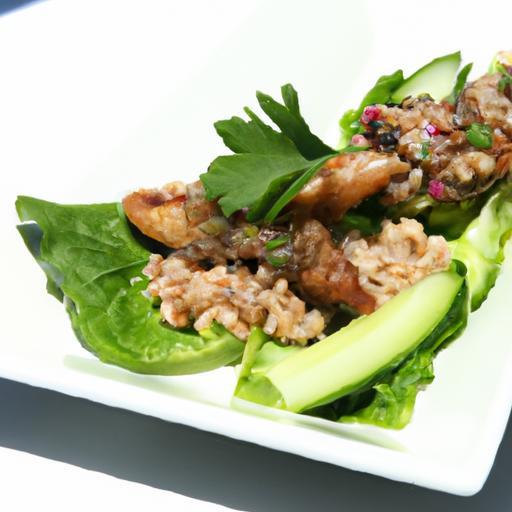

When it comes to culinary adventures, few experiences rival the vibrant tapestry of flavors found in East Africa’s bustling street food scenes. From the sizzling skewers of nyama choma in Kenya to the fragrant spice blends of Ugandan rolex wraps, this region serves up more than just meals-it offers a feast for the senses and a glimpse into rich cultural traditions. Whether you’re a seasoned food explorer or a curious beginner, preparing for an epic street food bash in East Africa requires more than just an appetite. Get ready to dive into a world where every stall tells a story, every bite bursts with history, and every meal is an invitation to savor life’s simplest and most delicious pleasures. Here are the top tips to help you navigate, indulge, and celebrate the extraordinary street food culture of East Africa like a true local.
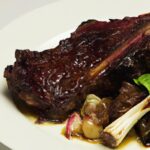
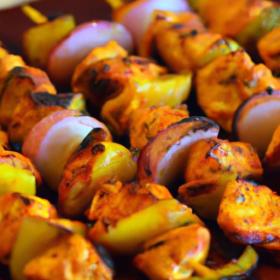
Savor East Africa’s vibrant street food scene by diving into one of the region’s iconic dishes-Nyama Choma, the smoky, succulent grilled meat that perfectly captures the essence of local celebrations and everyday gatherings alike. Originating from the pastoralist communities in Kenya and Tanzania, Nyama Choma is more than food-it’s a social experience that brings people together around open fires, embodying warmth, tradition, and communal spirit.
Prep and Cook Time
Preparation: 20 minutes | Marinating: 1 hour (optional) | Cooking: 30 minutes
Yield
Serves 4 hungry street food enthusiasts
Difficulty Level
Medium – perfect for adventurous home cooks eager to master authentic open-flame grilling techniques.
Ingredients
- 2 lbs beef ribs or goat meat, cut into large chunks
- 3 cloves garlic, finely minced
- 1 tbsp fresh ginger, grated
- 1 tsp freshly ground black pepper
- 1 tbsp coarse sea salt
- Juice of 1 lemon (adds brightness and helps tenderize)
- 2 tbsp vegetable oil or melted ghee
- 2 sprigs fresh rosemary or thyme (optional for aromatic infusion)
- Hot charcoal or wood embers for grilling
- Chopped onions and tomatoes for garnish
- Kachumbari (fresh tomato and onion salad) as a traditional accompaniment
Instructions
- Prepare the Meat: Rinse the meat under cold water and pat dry. This helps reduce any excess surface moisture for better grilling.
- Marinate: In a large bowl, combine minced garlic, grated ginger, black pepper, salt, lemon juice, and vegetable oil. Toss the meat chunks thoroughly in this mixture. If time allows, cover and refrigerate for at least 1 hour to deepen flavor.
- Prepare the Grill: Light your charcoal or wood embers outdoors. Before cooking, ensure the flame has settled into a steady medium heat with glowing embers-perfect for slow, even cooking.
- Skewer or Place Meat: Thread meat pieces on skewers or arrange directly on a clean grill rack. Scatter rosemary or thyme around for subtle herbal notes.
- Grill the Meat: Cook over embers on medium heat. Turn every 5 minutes to achieve a beautiful char and even cooking. Expect around 25-30 minutes depending on meat thickness. Look for a crispy crust with juicy, tender inside.
- Rest the Meat: Remove from heat and allow resting for 5 minutes. This lets juices redistribute, resulting in optimal tenderness.
- Garnish & Serve: Sprinkle chopped onions and juicy tomatoes atop the grilled meat. Serve alongside fresh Kachumbari salad and a side of ugali or chapati for a full street food feast.
Chef’s Notes & Tips for Success
- Meat Options: Traditionally made with beef or goat, but lamb or even chicken can work wonderfully with adjusted grilling times.
- Marination: For a smoky tang, add a teaspoon of smoked paprika or chili flakes. Adjust salt based on taste and meat cut.
- Grilling Fuel: Charcoal or wood embers provide authentic smoky flavor. Avoid gas grills if possible to stay true to tradition.
- Rest Time: Don’t skip resting-it’s crucial for juicy, tender meat.
- Make-Ahead: Marinated meat can be refrigerated overnight for a deeper flavor punch.
Serving Suggestions
Present the Nyama Choma on a rustic wooden platter or banana leaf for visual authenticity. Garnish with fresh herbs like cilantro or parsley and a wedge of lemon on the side to squeeze over grilled meat. Accompany with Kachumbari, a refreshing blend of finely diced tomatoes, onions, cilantro, and chili; and enjoy with ugali (a traditional dense maize porridge) or chapati to complete this quintessential East African street feast.

| Nutrient | Amount per Serving |
|---|---|
| Calories | 450 kcal |
| Protein | 42 g |
| Carbohydrates | 2 g |
| Fat | 30 g |
To dive even deeper into East African culinary traditions, check out our comprehensive guide to East African cuisine. For health and safety best practices when exploring street food globally, visit CDC’s food safety tips for travelers.
Q&A
Q&A: Savor East Africa – Top Tips for an Epic Street Food Bash
Q1: What makes East African street food so special?
A1: East African street food is a vibrant dance of flavors, stories, and culture. From the spicy mundu (meat satay) of Kenya to the sweet, honey-drizzled mandazi of Tanzania, each bite reflects centuries of trade, tradition, and local ingenuity. It’s street cuisine with a soul, blending indigenous ingredients and multicultural influences for a truly epic taste adventure.
Q2: Where’s the best place to kickstart your street food journey in East Africa?
A2: Start with the bustling markets of Nairobi’s Kariokor, Dar es Salaam’s Mwenge, or Kampala’s Owino Market. These lively hubs are treasure troves of sizzling grills, fragrant spices, and colorful stalls bustling with vendors who serve fresh, authentic dishes. The pulse of these places sets the perfect tone for an unforgettable culinary escapade.
Q3: What street foods should I absolutely try during my bash?
A3: Don’t miss the ugali served hot-off-the-fire with sukuma wiki (collard greens) or nyama choma (grilled meat). Dive into samosas bursting with spiced beef or lentils, feast on freshly made chapati wraps, and savor the sweet embrace of sugarcane juice or spiced hibiscus tea. Each dish is a story on a plate, calling you to taste East Africa’s heart and soul.
Q4: How can I best navigate the street food scene safely?
A4: Embrace your adventurous side but stay savvy: choose vendors with high turnover to ensure freshness, watch food being cooked in front of you, and drink bottled or boiled water. Don’t shy away from asking locals for their favorite stalls-they’re the ultimate guides to safe and spectacular eats.
Q5: What’s the secret to hosting your own East African street food bash?
A5: Create an open-air vibe with vibrant textiles and handmade decor. Curate a diverse menu featuring staples like samosas, mandazi, grilled meats, and locally brewed chai. Encourage sharing-street food in East Africa is all about community and connection. Play Afrobeat tunes to set the mood, and don’t forget the spicy sauces for that authentic kick!
Q6: Can street food experiences in East Africa be family-friendly?
A6: Absolutely! Many vendors offer milder versions of their dishes, suitable for younger palates. Plus, the lively atmosphere, colorful stalls, and hands-on eating style make it a fun and interactive way for families to connect over food, culture, and stories passed down like treasured recipes.
Q7: Any tips for capturing the essence of East African street food in photos?
A7: Focus on the vibrant colors, smoky grills, and joyful expressions of vendors and diners alike. Early morning or late afternoon light adds warmth and drama. Close-ups of hands prepping food or a toothsome bite highlight the sensory delight, while wide shots capture the bustling energy and community spirit.
Q8: What should a traveler absolutely avoid when exploring East African street food?
A8: Avoid skipping the local etiquette-always greet vendors politely and be patient. Don’t rush eating; savor the flavors and stories they offer. Also, steer clear of overly touristy stalls where authenticity is often sacrificed for convenience or price. Embrace the adventure by following your nose and local recommendations.
With these tips in your foodie arsenal, your East African street food bash is set to be nothing short of legendary! Bon appétit, or as they say in Swahili, Kula kwa raha!
Closing Remarks
As the sun sets over the bustling markets and vibrant street corners of East Africa, the flavors linger long after the last bite. Embarking on a street food adventure here isn’t just about eating-it’s about connecting with the rich tapestry of cultures, traditions, and stories simmered into every dish. Armed with these top tips, you’re ready to dive fork-first into an epic street food bash that will awaken your senses and deepen your appreciation for East Africa’s culinary soul. So, grab your appetite, embrace the chaos, and let the unforgettable tastes of East Africa transform your next food journey into a celebration of life itself.