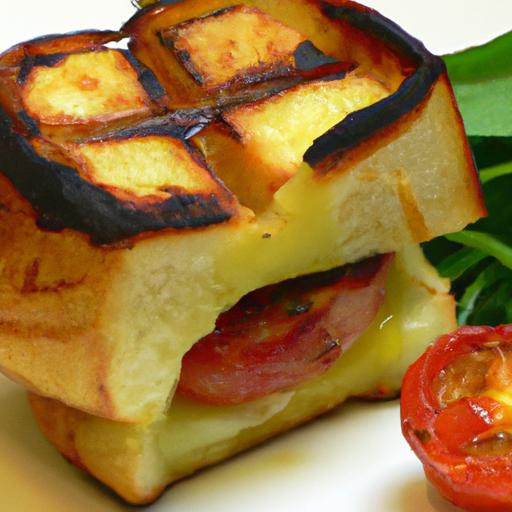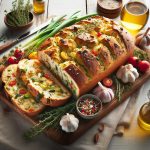

Imagine sinking your teeth into a golden, crispy pocket of savory delight, where every bite unveils a harmonious blend of flavors that dance on your palate. This is Tunisian Fricassé, the ultimate fried bread sandwich-a culinary gem that captures the heart and soul of Tunisia’s vibrant street food culture. More than just a meal, Fricassé is a celebration of texture and taste, where crunchy meets soft, and simple ingredients transform into an unforgettable experience. Join us as we delve into the history, ingredients, and irresistible charm of this beloved Tunisian treat that promises to elevate your sandwich cravings to new, mouthwatering heights.
Discovering the Origins and Cultural Significance of Tunisian Fricassé
Savor Tunisian Fricassé offers a delightful entry into the vibrant culinary world of Tunisia, where food is an art form and tradition blends seamlessly with street food culture. This beloved fried bread sandwich originated in Tunis, a bustling capital city where locals cherish it as a quick, satisfying meal. More than just a snack, fricassé carries a rich history as a working-class favorite, symbolizing communal gatherings and festive moments alike. It’s said that every neighborhood in Tunisia boasts its own twist on this crispy creation, showcasing the diversity and inventiveness of Tunisian flavors.
Prep and Cook Time
- Preparation: 25 minutes
- Cooking: 15 minutes
- Total Time: 40 minutes
Yield
Serves 4 generous sandwiches
Difficulty Level
Medium – requires dough handling and frying skills
Essential Ingredients and Flavorful Fillings to Elevate Your Fricassé
- For the dough: 3 cups all-purpose flour, sifted
- 1 tsp active dry yeast
- 1 tsp sugar
- 1 tsp salt
- 1 cup warm water (adjust as needed)
- 2 tbsp olive oil
- For frying: 2 cups vegetable oil or peanut oil
- Fillings:
- 3 hard-boiled eggs, quartered
- 1 cup canned tuna, drained
- 1/2 cup mashed potatoes
- 1/4 cup chopped fresh parsley
- 2 tbsp capers
- Harissa or spicy chili paste, to taste
- Salt and black pepper, to taste
Instructions
- Activate the yeast: In a small bowl, dissolve sugar in warm water, then sprinkle yeast over it. Let it sit for 5-7 minutes or until frothy.
- Prepare the dough: In a large mixing bowl, combine sifted flour and salt. Gradually add the yeast mixture and olive oil, mixing with a wooden spoon until it forms a shaggy dough.
- Knead: Turn the dough onto a floured surface and knead for 8-10 minutes until smooth and elastic. Add a little flour if it’s sticky-but keep the dough soft.
- Let rise: Place the dough in a lightly oiled bowl, cover with a damp cloth, and let rise in a warm spot for about 1 hour or until doubled in size.
- Prepare filling: Mix tuna, mashed potatoes, parsley, capers, salt, and pepper in a bowl. Hold off on harissa until serving for customizable spice.
- Shape the dough: Divide dough into 8 equal portions. Flatten each into an oval or round shape about 1/4 inch thick.
- Heat oil: In a deep skillet or frying pan, heat vegetable oil over medium-high heat to 350°F (175°C). Test by dropping a small piece of dough-it should sizzle immediately.
- Fry bread: Fry each flattened dough piece in hot oil for 2-3 minutes per side, until golden and crisp. Drain on paper towels.
- Assemble sandwiches: Cut each fried bread horizontally to form a pocket. Stuff with the tuna-potato mixture, add hard-boiled egg quarters, and spread a layer of harissa if desired.
- Serve warm: Garnish with fresh parsley and an extra drizzle of olive oil or lemon juice to brighten the flavors.
Expert Tips for Serving and Enjoying Tunisian Fricassé Like a Local
Enjoying fricassé like a Tunisian means embracing the vibrant contrasts in texture and taste. The crispy yet airy bread provides the perfect vessel for the creamy potato and savory tuna filling. For an authentic experience, pair it with a refreshing glass of mint tea or a locally brewed coffee.
Don’t hesitate to experiment with fillings-adding olives, diced tomatoes, or sautéed onions creates wonderful variations. If you want to prepare ahead, make the dough the day before and refrigerate it to develop more flavor. Just make sure to bring it back to room temperature before shaping and frying.
Serving Suggestions
- Present fricassé on a rustic wooden board or traditional clay plate to emphasize its street-food charm.
- Garnish with sprigs of fresh parsley and lemon wedges on the side for an added zesty kick.
- Include small bowls of harissa and creamy yogurt dip for guests to customize their spice level.
- Serve alongside a crisp salad of cucumbers, tomatoes, and red onions dressed lightly with olive oil and vinegar.
| Nutrient | Per Serving (1 sandwich) |
|---|---|
| Calories | 420 kcal |
| Protein | 18 g |
| Carbohydrates | 45 g |
| Fat | 15 g |

To deepen your exploration of Tunisian cuisine, see our detailed guide on Tunisian Couscous Recipes. For more on North African food history, the authoritative Encyclopaedia Britannica provides excellent context.
Q&A
Q&A: Savor Tunisian Fricassé – The Ultimate Fried Bread Sandwich
Q1: What exactly is Tunisian Fricassé?
A1: Tunisian Fricassé is a beloved street food staple from Tunisia, famous for its crispy fried bread filled with a delightful medley of savory ingredients. Imagine biting into a golden, crunchy pocket that bursts with flavors-typically mashed potatoes, tuna, boiled eggs, olives, harissa, and fresh herbs-all harmonizing in one irresistible sandwich.
Q2: How did Fricassé become such an iconic Tunisian dish?
A2: Fricassé’s roots trace back to Tunisia’s rich culinary history of blending Mediterranean influences and local flavors. Its convenience and satisfying taste made it a popular street snack, cherished by locals and tourists alike. Over time, it has become a symbol of Tunisian ingenuity in turning humble ingredients into a flavor powerhouse.
Q3: What makes the bread special in a Fricassé?
A3: The bread, typically a light, airy dough, is deep-fried until it achieves a perfect golden crispness-crunchy on the outside yet soft and fluffy within. This contrast creates the ideal vessel to hold the savory filling, making every bite a textural delight.
Q4: Can I customize the filling?
A4: Absolutely! While the classic Fricassé is known for its mashed potatoes, tuna, and eggs, variations abound. You might find versions with capers, roasted peppers, or even spicy variants with extra harissa. It’s a versatile canvas that invites creativity while honoring tradition.
Q5: Is Tunisian Fricassé difficult to make at home?
A5: Not at all! With a bit of patience and the right ingredients, you can recreate this street food marvel in your kitchen. Mastering the perfectly fried dough might take practice, but once you get the hang of it, assembling the filling is straightforward and fun.
Q6: When is the best time to enjoy a Fricassé?
A6: Fricassé is a versatile snack enjoyed any time of day-whether as a hearty breakfast, a quick lunch on the go, or a late-night treat. In Tunisia, it’s common to find vendors serving it freshly made throughout the day, making it a go-to comfort food at any hour.
Q7: Where should I eat Fricassé if I visit Tunisia?
A7: For an authentic experience, head to the bustling markets or local street corners in Tunis, Sfax, or Sousse where vendors prepare Fricassé fresh to order. Each spot offers a slightly different take, so sampling from various vendors can turn into an exciting flavor adventure.
Embrace the crispy, flavorful charm of Tunisian Fricassé and discover why this fried bread sandwich reigns supreme as a delicious symbol of Tunisian street food culture!
In Conclusion
In the vibrant tapestry of Tunisian cuisine, the fricassé stands out as a delicious emblem of street food culture-crispy, flavorful, and delightfully versatile. Whether enjoyed as a quick snack on bustling city streets or savored slowly over lively conversation, this fried bread sandwich offers more than just sustenance; it’s a taste of history, tradition, and the joyful spirit of Tunis. So next time you crave something both comforting and adventurous, let the fricassé be your ultimate culinary companion-a crunchy, savory bite of Tunisia that’s impossible to forget.