
Beneath the ethereal glow of the Northern Lights and amidst volcanic landscapes sculpted by fire and ice, Iceland offers more than breathtaking vistas-it invites you to savor a timeless culinary treasure: Rúgbrauð. This dense, dark rye bread, lovingly baked using geothermal heat or slow-steamed beneath the earth’s surface, carries the essence of Iceland’s rugged terrain and resilient spirit. In this article, we delve into the origins, cultural significance, and the authentic recipe of Icelandic Rúgbrauð, unveiling a traditional rye bread that is as rich in history as it is in flavor. Prepare to embark on a flavorful journey where ancient techniques meet simple, wholesome ingredients to create a bread that warms both body and soul.
Icelandic Rúgbrauð Origins and Cultural Significance
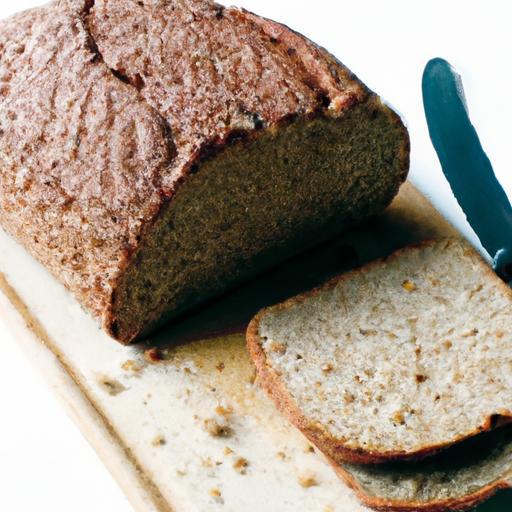
Icelandic Rúgbrauð: Traditional Rye Bread Recipe Unveiled is a celebration of centuries-old culinary heritage deeply ingrained in the volcanic landscapes and vibrant culture of Iceland. This dense, sweet rye bread, known locally as rúgbrauð, was historically baked by burying the dough in the warm earth near geothermal vents, turning the land’s natural heat into a slow-cooking oven. Its rich flavor and moist texture have made it a staple on Icelandic tables, symbolizing resilience and resourcefulness in adapting to the island’s unique environment. For me, discovering rúgbrauð was like tasting the Icelandic spirit itself – warm, hearty, and rooted in nature’s gifts.
Prep and Cook Time
- Prep Time: 15 minutes
- Cook Time: 6 to 8 hours (traditional slow bake) / 1 hour 20 minutes (modern oven)
Yield
One loaf (~12 slices), perfect for sharing at breakfast or with savory Icelandic dishes.
Difficulty Level
Medium – requires patience for the slow baking process but simple techniques.
Ingredients
- 3 cups rye flour (whole grain if possible for authentic texture)
- 1 cup all-purpose flour, sifted
- 1 ½ cups dark molasses or Icelandic malt syrup
- 2 tsp baking soda
- 1 tsp salt
- 3 cups buttermilk or cultured milk
- Optional: ½ cup dark beer (for depth of flavor)
Instructions
- Preheat your oven to 225°F (110°C) if using a conventional oven. Traditional baking uses geothermal heat but a low-and-slow approach replicates this beautifully.
- In a large bowl, whisk together the rye flour, all-purpose flour, baking soda, and salt until thoroughly combined.
- Slowly add the molasses and stir well to evenly distribute the dark sweetness throughout the dry ingredients.
- Pour in the buttermilk and, if using, the dark beer, mixing continuously until a thick, sticky batter forms. The dough will be dense – this is expected.
- Grease a 9×5-inch loaf pan generously and pour in the dough, smoothing the top with a spatula.
- Cover the pan tightly with aluminum foil to keep moisture in during the slow bake.
- Bake in the oven for 6 to 8 hours, or until a skewer inserted in the center comes out clean. For a quicker version, bake at 350°F (177°C) for about 1 hour 20 minutes.
- Allow the bread to cool completely in the pan on a wire rack before slicing – this helps it set and develop its signature moist texture.
Tips for Success
- Geothermal baking: If you’re lucky enough to visit geothermal hot springs, try burying the bread wrapped in foil in warm earth for 12-24 hours to experience authentic Icelandic baking.
- Molasses alternatives: Use Icelandic malt syrup if available for an amber hue and malt flavor; dark treacle or blackstrap molasses work well too.
- Storage: Keeps exceptionally well wrapped at room temperature for up to a week and freezes beautifully – slice before freezing for easy portions.
- Flavor variations: Add 1 tsp ground caraway seeds for a traditional aromatic twist or swirl in chopped dried fruits for a sweet surprise.
Serving Suggestions and Pairing Ideas for Authentic Flavor
Rúgbrauð’s slightly sweet and earthy notes make it a versatile companion for iconic Icelandic dishes. Serve thick slices slathered with buttery smoked lamb (hangikjöt) or adorned with pickled herring or creamy trout spread. It also pairs beautifully with sharp Icelandic cheeses like skyr or a tangy cream cheese lessened with fresh dill and lemon zest. For breakfast, a spoonful of rich rhubarb jam or cloudberry preserves lends fruity contrast to the dense rye.
Visual presentation matters: arrange slices on a rustic wooden board, garnish with fresh herbs like dill or chives, and include small bowls of Icelandic butter and seafood spreads. This creates an inviting, authentic Nordic spread ideal for family gatherings or intimate brunches that honor the story behind the bread.
| Nutrient | Per Slice (approx.) |
|---|---|
| Calories | 150 kcal |
| Protein | 4 g |
| Carbohydrates | 30 g |
| Fat | 1 g |
Discover more about Icelandic food traditions and recipes in our related Icelandic seafood dishes article. For detailed insights into the nutritional power of rye breads worldwide, visit EatRight.org.

Q&A
Q&A: Icelandic Rúgbrauð – Traditional Rye Bread Recipe Unveiled
Q1: What is Rúgbrauð and why is it so special in Icelandic culture?
A: Rúgbrauð is Iceland’s traditional rye bread, often described as a dense, slightly sweet, and dark loaf that’s rich in flavor and history. Specially baked using hot spring steam or underground geothermal heat, it’s a culinary symbol of Iceland’s geothermal landscapes and resourcefulness. For centuries, it has been a staple at Icelandic tables, cherished for its hearty texture and its role in complementing local dishes like smoked lamb and pickled herring.
Q2: How does Rúgbrauð differ from other rye breads around the world?
A: Unlike many rye breads that are baked in an oven, traditional Rúgbrauð is gently “baked” by burying the dough in the ground near hot springs or cooking it in a sealed pot steamed by geothermal heat. This method produces a moist, almost cake-like crumb with a subtle molasses sweetness and a crust that’s tender rather than crispy. It’s less sour than some Eastern European dark rye breads, with a distinct texture and aroma unique to Icelandic terroir.
Q3: What ingredients are essential for making authentic Rúgbrauð?
A: The magic of Rúgbrauð lies in its simple, wholesome ingredients. The core components include rye flour, dark barley malt syrup or molasses to bring out a gentle sweetness, baking powder or yeast for leavening, salt, and buttermilk or water. Sometimes a touch of wheat flour is added to lighten the texture. The ingredient combination results in a bread that’s deeply flavored and naturally moist.
Q4: Can you describe the traditional baking process of Rúgbrauð?
A: Traditionally, bakers would mix the dough and place it in a sealed container, which is then buried in the warm earth near a geothermal hot spring for about 24 hours. The slow, steady steam heat “bakes” the bread slowly and evenly, caramelizing the sugars and creating that characteristic moist crumb. In modern kitchens without geothermal access, the dough is often steamed or baked slowly in a covered pot or slow cooker, replicating the gentle heat of Iceland’s earth.
Q5: What are the best ways to enjoy Rúgbrauð once it is baked?
A: Rúgbrauð is traditionally enjoyed in thick slices, often paired with butter, smoked lamb (hangikjöt), pickled fish, or sharp cheese. Its sweet undertones balance savory and salty Icelandic ingredients beautifully. Many locals also enjoy it toasted with cream cheese or as a base for open-faced sandwiches topped with fresh seafood. Its dense, moist texture makes it excellent for hearty breakfasts or cozy dinners.
Q6: Why has there been a resurgence of interest in Rúgbrauð worldwide?
A: In the global wave of embracing traditional, slow-cooked, and artisanal foods, Rúgbrauð’s unique preparation and rich heritage have captured curiosity and admiration. Food enthusiasts appreciate the bread’s connection to Iceland’s natural geothermal wonders and its comforting, naturally sweet flavor that contrasts with more common sourdough and wheat breads. Additionally, its simple ingredients align well with modern clean-eating trends.
Q7: Is it possible to make Rúgbrauð at home without Iceland’s geothermal heat?
A: Absolutely! While nothing quite replicates the magic of Icelandic hot springs, you can steam Rúgbrauð in a slow cooker or a Dutch oven with a tight lid. Baking it very slowly at low temperatures in a covered pot helps emulate the gentle heat and moisture that are key to the bread’s signature texture. Many home bakers also use slow-baking techniques and molasses to capture its authentic flavor.
Q8: What makes Rúgbrauð a sustainable and eco-friendly food choice?
A: Traditionally using Iceland’s renewable geothermal energy for baking means Rúgbrauð has a very low carbon footprint when baked the Icelandic way. Plus, rye is a hardy cereal grain that grows well in cool, harsh climates, requiring less intensive farming than wheat. It’s a great example of how local ingredients and natural energy sources come together to create a food deeply connected to its environment.
This Q&A highlights the essence of Icelandic Rúgbrauð, exploring its heritage, preparation, and lasting appeal. Whether you’re a curious foodie or a home baker, uncovering this bread’s secrets invites you into a delicious journey through Iceland’s landscape and culture.
Wrapping Up
As the warm aroma of Icelandic rúgbrauð lingers in the kitchen, we come to appreciate more than just a bread recipe-we embrace a piece of Iceland’s soul baked into every loaf. This dense, slightly sweet rye bread tells the story of island resilience, centuries-old traditions, and the harmonious dance between nature and nourishment. Whether you choose to steam it in a pot, bury it in the ground near a hot spring, or bake it in your oven, rúgbrauð invites you to slow down and savor a taste of the rugged North. So next time you break a slice, remember: you’re partaking in a culinary heritage that’s as rich and enduring as Iceland itself. Skál!