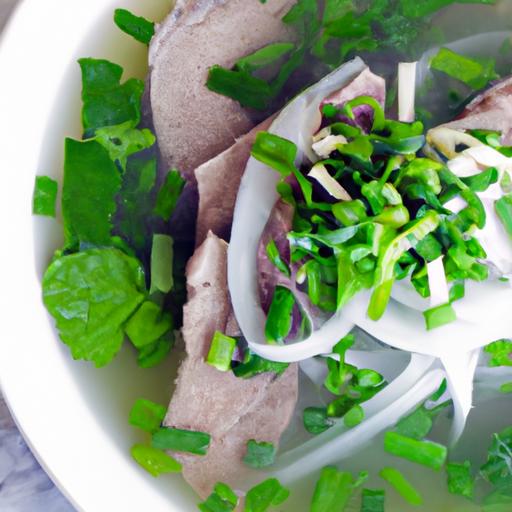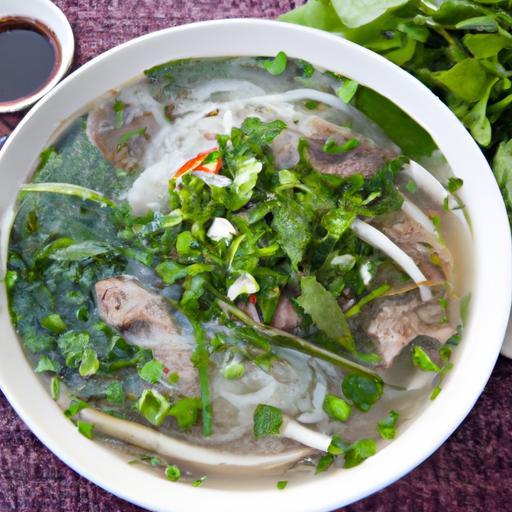

There’s something almost magical about a bowl of pho-its fragrant steam rising, the delicate dance of herbs and spices, and that savory broth that forms the very soul of the dish. Yet, many home cooks find themselves facing a common nemesis: cloudy broth. That murky veil can obscure the vibrant flavors and subtle clarity that pho deserves. But fear not-clearing the cloud from your pho broth isn’t just a culinary myth; it’s an art and science waiting to be mastered. In this article, we’ll unravel the secrets behind that perfect, crystal-clear broth and guide you step-by-step to pho perfection, turning your kitchen into a fragrant haven brimming with clean, deep, and irresistible flavors.
Clearing the cloud is the essential art behind achieving that iconic crystal-clear pho broth that comforts and captivates with every spoonful. Pho, a celebrated Vietnamese noodle soup, is revered worldwide for its aromatic depth and translucent broth-a culinary symphony created by patient simmering and precise technique. Perfecting this clarity not only elevates the visual appeal but intensifies the pure essence of the spices and bones melding together.
Prep and Cook Time
Prep Time: 30 minutes | Cook Time: 6-8 hours (slow simmer) | Total Time: 6.5-8.5 hours
Yield
Serves 6-8 generously
Difficulty Level
Medium
Ingredients
- 5 lbs beef leg bones (preferably with marrow)
- 2 lbs beef brisket
- 1 large white onion, halved
- 1 4-inch piece of ginger, halved lengthwise
- 5 star anise pods
- 3 cloves
- 2 cinnamon sticks
- 1 tablespoon coriander seeds
- 1 tablespoon rock sugar
- 1/4 cup fish sauce
- 12 cups filtered water
- Salt to taste
- Fresh herbs and accompaniments: Thai basil, cilantro, bean sprouts, lime wedges, sliced chili, hoisin sauce, and sriracha
Instructions
- Prepare and blanch the bones: Place the beef leg bones and brisket in a large stockpot and cover with cold water. Bring to a rolling boil over high heat for 10 minutes, skimming off any scum and impurities that rise to the surface. This initial step significantly aids in clearing the broth.
- Char aromatics: Using tongs or a grill pan, char the halved onion and ginger over direct flame or under a broiler until blackened for 8-10 minutes. This not only adds smoky depth but visually clarifies the broth.
- Rinse bones and pot: Drain the bones and brisket, discarding the murky water. Rinse the pot and bones thoroughly to remove residual scum, setting the stage for clear broth.
- Toast spices: In a dry skillet, toast star anise, cloves, cinnamon sticks, and coriander seeds over medium heat for 2-3 minutes until fragrant. Place in a spice sachet or cheesecloth for easy removal.
- Simmer the broth: Return bones and brisket to the cleaned pot, add 12 cups filtered water along with the charred onion, ginger, and spice sachet. Bring to a boil, then immediately reduce to low and simmer gently for 6-8 hours, uncovered. Avoid boiling vigorously to keep impurities settled.
- Master the art of skimming: Every 30 minutes, delicately skim any foam or fat that floats to the surface using a fine mesh skimmer or ladle. This continual skimming is key to clearing the cloudiness.
- Add rock sugar and fish sauce: Around hour 5, add rock sugar and fish sauce, adjusting salt to taste. Gently stir without disturbing the impurities.
- Strain the broth: Remove bones and brisket. Strain broth through a fine-mesh sieve lined with cheesecloth into another pot. For extra clarity, strain twice. This step captures every tiny particulate ensuring that signature shining broth.
- Finish brisket: Slice the brisket thinly against the grain and set aside for serving.
- Final warm-up and serve: Keep broth warm on low heat. Assemble bowls with cooked rice noodles, brisket slices, bean sprouts, fresh herbs, and a ladle of steaming clear broth.
Tips for Success
- Be patient with simmering: A low and slow simmer prevents emulsifying fat into the broth, the chief cause of cloudiness.
- Fresh bones are better: Ask your butcher to split the bones so marrow is exposed, amplifying the broth’s richness and clarity.
- Use filtered water: Minerals and chlorine in tap water can cloud delicate broths.
- Frequent skimming: Treat skimming like sacred ritual – it’s this gentle practice that clears your broth of impurities.
- Charring aromatics: This adds subtle smokiness and prevents the broth from becoming flat in flavor.
- Make broth ahead: Cool quickly, store refrigerated up to 3 days or freeze, then gently reheat without boiling to preserve clarity.
Serving Suggestions
Serve this pristine pho broth with freshly cooked flat rice noodles and thinly sliced brisket or your choice of protein. Embrace vibrant garnishes like Thai basil, cilantro sprigs, lime wedges, sliced jalapeños, and crisp bean sprouts to add fresh texture and brightness. Drizzle hoisin sauce and a splash of sriracha for a balance of sweet heat and umami. A bowl of pho is not only nourishment-it’s a celebration of harmony between clear broth and fragrant, fresh accompaniments.

| Nutrient | Per Serving (1 cup broth + brisket) |
|---|---|
| Calories | 180 kcal |
| Protein | 22 g |
| Carbohydrates | 12 g |
| Fat | 4 g |
For more detailed tips on pho noodles and traditional garnishes, check out our complete pho noodle guide. To understand the science behind broth clarity further, explore this informative article from Science Daily.
Q&A
Q&A: Clearing the Cloud – How to Fix Your Pho Broth Perfectly
Q1: Why does my pho broth turn out cloudy instead of crystal clear?
A1: The culprit behind cloudy pho broth is usually impurities and excess fat released from the bones and meat during boiling. Rapid boiling agitates these particles, suspending them in the liquid and creating a murky appearance. Additionally, not blanching the bones beforehand or skipping the skimming process can leave debris floating in your broth.
Q2: What’s the first step to achieving a perfectly clear pho broth?
A2: Start by blanching your bones and meat. This means giving them a quick boil for about 5 to 10 minutes, then rinsing them under cold water. This step helps remove blood, foam, and other impurities before the slow cooking process, setting the stage for a clearer, cleaner broth.
Q3: Is slow simmering really the key?
A3: Absolutely! A gentle simmer, rather than a rolling boil, is essential. High heat causes the fats and proteins to emulsify, suspending in your broth and clouding it. Keeping things just below a boil allows the impurities to rise to the surface so you can skim them off gently, resulting in a translucent, flavorful pho broth.
Q4: How often should I skim the broth, and what’s the best technique?
A4: Skim the broth every 15 to 20 minutes during the simmering process. Use a fine mesh skimmer or ladle to gently remove foam, scum, and fat that accumulate on the surface. Think of it as patiently polishing a gem-each skim brings your broth closer to that perfect glassy finish.
Q5: Can straining the broth improve clarity?
A5: Definitely! After simmering, strain your broth through a fine mesh sieve or cheesecloth to catch any lingering solids or sediments. Some chefs double strain for extra clarity. This final step is like putting on a filter-it removes the last traces of cloudiness and leaves you with a bright, aromatic broth.
Q6: Does adding certain ingredients affect the clarity?
A6: Yes. Ingredients such as white radish (daikon) help absorb impurities and add subtle sweetness, often improving clarity. However, avoid tossing in too many aromatic herbs or crushed spices during the initial boil, as they can release tiny particles that dull the broth’s appearance. Introduce delicate aromatics later or in the serving bowl to keep the broth pristine.
Q7: Any secret tips for that restaurant-worthy pho broth?
A7: One trick is to prepare your bones and broth with care: roasted bones and spices add depth and help clarify flavors without cloudiness. Another is patience-slowly simmering your broth for 6 to 8 hours, periodically skimming and straining, lets the flavors develop fully while maintaining clarity. Lastly, chilling the broth after simmering helps solidify any remaining fat on top, which you can then skim easily before reheating to serve.
Q8: How important is water quality in broth clarity?
A8: Surprisingly important! Using filtered or soft water reduces mineral impurities that might otherwise cloud your broth. Tap water with heavy mineral content can affect both clarity and flavor, so start with the cleanest water you can to ensure a pure and vibrant pho broth.
With these tips in your culinary toolkit, you’ll transform your pho broth from foggy to flawless-each bowl shimmering with the clarity and depth that makes this Vietnamese classic truly unforgettable. Happy simmering!
In Retrospect
As the fragrant steam rises from your perfectly clear pho broth, you’ve not only mastered a recipe-you’ve unlocked a timeless culinary secret. Clearing the cloudiness isn’t just about aesthetics; it’s about honoring the delicate balance of flavors that make pho a beloved staple. With these techniques in your kitchen arsenal, every bowl you serve will glisten with clarity and taste like a warm embrace from a Vietnamese street vendor. So next time you simmer your broth, remember: patience, precision, and a keen eye are the true ingredients for perfection. Here’s to broth that’s as clear and comforting as the memories it inspires.