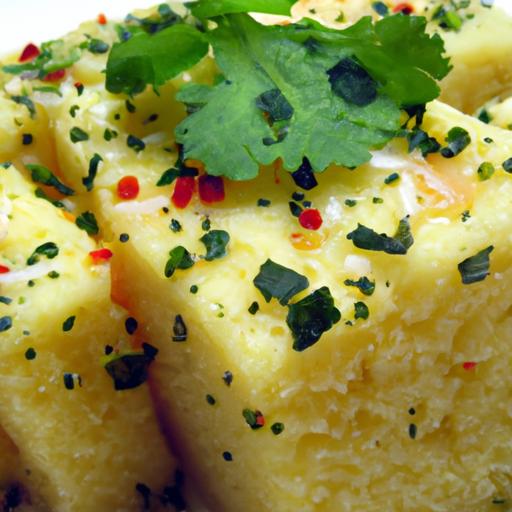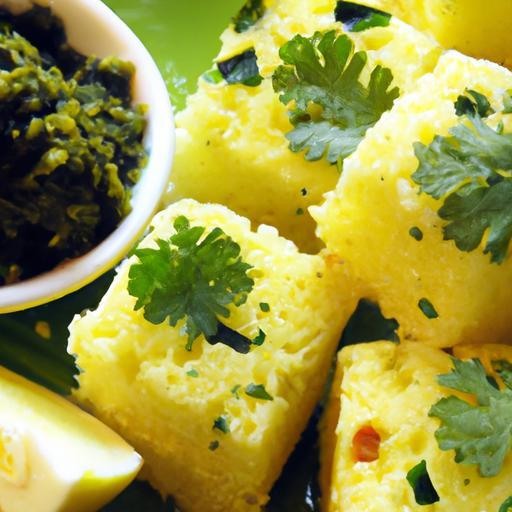

Imagine biting into a piece of dhokla, expecting a light, airy cloud of savory delight-only to find it dense and heavy, like a tiny brick disguised as a snack. For many home cooks and dhokla enthusiasts, this unexpected texture can be disappointing and puzzling. But fear not! The secret to that perfect, spongy dhokla lies in a few simple tweaks and quick fixes. In this article, we’ll unravel the common culprits behind dense dhokla and share easy, effective tips to turn your next batch into a fluffy, melt-in-your-mouth masterpiece. Say goodbye to heaviness and hello to the dhokla of your dreams!
Why Is My Dhokla Dense Instead of Spongy? Quick Fixes! often arises from small missteps in the batter preparation or steaming process. Dhokla, a beloved snack from Gujarat, is cherished for its light, airy, and fluffy texture-a perfect blend of tangy and mildly sweet flavors. Understanding the delicate science behind its sponginess can transform your kitchen attempts into a consistent success story. Let’s delve into what affects dhokla’s texture and discover simple solutions to achieve that coveted cloud-like soft bite every time.
Prep and Cook Time
- Preparation: 15 minutes
- Resting time: 30 minutes (for fermentation)
- Cooking time: 15 minutes steaming
- Total time: 1 hour
Yield
Serves 6-8 people
Difficulty Level
Easy to Medium
Ingredients
- 1 cup chickpea flour (besan), sifted
- 1/4 cup semolina (rava), fine
- 3/4 cup plain yogurt, whisked (room temperature)
- 1 teaspoon ginger-green chili paste
- 1 tablespoon sugar
- 1 teaspoon fruit salt (Eno) or baking soda
- 1/2 teaspoon turmeric powder
- 1 teaspoon lemon juice
- 1 teaspoon salt
- 1 cup water (adjust to batter consistency)
- 2 tablespoons oil for tempering
- 1 teaspoon mustard seeds
- 10-12 curry leaves
- 2 dried red chilies, broken
- Fresh coriander leaves, chopped (for garnish)
- Grated coconut (optional garnish)
Instructions
- Prepare the batter: In a large bowl, combine besan, semolina, turmeric, salt, and sugar. Add whisked yogurt and ginger-green chili paste. Gradually mix in water to create a smooth, flowing batter with no lumps. Let it rest covered for 20-30 minutes to allow slight fermentation, which is essential for a fluffy texture.
- Activate leavening: Just before steaming, add the fruit salt (Eno) or baking soda to the batter and gently fold. You’ll notice the batter bubble – this aeration is the secret to softness. Pour lemon juice over the mix and stir lightly. Do not overmix or the bubbles will flatten out!
- Prepare the steamer: Bring water to a boil in a wide pot or pressure cooker without the pressure weight. Grease a 7-inch round cake pan or thali lightly with oil.
- Steam the batter: Immediately pour the batter into the prepared pan and place it on the steaming rack. Cover with a lid and steam for 15 minutes or until a toothpick inserted comes out clean. Avoid opening the lid early, as the sudden drop in temperature can cause dhokla to become dense.
- Make the tempering (tadka): Heat oil in a small pan, add mustard seeds, and wait till they crackle. Add curry leaves and dried red chilies, sauté for a few seconds. Pour this hot tempering over the steamed dhokla immediately to infuse flavor and moisture.
- Final touches: Allow the dhokla to cool slightly, cut into squares or diamonds, and garnish with chopped coriander and optional grated coconut. Serve warm with green chutney or sweet tamarind sauce.
Tips for Success: Simple Ingredient Tweaks for Light and Fluffy Dhokla
- Use fresh yogurt: This provides natural acidity helping fermentation and softness.
- Precision with fruit salt or baking soda: Too much can cause bitterness; too little results in density.
- Don’t overmix after adding leavening: Stir gently to retain bubbles.
- Ensure consistent steaming: Maintain steady heat without sudden lid removal.
- Add semolina: Semolina absorbs water and holds the structure while keeping dhokla spongy.
Common Mistakes and How to Avoid Them
- Using cold ingredients: Always use room temperature ingredients to activate fermentation.
- Skipping the resting period: This is essential for batter aeration.
- Incorrect steaming time or temperature: Under or over steaming causes dense texture.
- Neglecting tempering: Adds moisture and enhances texture.
Serving Suggestions
Serve dhokla fresh and warm, ideally with a side of zesty green coriander-mint chutney or sweet tamarind chutney. A sprinkle of fresh coriander and a dash of mustard seeds tempering adds inviting aromas and a pop of flavor. Pair with a cup of hot Indian chai for an authentic experience. For added texture, you can garnish with roasted peanuts or sev for a delightful crunch.

| Nutrient | Per Serving (Approx.) |
|---|---|
| Calories | 140 kcal |
| Protein | 6 g |
| Carbohydrates | 22 g |
| Fat | 3.5 g |
Mastering the perfect spongy dhokla is an art that hinges on understanding the chemistry behind the batter and steaming process. For more on how fermentation influences Indian snacks, explore Britannica’s detailed guide on fermentation. And to discover more traditional Indian recipes with foolproof techniques, visit our Indian Snacks section.
Q&A
Q&A: Why Is My Dhokla Dense Instead of Spongy? Quick Fixes!
Q1: What causes my dhokla to turn out dense rather than light and spongy?
A1: Dense dhokla typically happens when the batter lacks enough aeration or the fermentation is inadequate. Common culprits include old or expired baking soda/baking powder, insufficient steaming time, or a batter that’s too thick. Overmixing or not resting the batter can also weigh it down.
Q2: How important is fermentation in making spongy dhokla?
A2: Fermentation is key! It helps generate the tiny air bubbles that make dhokla fluffy and soft. If you skip fermentation or don’t let the batter rest adequately, the dhokla won’t rise well, resulting in a dense texture.
Q3: Can the type of flour affect dhokla’s texture?
A3: Absolutely! Chickpea flour (besan) with a fresh quality is essential. Stale or damp flour can affect fermentation and batter consistency. Also, balancing besan with a bit of semolina (rava) or yogurt helps in achieving that perfect sponginess.
Q4: How should I mix my dhokla batter to avoid density?
A4: Mix gently to combine ingredients but avoid overbeating. Once you add the leavening agents (like baking soda), stir just enough to distribute it evenly. Overmixing at this stage can cause the bubbles to collapse, leading to a dense cake.
Q5: What quick fixes can I try if my dhokla is turning out dense?
A5:
- Check the freshness of your baking soda/powder. Replace if needed.
- Add a little eno fruit salt right before steaming for an instant lift.
- Ensure the batter has a pourable, slightly thick consistency – not too dense.
- Steam it properly in a covered pan with sufficient water for 15-20 minutes.
- Don’t open the lid during steaming to preserve heat and moisture.
Q6: Can steaming time impact the texture of dhokla?
A6: Yes! Undercooked dhokla remains dense and raw inside. Overcooking can dry it out. Steam dhokla for about 15-20 minutes or until a toothpick inserted comes out clean. Proper steam allows the batter to set into a light, airy cake.
Q7: Are there any handy hacks to make dhokla spongier instantly?
A7: For quick dhokla, add eno fruit salt after you add baking soda and just before pouring the batter into the steaming tray. This reaction creates instant air bubbles. Also, try whisking yogurt until frothy before mixing – it helps aerate the batter.
Q8: What role does water temperature play in dhokla fermentation and texture?
A8: Lukewarm water helps kick-start fermentation smoothly by activating the natural bacteria in yogurt and batter. Cold water can slow fermentation, producing a denser batter, while very hot water might kill the fermenting agents. Aim for a comfortable warm temp to encourage fluffiness.
Whether you’re a dhokla newbie or a seasoned kitchen pro, these tips will have you flipping from dense to delightfully spongy dhokla in no time. Happy steaming!
Wrapping Up
In the delightful world of dhokla, achieving that perfect airy, spongy texture can sometimes feel like a culinary mystery. But now, armed with these quick fixes and insights, you’re fully equipped to turn any dense mishap into a fluffy victory. Remember, it’s all about the right balance-be it the fermentation, the batter consistency, or the steaming magic. So next time your dhokla seems a little heavy, don’t fret; tweak, trust the process, and watch your kitchen creations rise to delicious new heights! Happy cooking and even happier eating!