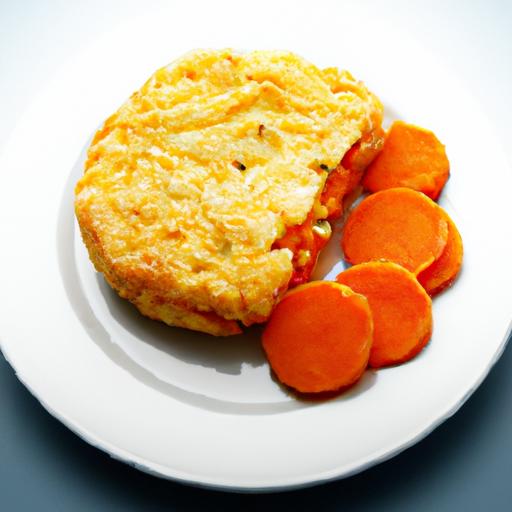

There’s nothing quite like the crispy, golden delight of a perfectly cooked Kartoffelpuffer-those beloved German potato pancakes that dance between crunchy and tender with every bite. But if your Kartoffelpuffer are falling apart in the pan, turning your anticipated treat into a frustrating mess, you’re not alone. Whether you’re a seasoned home cook or a curious beginner, mastering the art of staying intact is the secret ingredient to elevating your Kartoffelpuffer game. In this article, we’ll uncover the common culprits behind their collapse and share expert tips to transform your potato pancakes from floppy to fabulous. Get ready to serve up crispy, cohesive Kartoffelpuffer that hold their shape and steal the show every time!
Why Your Kartoffelpuffer Are Falling Apart-and How to Fix It begins with understanding the delicate balance of textures and techniques that transform humble potatoes into irresistibly crispy and tender German potato pancakes. Kartoffelpuffer are a beloved comfort food steeped in tradition, yet getting them perfect every time requires mastering the potato’s texture, the batter’s cohesion, and the frying process. The secret lies not just in the ingredients, but in how each element harmonizes to hold together under crisp heat.
Prep and Cook Time
Preparation: 20 minutes | Cooking: 15 minutes | Total: 35 minutes
Yield
Approximately 8 Kartoffelpuffer (serves 4)
Difficulty Level
Medium (requires attention to detail, but rewarding)
Ingredients
- 4 medium-sized potatoes, peeled and peeled freshly for best texture
- 1 small onion, finely grated
- 1 large egg, lightly beaten
- 3 tablespoons all-purpose flour, sifted
- Salt, to taste (about 1 teaspoon)
- Freshly ground black pepper, to taste
- Vegetable oil or clarified butter, for frying
Instructions
- Grate the potatoes and onion using a coarse grater. Immediately transfer to a clean kitchen towel and squeeze out as much moisture as possible. Excess water dilutes the batter, causing potato pancakes to fall apart.
- In a large bowl, combine the squeezed grated potatoes and onion with the beaten egg, flour, salt, and pepper. Mix gently until just combined. Avoid overmixing to keep some potato texture intact, which is key for binding and bite.
- Heat a generous layer of oil or clarified butter in a large skillet over medium heat. Test the oil by dropping a small dollop of batter; it should sizzle immediately.
- Scoop 2-3 tablespoons of the batter into the hot pan for each potato pancake. Use the back of your spoon to gently flatten them into round, even discs about 1/4-inch thick. This ensures even cooking and helps them hold shape during frying.
- Fry for 4-5 minutes on each side until golden-brown and crispy. Flip carefully with a thin spatula to prevent breaking. Adjust heat as needed to avoid burning while maintaining a steady crisp texture.
- Drain the cooked Kartoffelpuffer on a plate lined with paper towels to absorb excess oil. Serve immediately for best texture.
Tips for Success
- Potato Texture: Use starchy potatoes like Russets for crisp edges and tender interiors. Avoid waxy varieties that can lead to soggy pancakes.
- Binding: Perfect binding comes from the right ratio of grated potato, egg, and flour. Too little flour and they disintegrate; too much makes them heavy and doughy.
- Proper Frying: Always fry over medium heat to cook evenly inside without burning outside. Maintaining hot oil ensures rapid crust formation, securing the shape.
- Handling: Gently press the batter into discs but avoid compacting too firmly, which can cause dense pancakes.
- Make-Ahead: To keep Kartoffelpuffer warm without losing crispness, place on a wire rack in a low oven (200°F/90°C). Avoid stacking as the steam softens them.
- Storage: Leftovers can be refrigerated for up to 2 days. Reheat in a hot skillet with minimal oil or in a toaster oven to restore crisp texture.
Serving Suggestions
Traditionally, Kartoffelpuffer are served with a dollop of applesauce or a sprinkle of powdered sugar for a sweet contrast. For a savory twist, accompany with smoked salmon, sour cream, or fresh herbs like chives and dill. A crisp green salad or sautéed mushrooms also complement the dish perfectly for a balanced meal.
| Nutrient | Per Serving |
|---|---|
| Calories | 160 kcal |
| Protein | 4 g |
| Carbohydrates | 25 g |
| Fat | 5 g |

Mastering these subtle nuances ensures your Kartoffelpuffer achieve the perfect balance of a golden-crisp exterior and a tender, luscious interior, keeping them intact bite after delightful bite. For a deeper dive into traditional German side dishes, check out our Authentic German Recipe Collection. Plus, explore additional expert tips on potato handling at Bon Appétit.
Q&A
Q: Why do my Kartoffelpuffer fall apart when I try to cook them?
A: Your Kartoffelpuffer might be crumbling because the batter lacks enough binding agents or has too much moisture. Potatoes naturally contain water, and if not managed well, the mixture won’t hold together during frying.
Q: How can I prevent my Kartoffelpuffer from disintegrating in the pan?
A: The secret lies in balancing moisture and binding. After grating your potatoes, squeeze out excess water using a clean kitchen towel. Then, add a binding ingredient like egg, flour, or even potato starch to help the pancakes stick together.
Q: Is the type of potato important for Kartoffelpuffer stability?
A: Absolutely! Starchy potatoes, like Russets, are your best friends. They provide a fluffier texture and absorb less water, which helps the batter hold firm. Waxy potatoes tend to be too moist and can cause your pancakes to fall apart.
Q: Can I use alternative flours or binders if I want to keep things gluten-free?
A: Yes! Potato starch, rice flour, or cornstarch work beautifully as gluten-free binders. Just remember to use them sparingly-too much flour can make your Kartoffelpuffer dense.
Q: How hot should the oil be for frying Kartoffelpuffer to keep them intact?
A: Medium-high heat is your friend. If it’s too low, the pancakes absorb too much oil and become soggy; too high, and the outsides burn before the insides set. A good test is to flick a drop of batter into the oil-if it sizzles immediately, you’re ready.
Q: What’s the best way to flip the Kartoffelpuffer without breaking them?
A: Patience and technique! Let the edges turn golden brown and firm up before flipping. Use a thin, wide spatula to support the entire pancake, flipping swiftly but gently.
Q: Any last tips to ensure my Kartoffelpuffer come out perfect every time?
A: Practice makes perfect! Embrace the process: drain your potatoes well, balance your binders, mind the heat, and don’t overcrowd the pan. Soon, you’ll be flipping golden, crispy Kartoffelpuffer that stay put-and taste amazing!
Future Outlook
In the grand tapestry of cooking, Kartoffelpuffer may seem like a humble thread, but their perfect golden crunch is a testament to the art of balance and technique. Now armed with the know-how to keep your potato pancakes intact, you can rescue every batch from the clutches of crumbling chaos. Remember, it’s all about moisture, starch, and a little patience-a trio that transforms shredded spuds into crispy, cohesive delights. So next time you fire up the skillet, embrace these tips and watch your Kartoffelpuffer come together like a perfectly composed symphony of flavor and texture. Happy frying!