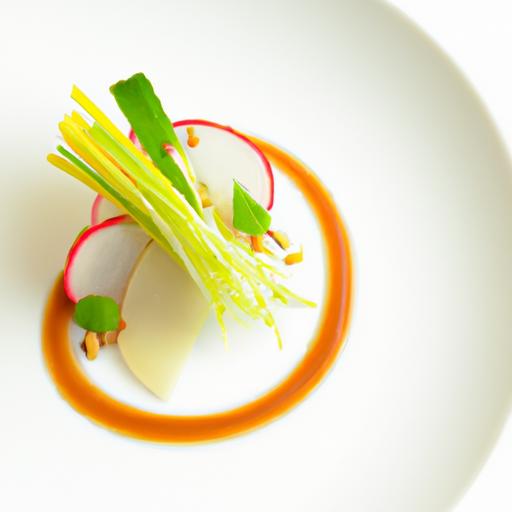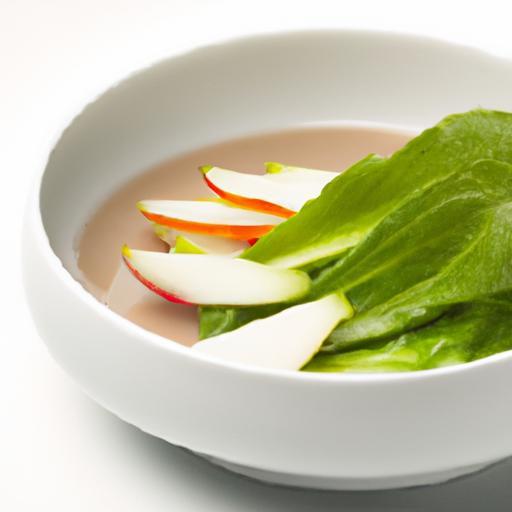

Beneath the vibrant greens of many a garden patch lies a humble root often overlooked, yet bursting with subtle charm- the daikon radish. This crisp, pale treasure of the earth has quietly carved its niche in kitchens and cultures around the world. With its mild, refreshing bite and remarkable versatility, daikon invites both the curious cook and the seasoned chef to explore a world of flavors that’s as wholesome as it is intriguing. Join us on a journey to discover the story, the benefits, and the culinary magic of daikon radish-nature’s understated gem waiting to add crunch and character to your table.
Discovering Daikon Radish: Nature’s Crisp, Mild Treasure
Discovering Daikon Radish unlocks a fresh and versatile ingredient celebrated not only for its delicate crunch and subtly sweet flavor but for its rich history and remarkable nutritional profile. Originating in East Asia, this elongated white root has carved its place in kitchens worldwide as both a culinary staple and wellness powerhouse.
The Origins and Cultural Significance of Daikon Radish
Daikon radish has deep roots in Asian agriculture, particularly in Japan, China, and Korea, where it symbolizes nourishment, purity, and vitality. Historically cultivated for over a thousand years, daikon was revered for its ability to cleanse the palate and aid digestion, showing up in traditional meals from Korean kimchi to Japanese oden.
In Japan, daikon’s cultural importance shines during the New Year celebrations, where it features in symbolic dishes believed to bring prosperity and renewal. Its presence in temple meals and rural cuisines points to daikon being much more than just a vegetable-it’s a bridge connecting generations through food.
Nutritional Benefits That Make Daikon a Superfood
Discovering Daikon Radish reveals a nutritional gem loaded with enzymes that boost digestion, antioxidants that fight inflammation, and an abundance of vitamin C to supercharge immunity. Low in calories but rich in fiber, potassium, and folate, daikon supports heart health and detoxification. This root is also linked with promoting healthy skin and balancing blood pressure, making it a truly holistic superfood choice for anyone seeking vibrant health.
Creative Culinary Uses to Elevate Your Meals
From crisp slaws to warming soups, daikon radish’s mild flavor and crunchy texture add freshness and balance to any dish. Try it pickled for a tangy burst on sandwiches or shredded raw into salads for vibrant color and bite. Cooking techniques like roasting or braising unlock its natural sweetness, while grating it into batter creates irresistibly moist fritters. In Asian cuisine, daikon shines in simmered broths and as a cooling contrast in spicy dishes. Its versatility invites chefs to experiment and elevate even the simplest recipes.
Expert Tips for Selecting and Storing Fresh Daikon
When selecting daikon, look for firm, smooth skin without blemishes or cracks and a crisp, dense texture that snaps when bent gently. Smaller or medium-sized roots tend to be sweeter and less fibrous. Store daikon wrapped in a damp paper towel inside a perforated plastic bag in the crisper drawer to maintain moisture and freshness for up to two weeks. Avoid yellowing or softness, which indicates aging. Preparation tip: peel only if skin is tough, as the thin outer layer holds many nutrients.
Prep and Cook Time
- Preparation: 15 minutes
- Cooking: 20 minutes
- Total Time: 35 minutes
Yield
Serves 4
Difficulty Level
Easy
Ingredients
- 1 large daikon radish (about 12 inches, peeled and julienned)
- 2 tablespoons sesame oil
- 3 cloves garlic, minced
- 1 teaspoon fresh ginger, grated
- 2 tablespoons low-sodium soy sauce
- 1 tablespoon rice vinegar
- 1 teaspoon honey or maple syrup
- 1 scallion, thinly sliced for garnish
- 1 tablespoon toasted sesame seeds
- 1 fresh red chili, thinly sliced (optional for heat)
Instructions
- Prep the daikon: Peel the daikon radish with a vegetable peeler if desired. Julienne it into thin matchstick strips, about 2 inches long.
- Heat sesame oil: In a medium skillet over medium heat, warm the sesame oil. Add the minced garlic and grated ginger. Sauté until fragrant, about 1-2 minutes, taking care not to burn.
- Cook daikon gently: Add the julienned daikon to the skillet and toss to coat with the aromatics. Sauté for 5-7 minutes until slightly tender but still crisp, stirring occasionally.
- Season: Stir in the soy sauce, rice vinegar, and honey. Cook for another 2 minutes to meld flavors. Adjust seasoning to taste; add salt or more soy sauce if needed.
- Garnish and serve: Remove from heat and transfer to a serving dish. Sprinkle with sliced scallions, toasted sesame seeds, and red chili slices if using for a pop of color and subtle heat.
Tips for Success
- Variation: Swap sesame oil with neutral vegetable oil and add 1 teaspoon of chili oil for a spicy twist.
- Make ahead: Prepare the sautéed daikon up to a day in advance; reheat gently before serving to maintain crunch.
- Substitute: If daikon is unavailable, try kohlrabi or jicama for a similar refreshing crunch.
- Texture tip: Avoid overcooking to keep the daikon’s signature crisp texture intact.
Serving Suggestions
Serve this vibrant sautéed daikon side dish alongside grilled fish or tofu for a balanced meal. It pairs beautifully with jasmine rice or soba noodles. Garnishing with fresh cilantro or a squeeze of lime can add an uplifting citrus brightness. For an appetizer, serve chilled with a drizzle of ponzu sauce and edible flowers to amplify visual appeal.
| Nutrient | Per Serving |
|---|---|
| Calories | 70 |
| Protein | 2g |
| Carbs | 10g |
| Fat | 4g |

For more inspiration on how to incorporate this exceptional ingredient into your cooking, explore our Asian Vegetables Guide. To deepen your understanding of daikon’s health benefits, visit the Healthline Daikon Nutrition Profile.
Q&A
Q&A: Discovering Daikon Radish: Nature’s Crisp, Mild Treasure
Q1: What exactly is a daikon radish?
A1: The daikon radish is a long, white root vegetable beloved in many Asian cuisines. Often described as a mild, crunchy cousin of the peppery red radish, daikon boasts a subtle sweetness and a refreshing crispness that makes it an incredibly versatile ingredient.
Q2: Where does daikon radish come from?
A2: Originating in East Asia, particularly Japan, China, and Korea, daikon has been cultivated for centuries. Its name “daikon” literally means “big root” in Japanese, reflecting its impressive size and stature in the world of root vegetables.
Q3: What makes daikon radish special compared to other radishes?
A3: Unlike its fiery red counterparts, daikon offers a gentle, almost creamy flavor without overpowering heat. Its tender texture stays crisp even after cooking, adapting beautifully to soups, stews, pickles, and raw preparations, making it a culinary chameleon.
Q4: How can you eat daikon radish?
A4: The options are vast! You can shred it raw into salads for a crunchy zing, julienne it for pickles, simmer it in broths to absorb rich flavors, or roast it to bring out its natural sweetness. Daikon’s subtlety invites creativity in the kitchen.
Q5: Are there any health benefits to eating daikon?
A5: Absolutely! Daikon is low in calories but packed with vitamins C and B6, potassium, and digestive enzymes. It’s known to support digestion, boost the immune system, and even aid in detoxification, making it a healthy, refreshing addition to any meal.
Q6: How do you select and store daikon radish?
A6: Look for firm, smooth-skinned daikons without cracks or blemishes. The leaves, if attached, should be fresh and vibrant (you can eat those too!). Store daikon in the refrigerator, wrapped in a damp towel or plastic, where it can stay fresh for up to two weeks.
Q7: Can beginners cook with daikon radish?
A7: Definitely! Daikon is incredibly forgiving and easy to use. Its mildness offers a gentle introduction to radishes, and simple recipes like daikon slaw or steamed daikon with soy sauce are quick wins for novice cooks eager to explore new flavors.
Q8: Any fun facts about daikon radish?
A8: Daikon isn’t just food-it’s also woven into cultural traditions! In Japan, it’s a symbol of good luck and longevity. Plus, its name has inspired everything from fashion brands to art projects, all celebrating this humble yet fascinating root.
Discovering daikon radish truly unearths a crisp, mild treasure from nature’s pantry, ready to brighten dishes and nourish bodies across the globe.
Future Outlook
As we peel back the layers of the daikon radish, this unassuming root reveals itself as much more than a humble garden staple. Its crisp texture and mild, subtly sweet flavor invite a world of culinary exploration, while its nutritional virtues quietly support our well-being. Whether gracing an Asian stir-fry, pickling in vibrant brines, or lending freshness to a simple salad, the daikon stands as nature’s crisp, mild treasure-ready to surprise and delight at every bite. So next time you wander the produce aisle, let the daikon radish inspire you to discover a new dimension of taste and health, rooted in the earth and bursting with possibilities.