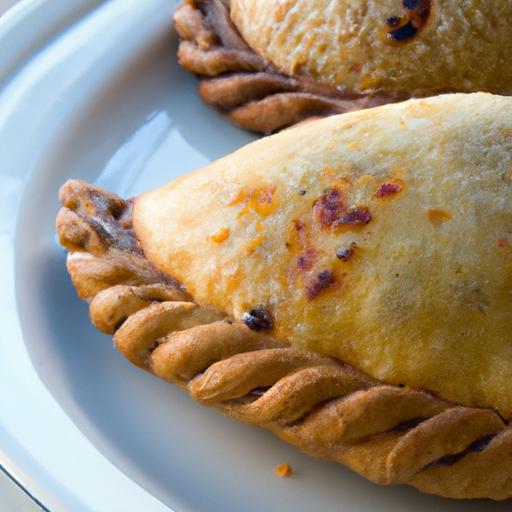

In the vibrant tapestry of South American cuisine, few dishes spark as much spirited conversation as the beloved empanada and its fiery cousin, the salteña. Both are handheld marvels bursting with savory fillings, each carrying centuries of history, culture, and regional pride within their golden crusts. But what truly sets these two apart? Is it the ingredients, the method, or perhaps the story they tell about the people who cherish them? Join us as we unravel the delicious debate between empanadas and salteñas-a culinary journey that explores tradition, flavor, and the irresistible pull of these iconic pastries.
Origins and Traditions Behind Empanadas and Salteñas
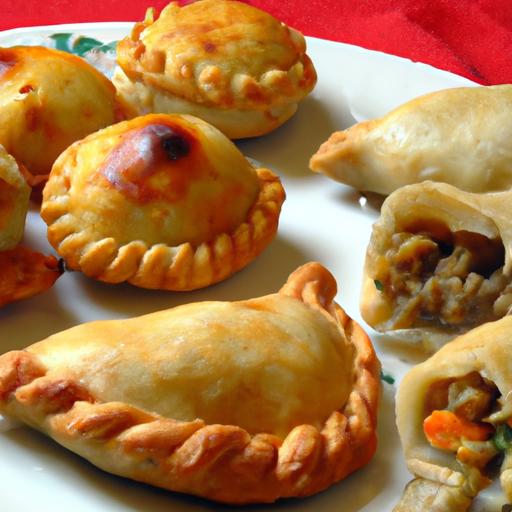
Empanadas vs. Salteñas: Unraveling South America’s Savory Debate begins with an exploration of their rich cultural roots, which perfectly mirror the diverse culinary heritage of the continent. Empanadas, originating from Spanish and Portuguese influences, are beloved throughout South America as a portable, filled pastry that carries the soul of family recipes and festive celebrations. Salteñas, hailing from Bolivia’s northern region of Salta, shine with their vivid blend of sweet, savory, and slightly spicy flavors encapsulated in a uniquely juicy filling sealed within a delicate yet sturdy dough.
These iconic snacks have been passed down through generations, each bite telling a story of regional pride, traditional markets, and home kitchens filled with laughter. Whether you savor the hearty, baked comfort of classic empanadas or the luscious, soupy center of the traditional salteñas, you are engaging with a culinary tradition that is as much about community as it is about flavor.
Prep and Cook Time
Preparation Time: 30 minutes | Cooking Time: 25 minutes | Total Time: 55 minutes
Yield
Serves 6-perfect for a family gathering or sharing with friends over a casual weekend feast.
Difficulty Level
Medium-ideal for adventurous cooks comfortable with dough handling and intricate fillings.
Ingredients
- 2 cups all-purpose flour, sifted
- ½ cup unsalted butter, chilled and cubed
- ⅓ cup cold water
- 1 tsp salt
- 1 lb ground beef or chicken
- 1 small onion, finely chopped
- 2 cloves garlic, minced
- 1 medium potato, peeled and diced
- ½ cup green olives, chopped
- ¼ cup raisins (optional, for Salteñas)
- 1 tsp cumin powder
- 1 tsp paprika
- ½ tsp chili powder (adjust to taste)
- 1 hard-boiled egg, chopped
- Salt and pepper to taste
- 1 egg, whisked (for egg wash)
Instructions
- Prepare the dough: In a large bowl, combine the flour and salt. Cut in the chilled butter using a pastry cutter or fingers until the mixture resembles coarse crumbs. Gradually add cold water and knead gently until the dough forms a smooth ball. Cover with plastic wrap and refrigerate for 30 minutes.
- Cook the filling: In a skillet over medium heat, sauté the chopped onion and garlic until translucent, about 3 minutes. Add ground meat, breaking it up as it cooks, until browned. Stir in diced potatoes, cumin, paprika, chili powder, salt, and pepper, cooking for 10 minutes until potatoes soften.
- Add unique fillings: Mix in olives, raisins (for Salteñas), and chopped hard-boiled egg. Let the filling cool to room temperature to ensure easy handling.
- Assemble the pastries: Roll dough out on a floured surface to ⅛ inch thickness. Cut into 5-inch circles. Spoon 2 tablespoons of filling onto the center of each circle.
- Seal and shape: Fold dough over the filling to create a half-moon shape. Crimp edges by folding and pinching to create the signature ridged pattern, ensuring a tight seal, especially important for juicy Salteñas.
- Apply egg wash: Brush each pastry lightly with whisked egg for a golden finish.
- Bake: Preheat oven to 375°F (190°C). Place empanadas/salteñas on a parchment-lined baking sheet. Bake for 20-25 minutes or until golden brown and puffed.
Chef’s Notes and Tips for Success
When navigating the Empanadas vs. Salteñas: Unraveling South America’s Savory Debate, remember that the secret to an outstanding salteña lies in its juicy filling. Add a bit of gelatin or broth reduction to the meat blend to replicate the luscious stew-like interior. For a vegetarian twist, substitute the meat with a savory mix of sautéed mushrooms, bell peppers, and cheese. Giving your dough a rest in the refrigerator is crucial for elasticity that yields flaky, tender crusts. Always use cold butter and water to promote flakiness.
To prevent soggy bottoms, bake on a preheated thick baking stone or place the tray in the lower third of your oven. If you’re short on time, fillings can be prepared ahead and stored refrigerated up to 24 hours.
Serving Suggestions
Delight in these savory gems alongside a fresh green chimichurri sauce or zingy aji amarillo salsa for authentic South American zest. Serve hot or warm on a rustic wooden board garnished with fresh cilantro and thinly sliced red onions pickled in lime juice. A chilled glass of mate tea complements the spices beautifully, capturing the essence of tradition in every bite.

Nutritional Information (per serving)
| Nutrient | Empanada | Salteña |
|---|---|---|
| Calories | 320 kcal | 350 kcal |
| Protein | 18 g | 20 g |
| Carbohydrates | 30 g | 32 g |
| Fat | 15 g | 17 g |
Dive deeper into South American culinary staples with our Latin American Street Food Guide, perfect for expanding your gastronomic adventure beyond empanadas and salteñas.
Q&A
Q&A: Empanadas vs. Salteñas – Unraveling South America’s Savory Debate
Q1: What exactly are empanadas and salteñas? Are they the same thing?
A1: At first glance, empanadas and salteñas might seem like long-lost culinary cousins-both are stuffed pastries, both golden and inviting. But here’s the twist: empanadas are a broad category of baked or fried hand pies popular throughout South America, featuring endless regional fillings and dough styles. Salteñas, on the other hand, are Bolivia’s celebrated take on this concept, famous for their juicy, stew-like meat filling sealed inside a slightly sweet, pillowy pastry. So, while all salteñas are empanadas, not all empanadas are salteñas.
Q2: What sets salteñas apart from other empanadas?
A2: The hallmark of a salteña is its “sopa” – a succulent, spicy juice that bursts forth when you bite into it. This juicy interior is what makes salteñas a delightful challenge to eat gracefully. Additionally, salteñas are subtly sweet in their dough and often include ingredients like potatoes, peas, and a hint of cumin or paprika. Empanadas, by contrast, have a vast range of fillings from beef, chicken, cheese, vegetables, and often are drier and easier to handle.
Q3: Are empanadas and salteñas enjoyed differently across South America?
A3: Absolutely! Empanadas are like the continent’s versatile street snack-stuffed with local flavors from Argentina’s smoky beef to Chile’s seafood specialties, often accompanied by chimichurri or salsa. Salteñas are more of a breakfast or mid-morning treat in Bolivia, eaten warm and often enjoyed with a bit of spicy sauce or a cold drink to balance their richness. Their juicy nature means you usually eat them faster-and with more care!
Q4: Which is healthier, the empanada or the salteña?
A4: That depends largely on the filling and preparation. Empanadas can be fried or baked, and stuffed with anything from vegetables to rich meats. Salteñas are traditionally baked and packed with a hearty meat and vegetable stew, which can be calorie-dense due to its juicy filling and sweeter dough. If you’re after a lighter bite, some empanadas lean towards lean meats and less sugary dough. But in the realm of indulgent comfort foods, both bring their own balanced deliciousness.
Q5: How did empanadas and salteñas originate?
A5: Empanadas trace their roots back to the Iberian Peninsula, brought to South America by Spanish colonizers, where they evolved with local ingredients and techniques into countless regional versions. Salteñas, meanwhile, originated in the Bolivian city of Salta (though still a subject of some debate), evolving into their uniquely juicy style during the early 20th century. Both represent culinary adaptation-a marriage of tradition, geography, and culture wrapped in dough.
Q6: Can one type replace the other in a recipe or meal?
A6: While tempting, swapping salteñas for empanadas-or vice versa-means trading texture and flavor experiences. Salteñas’ juicy filling doesn’t hold up well if baked too long or made too dry, while typical empanadas lack the luscious broth inside. For the authentic taste, it’s best to celebrate each on its own terms, savoring their unique mouthfuls of South American heritage.
Q7: Where should a traveler going to South America try these delights?
A7: For quintessential empanadas, Argentina’s bustling streets-especially Buenos Aires-offer unbeatable variety and craftsmanship. For salteñas, head straight to La Paz or Sucre in Bolivia, where early mornings are filled with the aroma of freshly baked, steaming salteñas sold from street carts. Both are must-try destinations for any food lover seeking to understand South America’s savory soul.
Q8: What’s the ultimate takeaway in this empanada vs. salteña debate?
A8: It’s less a rivalry and more a celebration of South America’s rich culinary tapestry. Empanadas showcase vibrant diversity across countries, while salteñas celebrate a singular, juicy tradition. Whether you prefer the versatile empanada or the succulent salteña, both offer a delicious portal into the continent’s culture, history, and love of flavor-wrapped neatly in a comforting dough hug.
To Wrap It Up
As the aromas of cumin and ají fade into the evening air, the debate between empanadas and salteñas reminds us that South America’s culinary treasures are as vibrant and varied as its landscapes. Whether you favor the crispy, savory pockets filled with regional flair or the juicy, spicy pastries bursting with character, both empanadas and salteñas tell stories of tradition, community, and flavor. In unraveling this delicious rivalry, we uncover more than recipes-we glimpse the heart of a continent where every bite is a celebration. So, next time hunger calls, why not honor the debate by savoring both? After all, in South America, good taste is always a winner.