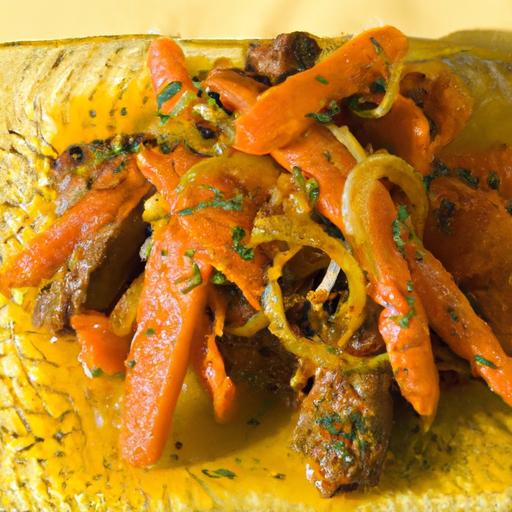

In the vibrant tapestry of North African cuisine, Libyan Asida stands out as a cherished emblem of tradition and flavor. This humble yet hearty dish, often enjoyed during festive gatherings and family celebrations, invites you to experience a taste of Libya’s rich cultural heritage. But what if you could elevate this time-honored recipe with a modern twist? Enter the zesty rub – a bold, aromatic blend that enhances Asida’s unassuming texture with layers of vibrant spice and warmth. In this article, we journey beyond the basics to master Libyan Asida, revealing the secrets to perfecting its silky consistency and infusing it with a refreshing zest that awakens the palate. Whether you’re a culinary adventurer or a lover of authentic flavors, prepare to transform a classic staple into a thrilling sensory experience.
Mastering Libyan Asida is a journey through rich traditions and textures that connect you deeply with North African culinary heritage. This cherished dish, known for its warm, doughy embrace and subtle earthiness, has been a staple at Libyan tables for centuries. Often served during festive gatherings or family meals, Asida’s cultural significance lies in its embodiment of hospitality, community, and comfort. Paired with a vibrant, zesty rub, this traditional dish is elevated to an exceptional experience-infusing bright citrus and aromatic spices that awaken every bite.
Prep and Cook Time
- Preparation: 15 minutes
- Cooking: 20 minutes
- Total Time: 35 minutes
Yield
Serves 4 generous portions
Difficulty Level
Medium – Ideal for cooks looking to master traditional techniques with a modern twist
Ingredients
- 2 cups whole wheat flour, sifted for smoothness
- 3 cups water, heated
- 1 teaspoon salt
- 2 tablespoons olive oil, plus extra for greasing
- Zesty Rub:
- 2 tablespoons lemon juice, freshly squeezed
- 1 teaspoon ground cumin
- 1 teaspoon smoked paprika
- 1/2 teaspoon ground coriander
- 1 garlic clove, minced
- 1/4 teaspoon cayenne pepper (adjust for heat preference)
- 2 tablespoons olive oil
- Fresh parsley, finely chopped for garnish
Instructions
- Heat the Water: In a medium saucepan, bring the water and salt to a gentle boil over medium heat.
- Prepare the Flour: Slowly add the sifted whole wheat flour into the boiling water in small batches, stirring continuously with a wooden spoon or a whisk to avoid lumps.
- Cook the Dough: Reduce heat to low and continue stirring. The mixture will gradually thicken and start pulling away from the sides of the pot, forming a dense dough-this takes about 10-12 minutes. Keep the stirring rhythmic to ensure an even, smooth texture.
- Shape and Rest: Transfer the thickened dough onto a greased flat surface or a large wooden board. Wet your hands and shape the dough into a dome-shaped mound, smoothing the surface. Allow it to rest for 5 minutes under a clean cloth.
- Prepare the Zesty Rub: Mix lemon juice, cumin, smoked paprika, ground coriander, minced garlic, cayenne pepper, and olive oil in a small bowl. Adjust seasoning to taste. This rub will add a bright, spicy contrast to the mellow Asida.
- Serve and Rub: Place the Asida dome on a serving plate. Using a spoon or your hand, drizzle the zesty rub generously over the top, allowing some to pool slightly around the base.
- Garnish and Enjoy: Sprinkle freshly chopped parsley over the dish for a vibrant finish and serve immediately with warm sides like honey, date syrup, or spicy tomato sauce.
Tips for Success
- Consistency is key: The dough should feel dense yet pliable-not too wet or dry, so adjust flour or water in small increments if needed.
- Stir with care: Use a wooden spoon or spatula to maintain the traditional feel and to evenly cook the dough without tearing it.
- Zesty rub variations: Experiment by adding fresh ginger or a pinch of turmeric for an added layer of complexity.
- Make ahead: Asida can be prepared earlier and gently reheated for a few minutes in a steamer to refresh its softness.
- Presentation tip: Serve Asida with small bowls of spicy chili oil or rich olive paste on the side to complement the zesty rub.
Serving Suggestions
Libyan Asida shines best when accompanied by warm, aromatic sides. Pair it with rich lamb stew, roasted vegetables, or a fresh salad with lemon and mint. Traditional honey or date syrup drizzled atop can also offer a delightful sweet contrast to the zesty spice. For an inviting table, garnish with a sprinkle of toasted sesame seeds or a scattering of pomegranate arils for both color and texture.
| Nutrient | Per Serving |
|---|---|
| Calories | 280 kcal |
| Protein | 7 g |
| Carbohydrates | 55 g |
| Fat | 5 g |
Discover more traditional Libyan recipes to enhance your culinary journey. For an in-depth cultural insight on Middle Eastern grains and their significance, visit Britannica’s Asida page.

Q&A
Q&A: Mastering Libyan Asida – Traditional Recipe with Zesty Rub
Q1: What is Asida, and why is it significant in Libyan cuisine?
A1: Asida is a cherished traditional Libyan dish, often described as a hearty, comforting porridge made from semolina or durum wheat flour. It holds cultural significance as a celebratory meal during festivals, family gatherings, and special occasions, symbolizing hospitality and communal unity.
Q2: What are the key ingredients that make Libyan Asida unique?
A2: At its core, Asida features finely ground semolina cooked to a smooth, dough-like consistency. What makes the Libyan version stand out is the zesty rub-a vibrant blend of spices and herbs that adds a tangy, aromatic flair, awakening the palate in every bite.
Q3: Could you describe the process of preparing Asida?
A3: Mastering Asida begins with boiling water and gradually whisking in semolina to avoid lumps, stirring vigorously until a thick, elastic dough forms. Traditionally, it’s shaped into a mound on a serving plate, creating a hollow center for the zesty rub or sauces. The final flourish is the zesty rub, generously spooned into the core, ready to be mixed and savored.
Q4: What exactly is the “Zesty Rub,” and how does it enhance the dish?
A4: The zesty rub is a lively concoction of lemon juice, garlic, cumin, chili flakes, and fresh herbs like cilantro or parsley. This blend infuses Asida with layers of brightness and heat, cutting through the creamy texture and elevating the humble dish to a memorable flavor experience.
Q5: Are there any traditional accompaniments served with Asida?
A5: Absolutely! Asida is often paired with warm honey or date syrup for a sweet contrast, or with savory stews such as spicy lamb or vegetable-based sauces. The versatility of Asida allows it to complement both sweet and savory flavors, making it a staple across various Libyan meals.
Q6: How can a beginner ensure success when making Asida at home?
A6: Patience and attention to stirring are key. Use a sturdy whisk or wooden spoon to vigorously stir the semolina in boiling water, preventing lumps and achieving that perfect elastic texture. Don’t rush the cooking process-allow the mixture to thicken slowly, and finally, have your zesty rub ready to add instant excitement.
Q7: Can Asida be adapted for modern tastes or dietary needs?
A7: Certainly! While traditional Asida calls for semolina, alternative flours like whole wheat or gluten-free blends can be used with adjusted cooking times. The zesty rub can also be customized-reducing chili for a milder touch or incorporating different herbs to reflect personal preferences, ensuring this time-honored dish remains accessible and delightful for all.
Q8: Why should food lovers around the world try making Libyan Asida?
A8: Libyan Asida is more than a dish-it’s a cultural emblem that invites you to experience warmth, tradition, and bold flavors in every bite. By mastering it, food lovers embark on a culinary journey that honors heritage while embracing creativity, making it a rewarding endeavor for any kitchen adventurer.
In Retrospect
As you embark on your culinary journey mastering Libyan Asida with its vibrant zesty rub, you’re not just cooking-you’re weaving together centuries of tradition and flavor. This humble yet hearty dish invites you to experience the soul of Libyan hospitality, where every bite tells a story of community, celebration, and heritage. Whether served at a festive gathering or enjoyed in quiet reflection, Asida connects the past and present on your plate. So gather your ingredients, embrace the rhythm of the recipe, and let each mouthful transport you to the heart of Libya’s rich culinary landscape-where simplicity meets zest in perfect harmony.