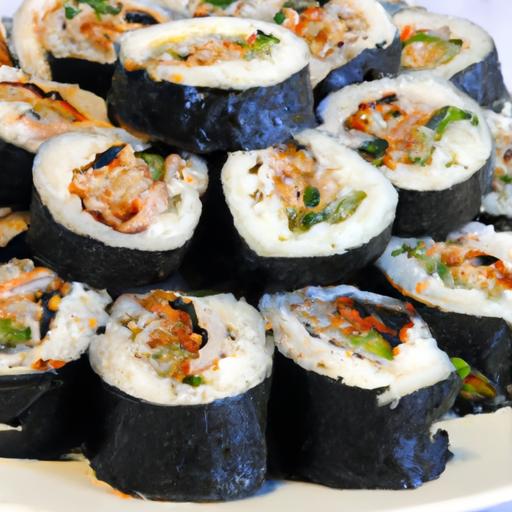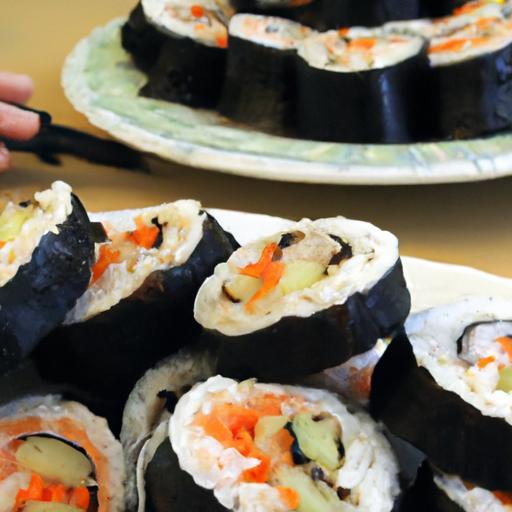

In the vibrant tapestry of Korean cuisine, few dishes capture the heart and history of a culture quite like kimbap. Often mistaken for sushi by the uninitiated, kimbap is a uniquely Korean culinary treasure-rolled with precision, brimming with colorful, flavorful ingredients, and wrapped in a cozy seaweed embrace. Whether enjoyed as a picnic favorite, a quick lunch, or a comforting snack, mastering the art of authentic kimbap opens a window into Korea’s rich food traditions and its celebration of balance and harmony. This step-by-step guide is your passport to crafting perfect kimbap at home, where each roll tells a story of texture, taste, and time-honored technique. Get ready to roll up your sleeves and embark on a delicious journey to authentic Korean flavors!
Mastering Authentic Korean Kimbap begins with selecting fresh, high-quality ingredients that bring out the vibrant flavors and textures unique to this beloved Korean dish. Originating as a convenient meal for picnics and celebrations, kimbap combines simple staples like rice, seaweed, and colorful fillings, rolled into perfect, bite-sized slices. My personal journey with kimbap started in a bustling Seoul market, tasting rolls made with crisp vegetables and savory proteins that inspired me to recreate that harmony at home. Today, we’ll explore the essential ingredients and professional rolling techniques that will elevate your homemade kimbap into an authentic culinary masterpiece.
Prep and Cook Time
- Preparation: 30 minutes
- Cooking: 20 minutes
- Total Time: 50 minutes
Yield
Serves 4 (approximately 16 kimbap slices)
Difficulty Level
Medium – ideal for cooks with some basic rolling and chopping experience
Ingredients
- 2 cups short-grain sushi rice, rinsed and cooked
- 2 ½ cups water
- 3 sheets dried gim (seaweed), shiny side up
- 1 tablespoon sesame oil
- 1 tablespoon rice vinegar
- 1 teaspoon salt
- 4 large eggs, beaten
- 7 ounces beef bulgogi, marinated and thinly sliced
- 1 medium carrot, julienned
- 1 cucumber, julienned, seeds removed
- 3 stalks scallions, finely chopped
- 4 pickled radish strips (danmuji), sliced into long strips
- 2 tablespoons sesame seeds, toasted
- 1 tablespoon vegetable oil, for sautéing
- Additional salt and pepper, to taste
Instructions
- Prepare the rice: After rinsing the rice until the water runs clear, combine with 2 ½ cups of water in a rice cooker. Once cooked, transfer to a large bowl and season with sesame oil, rice vinegar, and salt. Fold gently to cool slightly while maintaining fluffy texture.
- Make the egg omelet: Heat a nonstick pan over medium heat with a teaspoon of vegetable oil. Pour in beaten eggs and cook slowly into a thin omelet, about 2-3 minutes per side. Remove, cool, and slice into long strips.
- Sauté the vegetables: Briefly sauté the carrot and scallions in a lightly oiled skillet, seasoning with a pinch of salt and pepper. The vegetables should remain crisp and vibrant-avoid overcooking.
- Cook the bulgogi: In the same pan, cook marinated bulgogi until just browned and tender, about 4-5 minutes. Set aside to cool.
- Assemble your rolling station: Lay a bamboo sushi mat on a flat surface, wrapping it in plastic wrap for easy cleaning. Place one sheet of gim shiny side down on the mat.
- Spread the rice: Using wet hands, evenly spread a thin, uniform layer of rice over the seaweed, leaving a 1-inch margin at the top edge for sealing.
- Add fillings: Layer egg strips, bulgogi, sautéed carrots, cucumber, pickled radish, and a sprinkle of toasted sesame seeds in the center of the rice layer, running lengthwise.
- Roll the kimbap: Lift the edge of the bamboo mat closest to you and carefully fold it over the filling, pressing gently but firmly. Continue rolling away from you, applying even pressure to create a tight, cylindrical shape. Seal the edge using the bare seaweed margin.
- Slice and serve: Using a sharp, dampened knife, cut the roll into 1-inch thick slices. Wipe the knife clean between cuts for clean edges.
Tips for Success: Perfecting Your Kimbap
- Ingredient Freshness: Crisp vegetables contrast beautifully with chewy rice; always use fresh produce, preferably organic.
- Rice Texture: Achieving slightly sticky yet fluffy rice is key. Avoid packing the rice too densely on the nori.
- Rolling Technique: Consistency is crucial. Use the bamboo mat to apply gentle, even pressure-rolling too tightly can burst the roll, too loosely causes it to fall apart.
- Make-Ahead: Prepare fillings in advance, but roll kimbap just prior to serving to maintain freshness.
- Protein Variations: Substitute bulgogi with crab stick, tofu, or even grilled chicken for different flavor profiles.
Serving Suggestions
Kimbap is traditionally served with a side of danmuji (yellow pickled radish) and a dipping sauce such as soy sauce mixed with a touch of sesame oil and chili flakes. Garnish your plate with extra toasted sesame seeds and a few sprigs of fresh scallions for a vibrant presentation. For an authentic touch and added umami, serve alongside a small bowl of Korean radish soup as a palate cleanser.
| Nutrition | Per Serving |
|---|---|
| Calories | 310 kcal |
| Protein | 15 g |
| Carbohydrates | 45 g |
| Fat | 6 g |

For those eager to explore more Korean-inspired dishes, check out our detailed guide on Authentic Korean Bulgogi, a perfect companion to your kimbap feast. Additionally, learn about the health benefits of fermented seaweed at WebMD’s seaweed nutrition overview, enriching your culinary knowledge.
Q&A
Q&A: Mastering Authentic Korean Kimbap – A Step-by-Step Guide
Q1: What exactly is kimbap, and why is it so beloved in Korean cuisine?
A: Kimbap, often described as Korean sushi, is a vibrant and flavorful rice roll wrapped in seaweed. Unlike Japanese sushi, kimbap typically features cooked ingredients like seasoned vegetables, egg, and bulgogi, making it a fulfilling and accessible meal. Its portability and balance of textures have made it a picnic favorite and a staple of Korean street food culture.
Q2: How does authentic Korean kimbap differ from variations I might find internationally?
A: Authentic kimbap emphasizes a harmony of mild, seasoned rice with fresh, often pickled vegetables, tender proteins like crab stick or beef, and a slightly toasted seaweed wrap. While variations abroad might include cream cheese or avocado, traditional recipes stick to classic fillings like danmuji (yellow pickled radish), spinach, and eggs-each adding a distinct layer of flavor and texture.
Q3: What are the essential ingredients for making traditional kimbap at home?
A: You’ll need short-grain white rice seasoned lightly with sesame oil and salt, sheets of roasted seaweed (gim), danmuji, thinly sliced cucumbers, cooked spinach, eggs (turned into a thin omelet), and a protein choice such as seasoned beef, crab sticks, or fish cake. Sesame seeds and additional sesame oil are perfect finishing touches that elevate the flavors.
Q4: Can you walk me through the step-by-step process of assembling kimbap?
A: Absolutely!
- Prepare the rice: Cook rice until sticky and fluff it with sesame oil and salt.
- Cook and slice ingredients: Fry eggs into thin sheets and cut them into strips; blanch spinach and season it; julienne cucumbers and danmuji; cook your protein and slice thinly.
- Lay out your seaweed sheet: Place it shiny side down on a bamboo rolling mat.
- Spread the rice evenly: Use wet hands to spread a thin, even layer of rice over about three-quarters of the seaweed, leaving the top edge clear.
- Arrange your fillings: Line them neatly across the middle of the rice.
- Roll tightly: Use the bamboo mat to roll from the bottom, applying gentle pressure to keep the roll firm.
- Slice and serve: Use a sharp knife to cut the roll into bite-sized pieces, wiping the knife clean between cuts to keep the slices neat.
Q5: What tips can help ensure my kimbap rolls are tight, neat, and bursting with flavor?
A: Moist but not soggy rice is key-too wet and the seaweed can tear; too dry and the roll won’t stick. Keep your fillings thin and evenly distributed to avoid lumps. A light brush of sesame oil over the finished roll adds sheen and aroma. Lastly, using a bamboo rolling mat helps apply even pressure, ensuring every bite holds together perfectly.
Q6: Are there any regional variations of kimbap I should experiment with?
A: Definitely! Some regions like Busan favor seafood fillings, adding spicy pickled radish or even squid. Others might incorporate cheese or kimchi for a modern twist. Once you master the basic roll, feel free to experiment with ingredients that match your palate while honoring the delicate balance of textures and flavors.
Q7: How can kimbap fit into a healthy eating routine?
A: Kimbap is naturally balanced, combining carbohydrates, proteins, and plenty of vegetables. By controlling the amount of oil and salt and opting for lean proteins or tofu, kimbap can be a nutritious, satisfying meal that supports an active lifestyle. Plus, it encourages portion control since it’s served in neat, manageable slices.
Q8: What’s the best way to store leftover kimbap without compromising taste or texture?
A: Kimbap is best eaten fresh, but if you need to store it, wrap tightly in plastic wrap and refrigerate for up to a day. Avoid freezing as seaweed and rice texture change dramatically. To freshen it up, let the roll sit at room temperature for 10-15 minutes after refrigeration before slicing to help reduce chill and stiffness.
Mastering kimbap is not just about following a recipe-it’s an art of balance and simplicity. With these answers, you’re well on your way to crafting rolls that taste authentically Korean and impress anyone lucky enough to share your table. Happy rolling!
To Conclude
As you wrap up your final roll and slice through that vibrant, seaweed-wrapped treasure, remember: mastering authentic Korean kimbap is more than just assembling ingredients-it’s embracing a culinary tradition rich with history and heart. With each perfectly rolled bite, you’re not just tasting flavors; you’re savoring the stories and care woven into every grain of rice and strip of pickled radish. So, whether you’re crafting kimbap for a quick snack or a festive gathering, let this step-by-step guide be your trusted companion on a delicious journey. Now, roll up your sleeves, ignite your creativity, and bring a little taste of Korea into your kitchen-one slice at a time.