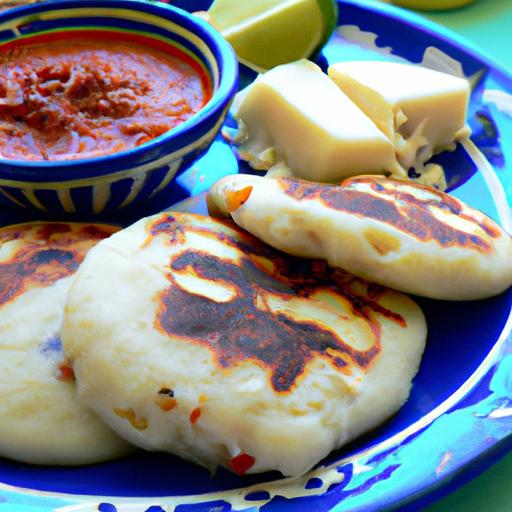

In the heart of Central American cuisine lies a golden treasure: the pupusa. This humble yet flavorful stuffed corn cake is more than just a dish-it’s a cultural emblem, a comfort food, and a celebration of tradition. At the foundation of every perfect pupusa is its masa, the dough that transforms simple corn flour into a tender, pliable canvas for savory fillings. But crafting authentic pupusa masa from scratch is an art form in itself, one that calls for attention to detail, an understanding of time-honored techniques, and a reverence for ingredients rooted deeply in history. Join us as we dive into the mesmerizing world of masa-making, unlocking tips and secrets that will elevate your pupusa-making journey from good to unforgettable.
- Prep and Cook Time
- Yield
- Difficulty Level
- Essential Ingredients for Pupusa Masa and Their Roles
- Traditional Techniques and Tools for Preparing Perfect Masa
- Step-by-Step Guide to Achieving the Ideal Dough Consistency
- Tips and Tricks for Enhancing Flavor and Texture in Homemade Pupusa Masa
- Chef’s Notes: Troubleshooting and Enhancements
- Serving Suggestions
- Q&A
- In Retrospect
Mastering the Art: Crafting Authentic Pupusa Masa from Scratch is the joyful gateway into the heart of Salvadoran culinary tradition. The soft, pliable dough is more than just a vessel for fillings-it carries centuries of cultural heritage, painstakingly perfected with each hand-formed pupusa. Whether this is your first time preparing pupusa masa or you’re eager to elevate your technique, understanding the essential ingredients, traditional tools, and the ideal dough consistency will transform your kitchen into a vibrant pupusería.
Prep and Cook Time
- Prep Time: 15 minutes
- Cook Time: 10-15 minutes per batch
- Total Time: 30 minutes
Yield
- Makes approximately 12 medium pupusas (about 6 inches in diameter)
Difficulty Level
- Medium – requires attention to dough texture and shaping technique
Essential Ingredients for Pupusa Masa and Their Roles
- 2 cups masa harina (corn flour for tortillas) – This forms the structural foundation, providing authentic flavor and gluten-free elasticity essential for pupusa dough.
- 1 ½ cups warm water – Activates the masa harina, hydrating it just enough to achieve a soft, malleable consistency without stickiness.
- ½ teaspoon salt – Enhances the natural corn flavor and balances the sweetness of the masa.
- 1 tablespoon vegetable oil or melted lard (optional) – Adds moisture and a slight richness, improving pliability and tenderness in the cooked pupusa.
Traditional Techniques and Tools for Preparing Perfect Masa
The journey to perfect pupusa masa begins with the right approach. Traditionally, Salvadoran cooks employed a comal (flat griddle) and simple bowls for mixing by hand, trusting their tactile senses to gauge dough readiness. Using your hands, blend the masa harina and salt, slowly incorporating warm water until the dough is supple. An ideal dough is soft but not sticky-like the texture of a firm playdough. Adding a touch of fat, like lard or vegetable oil, is a cherished technique that lends authentic softness and depth.
While many modern kitchens use electric mixers, nothing compares to the intimacy of hand-kneading, where you can feel the nuances of moisture and texture adjusting under your fingertips. For shaping, lightly wet your hands to prevent sticking, molding small dough balls before gently flattening them to pocket your favorite fillings.
Step-by-Step Guide to Achieving the Ideal Dough Consistency
- Combine the dry ingredients. Place 2 cups masa harina and ½ teaspoon salt in a large mixing bowl; whisk to distribute evenly.
- Gradually add warm water. Pour in 1 ½ cups warm water slowly while mixing with your hands or a spoon.
- Incorporate fat for flavor and texture. At this stage, add the optional 1 tablespoon vegetable oil or melted lard and knead thoroughly to integrate.
- Knead for 3-5 minutes. Use the palm of your hand to press and fold the dough repeatedly until it becomes cohesive and springy-like a slightly firm putty.
- Adjust moisture carefully. If the dough feels dry or crumbly, add water one tablespoon at a time. If sticky, add a small pinch of masa harina.
- Rest the dough. Cover with a damp cloth and let it rest for 10 minutes to allow hydration to complete, making shaping easier.
Tips and Tricks for Enhancing Flavor and Texture in Homemade Pupusa Masa
- Use high-quality masa harina. Brands like Maseca or local Salvadoran masa make a notable difference in authenticity.
- Incorporate a pinch of baking powder. For a lighter, fluffier texture, add ¼ teaspoon during dry mixing.
- Experiment with fats. Traditional lard imparts superior aroma and softness, but extra-virgin olive oil works beautifully as a vegetarian alternative.
- Ensure warm water, not hot. Hot water cooks the dough prematurely; lukewarm water aids in proper hydration.
- Keep dough covered. Prevent drying out with a damp towel during rest and shaping phases.
- Test a small patty first. Fry a mini pupusa to check if the dough holds together well and adjust moisture accordingly.
Chef’s Notes: Troubleshooting and Enhancements
- If masa cracks or breaks when shaping, add water sparingly and knead longer.
- For a savory twist, knead in finely chopped fresh herbs like cilantro or epazote directly into the masa.
- Store extra dough wrapped tightly in plastic wrap; it will keep in the fridge for up to 24 hours.
- Always use a well-heated comal or non-stick skillet for even cooking and that cherished golden crust.
Serving Suggestions
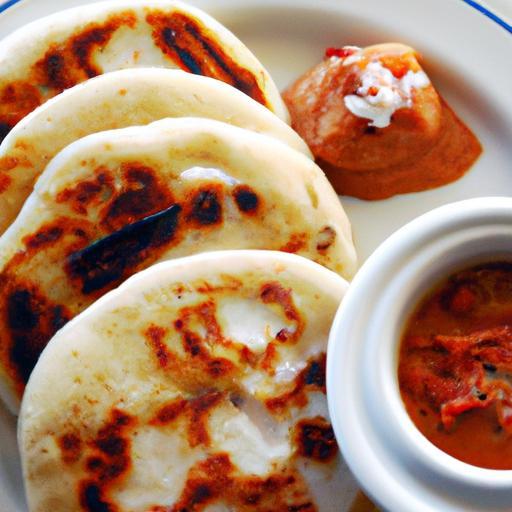
Pupusas are best enjoyed fresh off the comal, paired with traditional curtido-a zesty cabbage slaw with vinegar, carrots, and oregano-and a drizzle of tangy tomato salsa. Garnish with sliced radishes and a wedge of lime for brightness. Serve alongside a cold Salvadoran beer or a refreshing hibiscus agua fresca to complete your authentic experience. Present these pillows of masa on a rustic wooden plate or colorful talavera pottery to elevate the visual feast.

| Nutrient | Per Pupusa (approx.) |
|---|---|
| Calories | 150 kcal |
| Protein | 3 g |
| Carbohydrates | 30 g |
| Fat | 2 g |
For more in-depth history and techniques on traditional El Salvadoran dishes, visit the Savory World El Salvador page. To explore how to prepare perfect curtido as a complement, check out our Complete Guide to Curated Curtido.
Q&A
Q&A: Mastering the Art: Crafting Authentic Pupusa Masa from Scratch
Q1: What makes pupusa masa different from regular corn dough?
A: Pupusa masa is specially prepared corn dough designed to be pliable yet sturdy enough to hold fillings without cracking. Unlike regular corn dough used in tortillas, pupusa masa often involves a unique hydration process and specific grinding or blending techniques that give it a smooth, elastic texture essential for crafting the perfect pupusa.
Q2: Can I use store-bought masa harina for making authentic pupusa masa?
A: Absolutely! Masa harina is a key ingredient and the easiest base for pupusa masa. The trick is in how you hydrate and knead it, incorporating just the right amount of warm water and sometimes a pinch of salt. This customization helps you achieve the traditional elasticity and flavor. However, some purists prefer nixtamalizing their own corn kernels for a deeper, earthier taste.
Q3: What is the secret to the perfect pupusa masa texture?
A: Hydration and kneading are your best friends. The dough should be moist but not sticky, soft but firm enough to hold shape. Adding water gradually while kneading allows the starches to absorb evenly. Once the dough presses easily without cracking and springs back when poked, you’ve hit the jackpot!
Q4: How important is the corn variety in making masa for pupusas?
A: Very important! Traditional pupusas call for masa made from white or yellow dent corn treated with lime (calcium hydroxide) through nixtamalization. This process softens the kernels, improves nutrition, and enhances flavor. While many modern cooks use masa harina for convenience, sourcing quality corn or masa harina can elevate your pupusas significantly.
Q5: Can other flours or additives be combined with masa harina to enhance pupusa masa?
A: Yes! Some artisanal recipes include a small portion of rice flour or wheat flour to increase elasticity and softness. Others add a dash of oil or a pinch of baking powder for tenderness. These tweaks depend on regional preferences and personal taste, but purists stick with pure masa harina and water for authenticity.
Q6: How should pupusa masa be stored if not used immediately?
A: Fresh pupusa masa is best used right away, but if you need to store it, wrap the dough tightly in plastic wrap or place in an airtight container and refrigerate for up to 2 days. Before using, let it come to room temperature and knead lightly to restore softness. For longer storage, freezing in portions is possible but may affect texture slightly.
Q7: Any tips for beginners attempting to craft pupusa masa from scratch?
A: Start with small batches to master dough consistency. Use warm water for hydration and knead patiently. Don’t rush the process-let the dough rest for 10-15 minutes to hydrate fully before shaping. Remember, practice perfects the pupusa! Keep a bowl of water nearby to wet your hands, preventing the dough from sticking as you shape each pupusa.
Q8: What are the essential tools for making pupusa masa at home?
A: A good mixing bowl, a sturdy spoon or your hands for kneading, a tortilla press (optional but helpful), and plastic wrap or a clean towel to keep the dough moist during rest are all you need. For traditionalists, a metate (grinding stone) or a blender can be used to grind soaked corn for masa from scratch.
By mastering the art of pupusa masa, you’re not just making dough-you’re crafting a delicious piece of Salvadoran heritage, ready to be filled with cheese, beans, or meat, and cooked to golden perfection. Happy crafting!
In Retrospect
As you close the chapter on crafting authentic pupusa masa from scratch, remember that mastery is a journey woven with patience, passion, and a touch of tradition. Each grain of masa holds the story of generations, waiting to be shaped by your hands into a delicious emblem of culture and comfort. With these insights, you’re not just preparing dough-you’re embracing an art form that transforms humble ingredients into a mouthwatering experience. So, roll up your sleeves, let the masa guide you, and savor the satisfaction of every perfectly crafted pupusa. Your culinary adventure has only just begun.