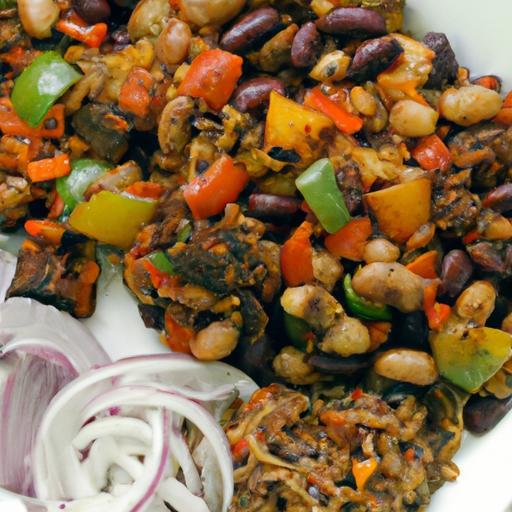

In the vibrant tapestry of Ghanaian cuisine, few dishes evoke the comforting warmth and cultural pride quite like Tuo Zaafi. Often lovingly referred to as “T.Z.” by locals, this hearty staple is more than just a meal-it is a delicious journey into the heart of northern Ghana’s rich culinary heritage. Made from smooth, thickened millet or corn dough, Tuo Zaafi serves as the perfect canvas for bold, flavorful soups and stews brimming with greens, spices, and tender meats. Whether you’re a curious food enthusiast or a home cook eager to explore new flavors, mastering Tuo Zaafi opens the door to an authentic taste of Ghana’s time-honored traditions. In this guide, we’ll unravel the secrets behind this beloved dish, helping you bring the essence of Ghanaian hospitality to your kitchen with each satisfying bite.
Mastering Ghanaian Tuo Zaafi invites you to explore a soul-nourishing experience deeply rooted in the culinary traditions of Northern Ghana. This staple, cherished for generations, transcends mere sustenance; it is a symbol of community, heritage, and vibrant flavors that tell the story of a people united through food. Preparing Tuo Zaafi is an art form, and when paired with traditional soups, it becomes an exquisite cultural journey you can savor right at home.
Prep and Cook Time
- Preparation: 10 minutes
- Cooking: 20 minutes
- Total Time: 30 minutes
Yield
Serves 4 hearty portions
Difficulty Level
Medium – Ideal for cooks with basic experience and an adventurous palate
Essential Ingredients for Authentic Tuo Zaafi
- 2 cups corn flour (fine maize flour) – the heart of Tuo Zaafi, offering a smooth and velvety texture
- 4 cups water – fresh, cold water to blend and cook the dough
- Pinch of salt – to enhance the natural flavors
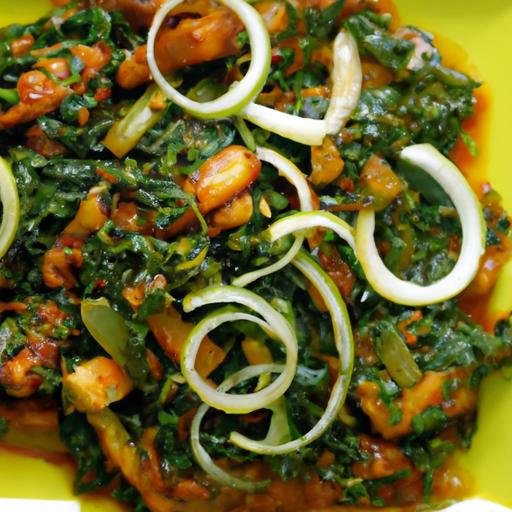
- Traditional soups to pair: Goat light soup, okra soup, or ayoyo soup are highly recommended
Step-by-Step Preparation Method
- Heat 3 cups of water in a wide, heavy-bottomed pot over medium heat until it begins to simmer gently.
- While heating, mix the corn flour with the remaining 1 cup of cold water in a bowl to form a smooth, lump-free slurry.
- Gradually pour the slurry into the simmering water, stirring continuously with a wooden spoon to prevent lumps from forming.
- Cook and stir the mixture firmly for about 10-15 minutes. You’ll notice it thickening into a dense dough. Do not rush this process-constant stirring is key for a silky texture.
- Once thickened, reduce the heat to low and use a wooden spatula or spoon to mold the Tuo Zaafi by folding and smoothing its surface. Cover and simmer for another 5 minutes to cook through evenly.
- Turn off the heat and let it rest for 5 minutes; this step allows the flavors to settle and the texture to firm up perfectly.
Tips for Achieving Authentic Flavor and Texture
- Use fresh fine corn flour to avoid gritty texture; sift it if necessary.
- Continuous stirring prevents lumps and ensures a smooth finish.
- Adjust water quantities slightly depending on the flour brand and humidity, aiming for a dough that is firm but pliable.
- Try pairing your Tuo Zaafi with Goat Light Soup for a rich and authentic taste.
- To keep Tuo Zaafi warm and moist before serving, wrap it in a clean kitchen towel and place it inside an insulated container.
- For gluten-free cooks, rest assured that this dish naturally embraces gluten-free ingredients and techniques.
Serving Suggestions
Present your Tuo Zaafi as smooth, hand-shaped mounds on a large serving dish alongside vibrant bowls of steaming traditional soups. Garnish with freshly chopped green onions, a drizzle of palm oil on the soup surface, or fanned slices of garden eggs (African eggplant) for an authentic touch. Inviting guests to tear off portions with their fingers enhances the communal dining experience reminiscent of Ghanaian gatherings.
| Nutritional Element | Per Serving (Approx.) |
|---|---|
| Calories | 280 kcal |
| Protein | 5 g |
| Carbohydrates | 60 g |
| Fat | 1 g |

For more inspiration, explore how to complement your Tuo Zaafi meal with traditional Ghanaian side dishes and desserts to create a vibrant feast.
Expand your culinary repertoire by reading about Ghanaian cuisine’s rich history and its unique food culture that continues to celebrate dishes like Tuo Zaafi across generations.
Q&A
Q&A: Mastering Ghanaian Tuo Zaafi – A Traditional Recipe Guide
Q1: What is Tuo Zaafi and why is it significant in Ghanaian cuisine?
A1: Tuo Zaafi, often abbreviated as TZ, is a beloved staple dish originating from Northern Ghana. Made primarily from corn or millet flour, it is a thick, smooth porridge that serves as a comforting base for rich, flavorful soups. More than just food, Tuo Zaafi embodies cultural heritage, bringing families together and celebrating the simplicity and depth of Ghanaian culinary traditions.
Q2: What are the essential ingredients needed to make traditional Tuo Zaafi?
A2: The heart of Tuo Zaafi lies in its flour base-usually corn flour or millet flour. Along with water and a pinch of salt, these simple ingredients transform into a velvety, dough-like porridge. However, the magic truly unfolds with the accompanying soup, often made from leafy greens (like baobab or kontomire), tomatoes, onions, and spices that infuse each bite with intense Ghanaian flavors.
Q3: Can you walk us through the basic steps to prepare Tuo Zaafi?
A3: Absolutely! First, boil water in a pot until it’s bubbling hot. Gradually stir in the corn or millet flour while continuously stirring to prevent lumps. Keep the heat medium-low and stir firmly until the mixture thickens into a smooth, stretchy dough. Cover and simmer briefly, then mold it by hand into balls or serve directly on plates. The result? A soft, slightly elastic base perfectly primed for dipping into your favorite green soup.
Q4: What is the best soup pairing for Tuo Zaafi?
A4: The classic companion is a rich, slightly spicy green soup made from local leafy vegetables like kontomire or baobab leaves, simmered with smoked fish, onions, tomatoes, and chili peppers. This soup’s earthy, savory depth complements the subtle flavor and texture of the Tuo Zaafi, creating a harmonious balance that delights the palate.
Q5: Are there any tips to perfectly mastering Tuo Zaafi at home?
A5: Patience and consistent stirring are your best friends. Avoid rushing the cooking process; allow the flour to fully absorb the water and thicken gradually. Using a wooden spatula helps maintain the traditional rhythm. Also, tasting and adjusting the salt is important since Tuo Zaafi itself is mild, shining brightest when paired with flavorful soups.
Q6: Can Tuo Zaafi be enjoyed outside of Ghana?
A6: Absolutely! With the rising popularity of African cuisines globally, Tuo Zaafi has found a special place on international tables. All you need is access to corn or millet flour and some fresh ingredients for the soup. Preparing and sharing it worldwide offers a wonderful way to explore Ghana’s rich culture and culinary delights from your own kitchen.
Q7: What makes Tuo Zaafi more than just a meal in Ghanaian culture?
A7: Beyond its delightful taste, Tuo Zaafi symbolizes togetherness and tradition. It often marks communal meals, celebrations, and daily family gatherings. Sharing Tuo Zaafi is sharing warmth, history, and the spirit of Ghana itself-making it a dish that feeds not just the body but the soul.
Embrace this guide, and soon the fragrant aromas and hearty textures of Ghanaian Tuo Zaafi will bring a taste of West Africa to your table!
Future Outlook
As you wrap up your journey into the heart of Ghanaian cuisine with Tuo Zaafi, remember that this beloved dish is more than just a meal-it’s a celebration of culture, community, and tradition. Mastering Tuo Zaafi opens a door to savoring the rich flavors and stories woven into each spoonful, inviting you to share in the warmth of Ghanaian hospitality. Whether you’re a seasoned cook or a curious food explorer, let this traditional recipe guide inspire your kitchen adventures, bringing a taste of Ghana’s vibrant heritage to your table. So, roll up your sleeves, embrace the process, and enjoy the delicious rewards of mastering this iconic dish-one hearty bite at a time.