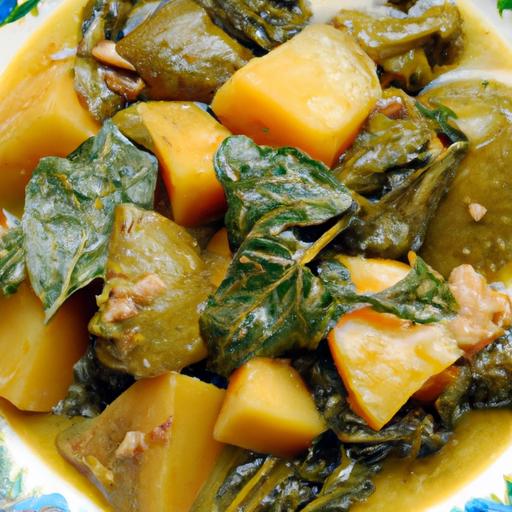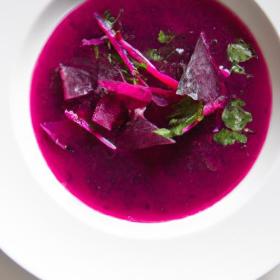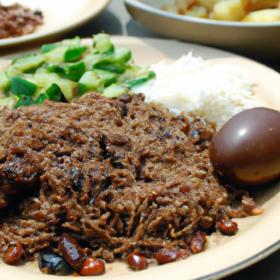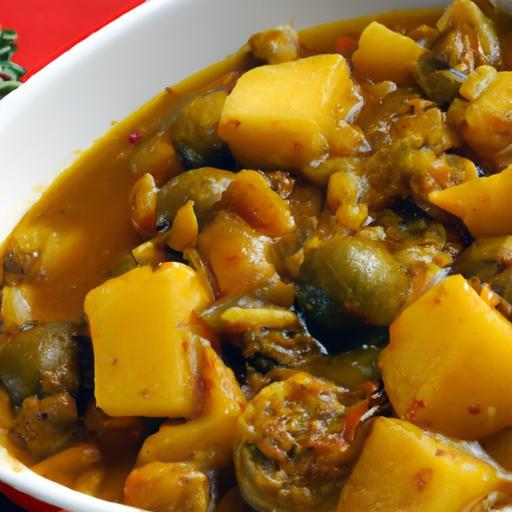

Nestled in the heart of West Africa’s vibrant culinary tapestry is a dish that bursts with tradition, flavor, and wholesome goodness-Kontomire. This beloved Ghanaian stew, crafted from the lush, verdant leaves of cocoyam plants, offers more than just a meal; it is a celebration of heritage simmered into every pot. Rich, earthy, and deeply satisfying, Kontomire invites food lovers on a vibrant journey through Ghana’s kitchens, where age-old recipes meet fresh, natural ingredients. Join us as we uncover the secrets behind this nutritious leafy green stew and explore how Kontomire continues to nourish both body and soul across generations.
Kontomire: Discover Ghana’s Rich Cocoyam Leaves Stew Delight
Kontomire stew, a beloved Ghanaian classic, embodies the rich flavors and wholesome nutrition of cocoyam leaves. This deeply satisfying dish brings together earthy greens, luscious palm oil, and savory spices, creating a stew that’s as vibrant on the palate as it is in heritage. Growing up in Ghana, this stew was a dinner table staple – each generous spoonful bursting with tradition and warmth. Today, we celebrate its versatility by blending traditional techniques with subtle modern twists to create a pot of magic anyone can recreate.
Prep and Cook Time
Preparation: 20 minutes
Cooking: 40 minutes
Total Time: 1 hour
Yield
Serves 4 generous portions
Difficulty Level
Medium – A perfect dish for cooks looking to explore authentic Ghanaian flavors with accessible ingredients.
Ingredients
- 500g fresh cocoyam leaves (kontomire), washed and finely chopped
- 1/4 cup palm oil
- 1 large onion, finely sliced
- 3 cloves garlic, minced
- 2 medium tomatoes, chopped
- 1 tablespoon tomato paste
- 150g smoked fish (preferably mackerel), deboned and shredded
- 1 teaspoon dried crayfish powder
- 1 to 2 Scotch bonnet peppers, chopped (adjust to heat preference)
- 1 cup water or stock
- Salt to taste
- Optional: 1/2 cup cooked kidney beans or garden eggs for extra texture
Instructions
- Prepare the cocoyam leaves: Rinse thoroughly under running water to remove grit. Chop leaves finely, setting aside.
- Heat the palm oil in a heavy-bottomed saucepan over medium heat until it becomes clear and slightly shimmering.
- Sauté the onions and garlic in palm oil until soft and aromatic, about 5 minutes. Stir occasionally to prevent sticking.
- Add chopped tomatoes and tomato paste, stirring to combine. Cook until tomatoes break down and oil starts separating, about 10 minutes.
- Incorporate the crayfish powder and Scotch bonnet peppers, mixing evenly for a robust flavor kick.
- Pour in the water or stock and bring to a gentle simmer.
- Add the cocoyam leaves in batches, stirring well after each addition to wilt evenly.
- Once leaves are wilted and cooked through (approximately 15 minutes), stir in the shredded smoked fish and optional kidney beans or garden eggs.
- Season with salt to taste, reduce heat, and cover. Let the stew simmer lightly for another 10 minutes, allowing all flavors to meld beautifully.
- Remove from heat and let the stew rest for 5 minutes before serving to deepen the taste.
Tips for Success
- Leaf selection: Choose young, tender cocoyam leaves without blemishes to avoid bitterness and ensure a soft texture.
- Controlling heat: Adjust Scotch bonnet quantity to suit your spice tolerance; deseeding peppers reduces pungency.
- Smoked fish alternative: Use smoked dried herrings or skip for a vegetarian stew, substituting with mushrooms for umami depth.
- Make-ahead: Stew flavors improve overnight – store chilled and reheat gently, adding a splash of water if needed.
- Modern twist: Swirl in coconut milk at the end for creamy richness, perfectly balancing palm oil’s earthiness.
Serving Suggestions
Contemporary or traditional, this stew shines when paired with Ghanaian staples like boiled yam, plantain, or fufu. For a balanced plate, serve with a side of fermented corn dough (banku) or fragrant rice to soak up every richly spiced drop. Garnish with finely chopped fresh tomatoes or sliced red onions for a fresh contrast. A sprinkle of toasted groundnuts also adds delightful crunch and texture, elevating the feast.

| Nutrient | Per Serving |
|---|---|
| Calories | 280 kcal |
| Protein | 18 g |
| Carbohydrates | 12 g |
| Fat | 16 g |
Health Benefits and Selecting Fresh Cocoyam Leaves
Rich in vitamins A, C, and folate, cocoyam leaves contribute substantial antioxidants and fiber to your diet. This natural powerhouse supports eye health, immune function, and digestion. When selecting leaves, opt for vibrant green, tender leaves free from yellowing or tears. A quick wilt test can confirm freshness: fresh leaves will relax and soften easily when stems are broken.
For further reading on nutritious leafy greens and their impact on health, consult Healthline’s comprehensive guide.
Discover more authentic Ghanaian recipes in our Ghanaian Cuisine Recipes collection and enrich your culinary horizons.
Q&A
Q&A: Kontomire – Discover Ghana’s Rich Cocoyam Leaves Stew Delight
Q1: What exactly is Kontomire?
A1: Kontomire is a traditional Ghanaian stew made primarily from cocoyam leaves, which are locally known as kontomire. This vibrant green leafy vegetable is the star ingredient, simmered to perfection with tomatoes, onions, spices, and often complemented by ingredients like smoked fish, eggs, or groundnuts. The result is a rich, flavorful, and nutrient-packed dish cherished across Ghana.
Q2: Why is Kontomire considered a cultural staple in Ghana?
A2: Beyond its delicious taste, Kontomire holds cultural significance as a comfort food passed down through generations. It embodies the essence of Ghanaian home cooking-simple, wholesome, and deeply rooted in tradition. This stew not only nourishes the body but also connects families, symbolizing warmth and hospitality at communal meals.
Q3: What makes cocoyam leaves special compared to other leafy greens?
A3: Cocoyam leaves (kontomire) are particularly prized for their earthy flavor and tender texture. Rich in iron, vitamins A and C, and fiber, they contribute both taste and health benefits. Unlike spinach or kale, cocoyam leaves bring a uniquely Ghanaian flavor profile that’s slightly nutty and deeply satisfying.
Q4: How is Kontomire typically prepared?
A4: Preparation begins with washing and chopping fresh cocoyam leaves, then boiling or steaming them until tender. Separately, a stew base is crafted by sautéing onions, garlic, and tomatoes, seasoned with chili, salt, and sometimes ginger or smoked fish for depth. The cooked leaves are then folded into the stew, allowing the flavors to meld. It’s commonly served with staples like boiled yam, plantains, or rice.
Q5: Can Kontomire be adapted for modern or international palates?
A5: Absolutely! While preserving its core ingredients and flavors, Kontomire can be tweaked by adding coconut milk for creaminess, substituting proteins such as chicken or tofu, or adjusting spice levels. Its versatility invites chefs and home cooks alike to experiment, all while celebrating Ghana’s culinary heritage.
Q6: Where can one experience authentic Kontomire outside of Ghana?
A6: Authentic Kontomire is increasingly finding its way into African and international restaurants worldwide, especially those specializing in West African cuisine. Additionally, diaspora communities and adventurous home cooks often recreate this stew, sourcing cocoyam leaves from specialty markets or using close substitutes like taro leaves.
Q7: What makes Kontomire a must-try for food enthusiasts?
A7: Kontomire isn’t just a dish-it’s a sensory journey into Ghana’s culture, history, and agricultural richness. Its bold flavors, textural contrasts, and vibrant colors invite food lovers to taste a story of community, resilience, and culinary artistry. For anyone seeking to broaden their palate and embrace authentic global tastes, Kontomire is an unforgettable delight.
The Way Forward
As the vibrant aroma of kontomire stew lingers in the air, it is clear that this beloved Ghanaian dish is more than just a meal-it is a celebration of heritage, flavor, and community. From the rich, earthy cocoyam leaves to the hearty blend of spices and ingredients, kontomire offers a unique culinary journey that invites both the curious and the devoted to savor Ghana’s gastronomic soul. Whether enjoyed at a bustling market stall or a family gathering, this stew stands as a delicious testament to Ghana’s vibrant culture and the timeless magic of its cuisine. So next time you seek a dish that warms the heart and excites the palate, let kontomire be your flavorful guide to the tastes of Ghana.