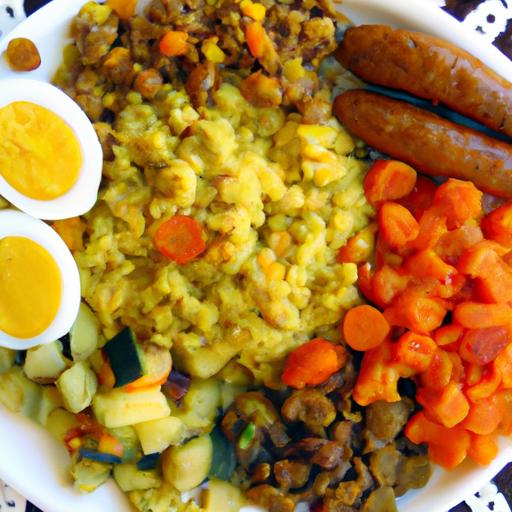

Imagine waking up to the warm aroma of toasted cracked wheat, infused with gentle spices and a hint of butter-an ancient comfort that has been nourishing Ethiopian mornings for centuries. This is Kinche, a traditional breakfast dish that transforms simple grains into a soul-satisfying delight. In this article, we’ll delve into the rich history and cultural significance of Kinche, explore its wholesome ingredients, and guide you through the art of preparing this authentic Ethiopian breakfast. Whether you’re a culinary adventurer or someone seeking a nutritious start to your day, Kinche offers a flavorful journey into Ethiopia’s vibrant food heritage.
Cracked Wheat Delight beckons with a warm embrace of tradition and rustic charm, inviting you into Ethiopia’s vibrant breakfast table. This earthy dish, Kinche, is a comforting bowl of cracked wheat porridge cherished for generations. Beyond its humble appearance, Kinche embodies the richness of Ethiopian culture, where breakfast is more than a meal-it’s a ritual of connection and nourishment that awakens both body and spirit.
Prep and Cook Time
Preparation: 10 minutes | Cooking: 25 minutes | Total Time: 35 minutes
Yield
Serves 4 hearty bowls
Difficulty Level
Easy – perfect for beginners and seasoned cooks alike
Ingredients
- 1 cup cracked wheat (preferably medium grind for ideal texture)
- 3 cups water
- 1/4 cup unsalted butter or niter kibbeh (Ethiopian spiced clarified butter)
- 1/2 tsp salt (adjust to taste)
- Optional: pinch of ground cardamom or cinnamon for subtle warmth
- Honey or berbere spice for serving (optional but recommended)
Step-by-Step Guide to Preparing Perfectly Fluffy Ethiopian Kinche
- Rinse the cracked wheat under cold running water until the water runs clear to remove excess starch and any debris, ensuring a clean and light porridge.
- Toast the cracked wheat in a dry, medium saucepan over medium heat for about 3-5 minutes, stirring constantly. This step deepens the nutty flavor and prevents the porridge from becoming mushy.
- Add water and salt and bring to a gentle boil, then reduce the heat to low. Cover loosely and simmer, stirring occasionally to prevent sticking, for 20-25 minutes until the wheat is tender and has absorbed the liquid.
- Stir in butter or niter kibbeh and optional spices, blending them thoroughly into the kinche for a silky texture and rich aroma.
- Adjust consistency by adding a splash of hot water if needed. Keep it creamy but not runny.
- Serve immediately, garnished with a drizzle of honey for a touch of sweetness or a sprinkle of berbere spice for a bold kick, enhancing the traditional flavor profile.
Choosing the Best Cracked Wheat Varieties for Optimal Flavor and Texture
Selecting the right cracked wheat is essential for an authentic Cracked Wheat Delight experience. Opt for medium-coarse cracked wheat as it retains the ideal bite-soft enough to comfort, yet textured enough to create a hearty mouthfeel. Whole grain, organically processed wheat varieties yield a richer, nuttier flavor and a deeper golden color, reflecting Kinche’s rustic roots. Avoid overly fine wheat farina blends, which tend to lack the characteristic chew and can result in a gluey texture.
Tips for Success
- Use fresh butter or niter kibbeh to enhance the dish’s rich, authentic aroma.
- Maintain a gentle simmer throughout cooking to prevent burning or uneven texture.
- Toast cracked wheat evenly and continuously stir to unleash its nutty fragrance without scorching.
- Prepare Kinche fresh each morning for the best taste, but it can be cooled and gently reheated-add a splash of water to revive creaminess.
- For a vegan variation, substitute butter with extra virgin olive oil or coconut oil; though the flavor profile shifts, the texture remains inviting.
Creative Serving Suggestions and Pairings to Elevate Your Kinche Experience
Elevate your Cracked Wheat Delight by setting it alongside vibrant Ethiopian staples. A bowl of injera flatbread offers a soft, tangy contrast that complements Kinche’s mild earthiness. For added protein, serve with a side of spicy doro wat (Ethiopian chicken stew) or simply garnish with crushed nuts like toasted almonds or walnuts for crunch. Fresh fruits such as pomegranate arils or sliced figs bring a bursting freshness to the plate, balancing the porridge’s warm flavors.
Experiment with toppings-traditional honey and berbere spice are classics, but a dollop of Greek yogurt or a spoonful of spiced tomato sauce can transform Kinche into a versatile dish that suits any palate.
| Nutrient | Per Serving |
|---|---|
| Calories | 210 kcal |
| Protein | 6 g |
| Carbohydrates | 40 g |
| Fat | 5 g |

Q&A
Q&A: Cracked Wheat Delight – Authentic Ethiopian Kinche Breakfast
Q1: What exactly is Kinche in Ethiopian cuisine?
A1: Kinche is a traditional Ethiopian dish made from cracked wheat, celebrated for its hearty texture and wholesome flavor. It’s a beloved breakfast staple that embodies the simple, rustic charm of Ethiopian home cooking, often served with spiced clarified butter or yogurt.
Q2: How is Kinche prepared, and what makes it unique?
A2: Kinche is prepared by toasting cracked wheat lightly, then slowly simmering it in water or milk until it becomes a thick, porridge-like consistency. The key to its uniqueness lies in the toasting step, which amplifies the nutty aroma and adds a slightly smoky dimension – a comforting start to the day that feels both ancient and fresh.
Q3: What nutritional benefits does Kinche offer?
A3: Packed with fiber, protein, and essential minerals from whole wheat, Kinche is a nourishing breakfast that fuels your day with sustained energy. Its slow-digesting nature makes it perfect for those seeking a balanced meal that supports digestion and keeps hunger at bay.
Q4: Can Kinche be customized with different flavors or toppings?
A4: Absolutely! While traditionally topped with spiced niter kibbeh (Ethiopian clarified butter) or a drizzle of honey, Kinche can be adapted to your taste. Some prefer a sprinkle of cinnamon and chopped nuts for a sweet twist, while others enjoy it savory with sautéed vegetables or a sprinkle of berbere spice.
Q5: How does Kinche reflect Ethiopian culture and culinary tradition?
A5: Kinche is more than a meal; it’s a connection to Ethiopian heritage. Its preparation and sharing echo communal values, often enjoyed in family gatherings at dawn. This humble cracked wheat dish showcases the Ethiopian skill of turning simple ingredients into soulful comfort food that honors the land and its people.
Q6: Where can one find Kinche outside Ethiopia?
A6: Thanks to Ethiopia’s vibrant diaspora, Kinche is gaining popularity worldwide. You might find it in Ethiopian restaurants or specialty eateries that celebrate East African flavors. For the adventurous, making Kinche at home is straightforward and rewarding, bringing a piece of Ethiopian morning tradition to any kitchen.
Q7: What’s the best way to enjoy Kinche for a quintessential Ethiopian breakfast experience?
A7: Serve Kinche piping hot with a generous dollop of niter kibbeh on top, alongside fresh injera or bread, and a cup of traditional Ethiopian coffee or spiced tea. This combination awakens your senses and offers a comforting, authentic start to the day – a true cracked wheat delight!
To Conclude
As the aroma of toasted cracked wheat fills your kitchen, you’re not just preparing a meal-you’re embracing a vibrant slice of Ethiopian heritage with every bite of Kinche. This humble yet hearty breakfast dish invites you to slow down, savor simplicity, and celebrate tradition, proving that sometimes the most authentic delights come from the earth’s oldest grains. So next morning, let Kinche transform your breakfast routine into a warm ritual of nourishment and cultural connection-one spoonful at a time.