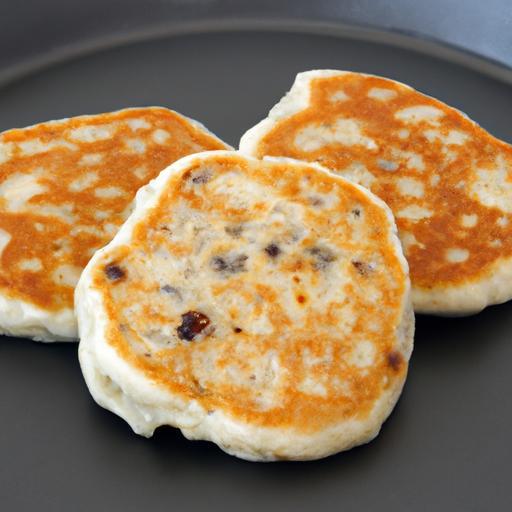

There’s something enchantingly simple about a Welsh cake-a humble griddle-baked treat that carries centuries of tradition in every golden, sugar-speckled bite. Mastering Welsh cakes is like unlocking a secret door to the heart of Wales, where warmth, history, and flavor blend seamlessly on a hot griddle. Whether you’re a seasoned baker or a curious novice, this guide will take you step-by-step through crafting these delightful cakes to perfection, ensuring a crispy edge, a tender crumb, and that unmistakable hint of sweetness that has made them a beloved comfort food for generations. Prepare your griddle and gather your ingredients-the journey to the perfect Welsh cake starts here.
Mastering Welsh Cakes texture and taste begins with understanding the delicate balance of ingredients and careful cooking on a griddle, delivering a timeless treat that hails from the rolling hills of Wales. These golden, lightly spiced griddle cakes are a symphony of crumbly, buttery richness and subtle sweetness with bursts of juicy currants that dance on the tongue.
Prep and Cook Time
Preparation: 15 minutes | Cooking: 15 minutes | Total: 30 minutes
Yield
Approximately 16 Welsh Cakes (serves 4-6)
Difficulty Level
Easy – Perfect for both beginners and seasoned bakers alike
Ingredients
- 2 cups all-purpose flour, sifted
- 1/2 cup granulated sugar
- 1 teaspoon baking powder
- 1/4 teaspoon salt
- 1 teaspoon ground cinnamon
- 1/4 teaspoon ground nutmeg
- 1/2 cup (1 stick) cold unsalted butter, diced
- 1 cup currants (substitute with raisins or chopped dried cherries if preferred)
- 1 large egg
- 3-4 tablespoons whole milk
- Extra flour for dusting
- Butter or sunflower oil for greasing the griddle
Instructions
- Combine Dry Ingredients: In a large mixing bowl, whisk together the flour, sugar, baking powder, salt, cinnamon, and nutmeg. This ensures even distribution of spices and raising agents for authentic flavor throughout your Welsh Cakes.
- Cut in the Butter: Add the diced cold butter to the dry ingredients. Using your fingertips or a pastry cutter, rub the butter into the flour until the mixture resembles fine breadcrumbs with a few pea-sized bits. This step is essential for that tender, crumbly texture synonymous with classic Welsh cakes.
- Incorporate the Currants: Stir the currants evenly into the flour-butter mixture, allowing them to be suspended perfectly throughout the batter so every bite bursts with chewy sweetness.
- Add Egg and Milk: Lightly beat the egg and milk together in a separate bowl. Gradually mix this into the dry ingredients until you form a soft, pliable dough. If the dough feels too dry, add an extra tablespoon of milk-but take care not to overwork it, as it can toughen your cakes.
- Roll and Cut: Lightly flour your working surface and gently roll out the dough to about 1/4 inch (6 mm) thickness. Using a 3-inch round cutter, punch out circles. Re-roll scraps as necessary, but handle the dough minimally for tender results.
- Heat the Griddle: Warm a heavy-based griddle or non-stick frying pan over medium heat. Lightly grease with butter or sunflower oil. Achieve the right temperature by sprinkling a few drops of water-you want a gentle fizz and sizzle without burning.
- Cook the Welsh Cakes: Place the rounds carefully on the griddle, working in batches to avoid overcrowding. Cook for approximately 3-4 minutes per side, turning once when the edges begin to look dry and the underside turns golden brown. The key is slow, even cooking to develop their characteristic golden crust and moist interior.
- Cool Slightly and Serve: Transfer cooked cakes to a wire rack to cool slightly. Traditionally served warm, Welsh Cakes can be dusted with caster sugar before serving for a delightful finish.
Tips for Success
- Butter Temperature: Use cold butter straight from the fridge to maintain the crumbly texture; overly warm butter can make the dough greasy and heavy.
- Dough Handling: Avoid over-kneading-a gentle, minimalist touch keeps the Welsh Cakes light and tender.
- Griddle Heat: Medium heat is crucial. Too hot burns the exterior before the center cooks; too low, and they dry out. Adjust your stovetop accordingly.
- Currant Alternatives: Consider dried cranberries or chopped dried apricots for seasonal twists without losing authenticity.
- Storage: Store Welsh Cakes in an airtight container at room temperature for up to 3 days. Reheat gently in a warm oven or toaster for refreshment.
Serving Suggestions
Welsh Cakes are best enjoyed fresh from the griddle, with a light dusting of caster sugar. Serve alongside a pat of butter or a dollop of clotted cream and your favorite homemade jam-blackcurrant or strawberry work beautifully. For breakfast or afternoon tea, pair with a pot of strong Welsh tea or freshly brewed coffee to complement their warm spices and buttery richness.

| Nutrient | Per Serving (2 cakes) |
|---|---|
| Calories | 210 |
| Protein | 4g |
| Carbohydrates | 30g |
| Fats | 8g |
For a deeper dive into traditional British griddle cakes, check out our related article on British Breakfast Classics. Also, explore expert baking techniques from British Council Culinary Arts to enhance your global baking repertoire.
Q&A
Q&A: Mastering Welsh Cakes – The Perfect Griddle Cakes Recipe
Q1: What exactly are Welsh cakes?
A1: Welsh cakes are delightful, traditional Welsh griddle cakes that strike a perfect balance between a scone and a cookie. They’re lightly spiced, studded with juicy currants or raisins, and cooked on a griddle or heavy pan until golden brown with enticingly crisp edges and a soft, crumbly center.
Q2: How are Welsh cakes different from regular pancakes or scones?
A2: Unlike fluffy pancakes that rely on batter and rising agents, Welsh cakes are made from a firm, shortcrust-like dough rolled out and cut into rounds. They cook on a dry griddle rather than being baked or fried, which gives them a unique texture-more substantial than pancakes but more tender than typical scones.
Q3: What are the essential ingredients for authentic Welsh cakes?
A3: The classic recipe calls for simple, pantry staples: flour, baking powder, butter, sugar, eggs, and dried fruit like currants or raisins. A pinch of ground nutmeg or cinnamon often provides a warm, fragrant spice note. The key is quality butter and careful balance for that tender crumb.
Q4: Can I substitute ingredients if I have dietary restrictions?
A4: Absolutely! For a gluten-free version, substitute the plain flour with a gluten-free blend. You can swap butter for a dairy-free margarine, but keep in mind it might slightly affect texture and flavor. For egg-free variations, flax eggs can work, though the cakes may be a bit denser.
Q5: What’s the secret to cooking Welsh cakes perfectly on the griddle?
A5: Medium-low heat is king here. Too hot and the outsides burn before the inside cooks; too cool and they dry out. Cook slowly for about 3-4 minutes on each side until golden brown, flipping carefully with a spatula. Resist the urge to press them down-let them puff subtly for the lightest texture.
Q6: How should Welsh cakes be served and stored?
A6: Traditionally, Welsh cakes are enjoyed warm straight from the griddle, sometimes dusted with caster sugar. They also make a scrumptious teatime treat paired with clotted cream or a slather of jam. Store cooled cakes in an airtight container at room temperature for up to a week, or freeze for longer keeping.
Q7: Any tips for adding a creative twist to the classic recipe?
A7: Certainly! Mix in chopped nuts or dried cranberries for texture and flavor bursts. A splash of orange zest or a teaspoon of vanilla extract can add aromatic depth. You could also experiment with a dusting of cinnamon sugar or a drizzle of honey for a modern spin.
Q8: Why are Welsh cakes an important part of Welsh culture?
A8: Welsh cakes are more than just a treat-they’re a symbol of Welsh hospitality and heritage. Passed down through generations, making Welsh cakes is often a communal, cozy affair that ties families together over warmth and tradition, celebrating simple ingredients elevated with love and care.
Q9: Are there any traditional occasions where Welsh cakes are particularly enjoyed?
A9: While enjoyed year-round, Welsh cakes are especially popular during festivals like St. David’s Day, Christmas, and other family gatherings. Their humble sweetness is a comforting reminder of home and togetherness, often accompanied by hearty mugs of tea.
By mastering the art of Welsh cakes, you’re not only creating a delicious treat but also stepping into a rich cultural tradition. With this Q&A in hand, your journey to perfect griddle cakes is well underway-happy cooking!
The Conclusion
As the golden-brown Welsh cakes emerge from the griddle, their sweet, buttery aroma fills the kitchen with a comforting warmth that speaks to generations of tradition. Mastering this classic recipe is more than just baking-it’s an invitation to connect with Wales’ rich culinary heritage, one tender, speckled cake at a time. Whether you enjoy them fresh off the griddle, dusted with cinnamon sugar or paired with a pot of steaming tea, these delightful griddle cakes bring a slice of history straight to your table. So gather your ingredients, embrace the rhythm of the griddle, and savor the simple joy of Welsh cakes perfected-because sometimes, the sweetest victories come in small, warm bites.