
There’s nothing quite like the comforting embrace of a perfectly cooked nasi goreng – the beloved Indonesian fried rice that’s fragrant, flavorful, and delightfully fluffy. But what happens when this beloved dish turns out soggy and wet instead of light and crispy? If you’ve found yourself wondering, “Why is my nasi goreng too wet?” you’re not alone. Achieving that ideal balance of textures can be surprisingly tricky, turning a simple meal into a kitchen conundrum. In this article, we’ll explore the common pitfalls that lead to a watery wok and share expert tips to help you master the art of perfect fried rice every time – because nasi goreng should never be anything less than spectacularly delicious.
- Understanding the Role of Rice Texture in Achieving Perfect Nasi Goreng
- The Impact of Ingredient Moisture Levels on Fried Rice Consistency
- Mastering the Heat and Cooking Time for Ideal Nasi Goreng Dryness
- Essential Tips for Selecting the Right Rice and Preventing Sogginess
- Prep and Cook Time
- Yield
- Difficulty Level
- Ingredients
- Instructions
- Tips for Success
- Serving Suggestions
- Q&A
- In Summary
Understanding the Role of Rice Texture in Achieving Perfect Nasi Goreng
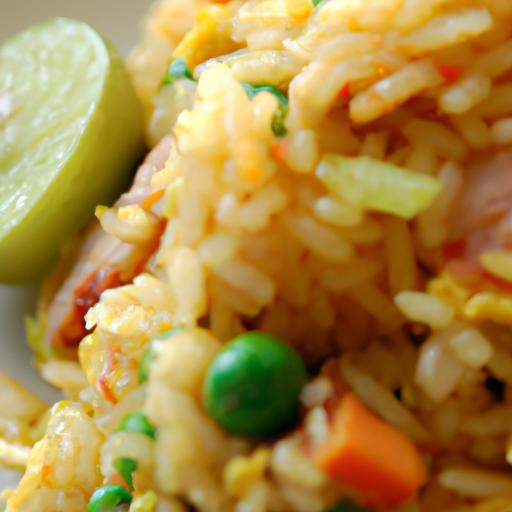
Why Is My Nasi Goreng Too Wet? Tips for Perfect Fried Rice start with mastering the texture of the rice itself, as it is the very foundation of this beloved Indonesian dish. Traditional Nasi Goreng depends on rice that is dry yet fluffy, with each grain separate-this ensures a beautifully light, not mushy, final dish. Ideally, day-old rice is your best ally here; its reduced moisture content helps maintain that coveted dry crispness after stir-frying. Freshly cooked rice often carries excess steam, which turns your fried rice into a soggy mess, robbing it of the authentic chewy and slightly caramelized mouthfeel.
The Impact of Ingredient Moisture Levels on Fried Rice Consistency
Every ingredient you add contributes moisture, directly influencing the fried rice’s consistency. Vegetables with high water content, like tomatoes or cucumbers, will release liquid as they cook. Even sauces and aromatics can upset the moisture balance if added carelessly. To avoid dampness, lightly sauté vegetables to evaporate excess water before combining, and measure sauces like kecap manis and soy sauce in moderation. This careful balancing act is key to achieving a dry, flavorful Nasi Goreng.
Mastering the Heat and Cooking Time for Ideal Nasi Goreng Dryness
High heat and swift cooking are essential when making Nasi Goreng. The intense heat quickly evaporates moisture, seals in bold flavors, and crisps the rice slightly. Use a well-seasoned wok or a heavy-bottomed skillet, preheated until smoking hot before adding oil and rice. Stir-fry in batches if needed to prevent overcrowding, which traps steam and leads to sogginess. Remember, every extra minute gently simmering after adding wet ingredients will further dry the rice if done carefully, but overcooking risks burning or drying it out too much.
Essential Tips for Selecting the Right Rice and Preventing Sogginess
Jasmine rice or long-grain white rice make perfect choices for Nasi Goreng due to their naturally drier texture and fragrance. Avoid short-grain or sticky rice varieties, which release more starch and tend to clump. After cooking your rice, spread it out on a tray to cool and dry-this simple step makes a huge difference. If you’re in a rush, rinsing the rice under cold water after cooking removes excess starch, reducing stickiness. Combining these methods ensures your fried rice has that coveted fluffy and dry consistency everyone craves.
Prep and Cook Time
- Prep Time: 15 minutes
- Cook Time: 10 minutes
Yield
- Serves 4
Difficulty Level
- Medium
Ingredients
- 3 cups cooked jasmine rice (preferably day-old, chilled)
- 2 tbsp vegetable oil
- 3 cloves garlic, finely minced
- 2 shallots, thinly sliced
- 1 red chili, thinly sliced (optional)
- 1 cup diced cooked chicken or shrimp
- 2 eggs, lightly beaten
- 1 cup bean sprouts, rinsed and drained
- 2 tbsp kecap manis (sweet soy sauce)
- 1 tbsp soy sauce
- 1 tsp shrimp paste (optional)
- Salt and white pepper, to taste
- 2 green onions, sliced for garnish
- Fried shallots and cucumber slices, for serving
Instructions
- Prepare the rice: Break up any clumps of the cold, day-old rice with your hands or a fork. This ensures even frying and prevents clumps.
- Heat your wok or skillet: Place it over high heat and add the vegetable oil, swirling to coat the surface evenly.
- Sauté aromatics: Add the minced garlic, sliced shallots, and red chili. Stir-fry for about 1-2 minutes until fragrant and lightly golden, ensuring they don’t burn.
- Cook protein: Add the diced chicken or shrimp. Stir-fry until just cooked through, roughly 3 minutes.
- Push contents aside, scramble eggs: Pour the beaten eggs into the wok, scramble until softly set but still moist.
- Add rice: Immediately add the rice, turning frequently with a spatula to coat the rice in the aromatics and eggs. Fry for 3-4 minutes until heated through and slightly crisp on the edges.
- Final seasoning: Stir in the kecap manis, soy sauce, shrimp paste, salt, and white pepper. Mix until evenly distributed.
- Toss in bean sprouts: Quickly fold in the bean sprouts and green onions. Stir-fry for an additional 30 seconds to retain their crunch.
- Serve immediately: Plate your Nasi Goreng, garnished with fried shallots and cucumber slices for contrast.
Tips for Success
- Use leftover rice or cook rice a day ahead and refrigerate to dry it out naturally.
- If fresh rice is your only option, rinse it well after cooking to wash away excess starch, then dry on a tray before stir-frying.
- Keep your pan very hot to encourage evaporation and crisp edges.
- Add sauces gradually to avoid over-wetting the rice.
- Feel free to swap proteins or vegetables based on preference; just be mindful of their water content.
Serving Suggestions
Present your Nasi Goreng with classic accompaniments such as a fried egg on top, prawn crackers on the side, and fresh cucumber slices to refresh the palate. A drizzle of sambal chili paste adds an optional spicy kick. Finish with a sprinkle of crispy fried shallots for irresistible crunch and a pop of golden color.
| Nutrition | Per Serving |
|---|---|
| Calories | 420 kcal |
| Protein | 25 g |
| Carbohydrates | 56 g |
| Fat | 9 g |

For more tips on perfect rice cooking, check out our Ultimate Jasmine Rice Guide. Also, the Serious Eats fried rice article offers extensive insight into rice texture mastery.
Q&A
Q&A: Why Is My Nasi Goreng Too Wet? Tips for Perfect Fried Rice
Q1: Why does my nasi goreng turn out soggy or too wet?
A1: The culprit behind overly wet nasi goreng is usually excess moisture. This can come from using freshly cooked hot rice that hasn’t cooled properly, adding too many watery ingredients like fresh tomatoes or watery vegetables, or using too much soy sauce or oil. Moisture traps steam during frying, preventing that signature crispy, fluffy texture.
Q2: How important is the rice type and preparation?
A2: Very important! For perfect nasi goreng, use day-old rice or rice that’s been cooked and thoroughly cooled in the fridge. The chilling process dries out the grains, making them less sticky and ideal for frying. Jasmine rice is a popular choice, but any long-grain rice that stays fluffy works best.
Q3: Can I fix wet nasi goreng mid-cooking?
A3: If you realize your nasi goreng is too wet while frying, spread the rice out in the pan to encourage evaporation, and turn up the heat slightly (but not too high to burn). Avoid covering the pan, as this traps steam. If needed, cook it a bit longer on medium-high heat to allow excess moisture to escape.
Q4: What are some tips for controlling moisture in my fried rice?
A4:
- Use leftovers or properly chilled rice.
- Avoid overcrowding the pan; fry in batches if necessary.
- Limit watery ingredients or sauté them separately to reduce moisture release.
- Use sauces sparingly; add soy sauce or kecap manis gradually.
- Cook on medium-high heat to sear rather than steam the rice.
Q5: Does the type of oil matter?
A5: While oil type won’t directly cause sogginess, using neutral oils like vegetable or peanut oil allows high heat frying without smoking. Oils that burn quickly can cause uneven cooking and tempt cooks to lower the heat, which traps moisture and results in soggy rice.
Q6: Should I add eggs or protein before or after the rice?
A6: Cook eggs or proteins separately or in the pan before the rice, then push them aside while frying the rice. This prevents moisture from those ingredients from soaking into the rice. Additionally, pre-cooked proteins release less moisture compared to raw ones added directly with the rice.
Q7: What’s the secret to that perfect “wok hei” flavor?
A7: Wok hei, or the “breath of the wok,” comes from cooking rice quickly over very high heat. This intense heat sears the rice grain edges, creating a slightly smoky aroma and contrasting textures. To achieve this, use a hot wok, keep ingredients dry, and toss continuously to avoid steaming.
Q8: Can freezing rice help achieve drier nasi goreng?**
A8: Absolutely! Freezing freshly cooked rice overnight helps remove excess moisture. When thawed, the grains separate easily and fry up beautifully. It’s a handy trick when you don’t have leftover rice but want to make perfect nasi goreng.
By understanding these key points about moisture and technique, your next nasi goreng will be wonderfully dry, fluffy, and full of that irresistible smoky flavor!
In Summary
In the quest for the perfect nasi goreng, mastering the art of texture is just as essential as nailing the flavors. If your fried rice is ending up too wet, don’t despair-armed with the right techniques and a bit of kitchen mindfulness, you can transform floppy grains into a delightfully fluffy dish that sings with every bite. Remember, drying your rice properly, controlling the heat, and balancing your sauces are the keys to unlocking that iconic, slightly crispy texture. So next time you cook up your beloved nasi goreng, embrace these tips and watch as your wok works its magic, turning every serving into a mouthwatering masterpiece worthy of sharing. Happy frying!