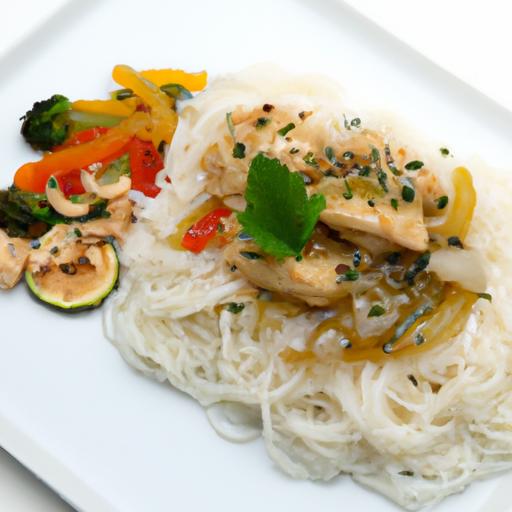
In the vast tapestry of global cuisine, few dishes embody both simplicity and complexity quite like noodles. Beyond their humble strands lies a world rich with history, culture, and flavor, weaving stories from bustling street markets in Asia to cozy trattorias in Europe. Untangling taste means diving headfirst into this diverse universe where textures range from silky to chewy, shapes spiral and twist, and sauces paint vibrant culinary landscapes. Join us on a flavorful journey as we explore the world’s diverse noodle types, unraveling their origins and savoring the unique tastes that make each bite a celebration of tradition and innovation.
Untangling Taste: Exploring the World’s Diverse Noodle Types opens an exciting gateway to the rich history and artistry of noodles across cultures. From the hand-pulled strands of Lanzhou in China to the silky, delicate ribbons of Italian pappardelle, noodles are more than just food-they are a story of heritage, craftsmanship, and regional flavor nuances. Embracing the traditions behind noodle-making not only deepens your culinary appreciation but also empowers you to recreate authentic dishes in your own kitchen with confidence.
Prep and Cook Time
- Prep Time: 25 minutes
- Cook Time: 15 minutes
- Total Time: 40 minutes
Yield
- Serves 4 generously
Difficulty Level
- Medium – Perfect for adventurous home cooks ready to master noodle techniques
Ingredients
- 2 cups all-purpose flour, sifted
- 3 large eggs, beaten at room temperature
- 1 tsp olive oil
- ½ tsp kosher salt
- 4 cups rich chicken broth or vegetable stock
- 2 cloves garlic, minced
- 1 tbsp soy sauce (for Asian-inspired broth)
- Fresh herbs: cilantro, parsley, or basil for garnish
- 1 cup mushrooms, thinly sliced (optional)
- 1 tbsp toasted sesame oil (optional)
- Chili flakes or fresh chili slices (for heat, optional)
Instructions
- Make the dough: Place the sifted flour and salt in a large bowl. Create a well in the center and pour in the beaten eggs and olive oil. Gradually incorporate the flour into the eggs using a fork, then knead by hand for 10 minutes until you have a smooth, elastic dough.
- Rest the dough: Cover the dough with a damp cloth and let it rest for 20 minutes. This resting period allows the gluten to relax, making the dough easier to roll and shape.
- Roll and cut the noodles: Lightly flour your work surface. Using a rolling pin, roll the dough into a thin sheet about 1/8 inch thick. Cut into your desired shape-thin strips for ramen-style, wide ribbons for fettuccine, or even hand-pulled strands if you dare!
- Prepare the broth: In a large pot, heat a splash of oil over medium heat. Sauté minced garlic and mushrooms until golden and fragrant, about 5 minutes. Add chicken broth and bring to a gentle simmer. Stir in soy sauce and toasted sesame oil for added depth.
- Cook the noodles: Bring a large pot of salted water to a rapid boil. Add noodles and cook for 2-4 minutes depending on thickness-fresh pasta cooks quickly! Drain immediately and transfer to a serving bowl.
- Assemble and serve: Ladle the hot broth over the cooked noodles. Garnish with fresh herbs and chili flakes if desired. Serve piping hot, encouraging guests to savor the interplay of textures and flavors.
Tips for Success
- Texture matters: For chewy noodles, use bread flour or add a teaspoon of vital wheat gluten. Softer noodles benefit from all-purpose flour and resting the dough long enough.
- Broth variations: Experiment with miso paste for a Japanese touch or add star anise and cinnamon for a Vietnamese pho-inspired broth.
- Fresh vs. dried: Fresh noodles soak up broth faster, enhancing flavor but requiring careful timing to avoid overcooking.
- Make ahead: Dough can be prepared and refrigerated overnight in plastic wrap, then rolled and cut just before cooking.
- Flavor layering: To intensify flavor, toast dry noodles in a pan briefly before boiling, or finish them quickly by sautéing in broth.
Serving Suggestions
- Top noodles with a soft-boiled egg and a drizzle of chili oil for richness and heat.
- Sprinkle with toasted sesame seeds or crushed peanuts for crunch and nutty contrast.
- Pair with crunchy pickled vegetables like kimchi or pickled radish to balance warm, savory broth.
- For a fresh, herbaceous pop, add lime wedges and chopped scallions on the side.
- Serve alongside a crisp green salad to complement the noodle dish with brightness and texture.
| Nutrient | Per Serving |
|---|---|
| Calories | 320 kcal |
| Protein | 12 g |
| Carbohydrates | 45 g |
| Fat | 7 g |
Discover the artistry behind each noodle strand and elevate your culinary repertoire by mastering these accessible yet authentic techniques. For a deeper dive into noodle styles and recipes, explore our regional noodle dishes collection. For scientifically grounded insights on noodle chemistry, visit the Science Daily food science section.

Q&A
Q&A: Untangling Taste – Exploring the World’s Diverse Noodle Types
Q1: Why are noodles considered a universal comfort food across cultures?
A1: Noodles have a magical way of transcending borders – their simplicity invites endless creativity, and their versatility suits every palate. From the silky strands in Italy to the chewy twists in Asia, noodles comfort the soul with familiar warmth, while simultaneously celebrating local flavors and traditions.
Q2: How do regional ingredients shape the unique character of various noodles?
A2: The essence of a noodle lies in its humble ingredients – wheat, rice, buckwheat, or even mung beans – which mirror the agricultural bounty of a region. For example, buckwheat yields the robust soba of Japan, while rice flour crafts the delicate pho noodles of Vietnam. These local staples influence texture, taste, and cooking technique, weaving noodles into the culinary fabric of each culture.
Q3: What are some of the most distinct noodle varieties around the world?
A3: The world is a noodle treasure trove! Think of the wide, flat pappardelle ribbons that hug rich Tuscan sauces; the thin, springy ramen strands swimming in savory broth; slippery glass noodles made from mung bean starch that sparkle in Korean japchae; and chewy Italian orecchiette that cradle hearty ragù. Each type tells a story, shaped by geography and history.
Q4: How do cooking methods affect noodle texture and flavor?
A4: Noodle alchemy begins with cooking! Boiling, soaking, stir-frying, or deep-frying all coax different textures and tastes. A quick blanch preserves the springiness of Chinese lo mein, while slow simmering in broth imparts soul-warming depth to Japanese ramen. Even how noodles are dried or fresh influences the final bite – from toothy firmness to melt-in-your-mouth softness.
Q5: Can noodles be both a humble street food and a gourmet delight?
A5: Absolutely! Noodles gracefully span the culinary spectrum. Street vendors serve up piping hot bowls of hand-pulled noodles dripping with aromatic sauces at bustling night markets, while Michelin-starred chefs elevate ancient recipes into artful, layered creations. This duality makes noodles endlessly exciting – accessible yet endlessly sophisticated.
Q6: Why is it important to explore different noodle types beyond the familiar?
A6: Venturing into noodle diversity opens a gateway to cultural appreciation and palate expansion. Each noodle invites you to savor new textures, ingredients, and stories, enriching your gastronomic journey. It’s a delicious form of exploration that connects us to the world’s rich tapestry of tradition and innovation – one strand at a time.
This Q&A unravels the captivating world of noodles, inspiring readers to taste, learn, and celebrate the beautiful variations woven into global cuisine.
The Way Forward
As we wind down this flavorful journey through the world’s myriad noodle varieties, it becomes clear that each strand tells a story-of culture, tradition, and culinary artistry. From the delicate rice vermicelli of Southeast Asia to the hearty wheat ribbons of Italy, noodles are more than just a meal; they are edible narratives woven into the fabric of global heritage. So next time you twirl your fork or slurp from a bowl, savor not only the taste but the rich history and diversity beneath every bite. In untangling taste, we find connection, creativity, and the boundless joy of noodles in all their shapes, sizes, and flavors.