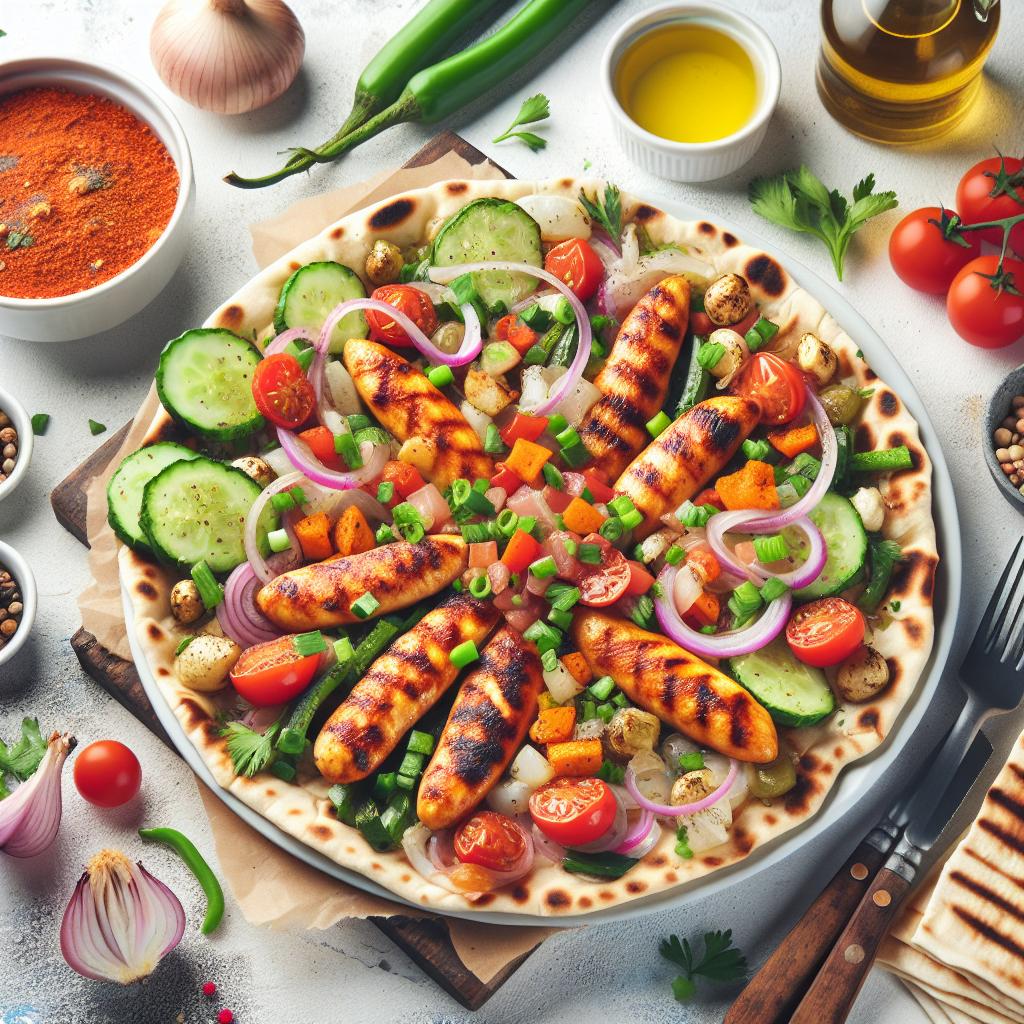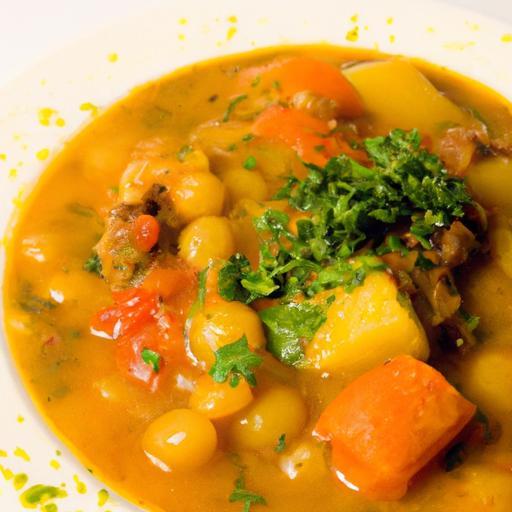

Beneath the golden sun and amidst the timeless streets of Egypt, a symphony of aromas and tastes awaits every curious palate. Street food here isn’t just a quick bite-it’s a vibrant celebration of culture, history, and community. From the fragrant blend of spices wafting through bustling markets to the tantalizing sizzle of grills lining narrow alleys, Egypt’s street food scene offers an irresistible invitation to savor its most essential flavors. Join us as we embark on a flavorful journey through the heart of Egyptian street cuisine, uncovering the dishes that not only fill stomachs but also tell stories of tradition and innovation.
Savoring Egypt’s street food is a journey through an aromatic tapestry woven with spices like cumin, coriander, and sumac. This recipe for Taameya-Egyptian falafel-captures the essence of these flavors that define its street food culture. Originating from ancient Egypt, Taameya is crafted from fava beans rather than chickpeas, delivering a uniquely earthy and herbaceous bite that is both crispy and tender. My first encounter with Taameya on a bustling Cairo corner stand was unforgettable; the vivid green patties bursting with fresh herbs and warm spices, paired with tangy tahini sauce, revealed why this humble dish is beloved across Egypt.
Prep and Cook Time
Prep time: 20 minutes
Cook time: 10 minutes
Yield
Serves: 4 (makes approximately 12 patties)
Difficulty Level
Easy to Medium
Ingredients
- 2 cups dried fava beans (soaked overnight, drained)
- 1 small onion, finely chopped
- 1 cup fresh parsley, chopped
- 1 cup fresh cilantro, chopped
- 1/2 cup fresh dill, chopped
- 4 cloves garlic, minced
- 1 tbsp ground coriander
- 1 tbsp ground cumin
- 1 tsp baking powder
- Salt and freshly ground black pepper, to taste
- Vegetable oil, for frying
Instructions
- Prepare the fava beans: After soaking all night, drain the fava beans and pulse them in a food processor until coarsely ground, avoiding a paste-like consistency.
- Mix the herbs and spices: In a large bowl, combine the ground fava beans, chopped onion, parsley, cilantro, dill, and garlic. Stir in ground coriander, cumin, baking powder, salt, and pepper. Mix until everything is evenly distributed. The mixture should be firm enough to hold shape.
- Shape the patties: Wet your hands to prevent sticking, then form the mixture into small oval patties about 2 inches long and 1/2 inch thick. Set them aside on a tray.
- Heat the oil: Using a deep skillet or fryer, heat vegetable oil to 350°F (175°C). The oil should be enough to submerge the patties halfway.
- Fry the patties: Carefully place the patties in the hot oil, frying 3-4 at a time. Cook for about 4-5 minutes per side or until golden brown and crispy. Use a slotted spoon to transfer to a paper towel-lined plate to drain excess oil.
- Serve warm: Taameya is best enjoyed fresh, paired with warm pita, tangy tahini sauce, and pickled vegetables.
Tips for Success
- Consistency matters: If the mixture is too wet and doesn’t hold, add a tablespoon of chickpea flour or fine breadcrumbs to bind.
- Herb variation: Substitute dill with fresh mint for a brighter flavor profile perfect for hot weather.
- Make-ahead: Form patties and freeze uncooked; fry straight from frozen, adding an extra minute to cooking time.
- Oil temperature: Use a thermometer to maintain 350°F; too hot will burn patties, too low will make them greasy.
Serving Suggestions
Present these golden green Taameya patties tucked inside warm Egyptian pita pockets with freshly chopped tomatoes, cucumbers, and a generous drizzle of garlicky tahini sauce. Garnish with fresh parsley sprigs and a sprinkle of sumac for a vibrant finish. For an authentic street food experience, pair with chilled karkadeh tea or a simple cucumber-mint salad.

| Nutrient | Per Serving |
|---|---|
| Calories | 210 |
| Protein | 11g |
| Carbohydrates | 25g |
| Fat | 8g |
For more on Egyptian culinary secrets and street food culture, explore our comprehensive guide and dive deeper into the vibrant flavors. To understand the spice trade history shaping these dishes, visit Encyclopaedia Britannica – Spice Trade.
Q&A
Q&A: Savoring Egypt – Essential Flavors That Define Its Street Food
Q1: What makes Egyptian street food uniquely flavorful compared to other cuisines?
A1: Egyptian street food captures a tapestry of history, culture, and geography in every bite. Its unique blend comes from ancient grains, aromatic spices like cumin and coriander, and freshest local ingredients that create bold yet comforting flavors. The balance of savory, tangy, and smoky notes-paired with vibrant herbs and often a dash of heat-makes Egyptian street food an unforgettable sensory adventure.
Q2: Which iconic street food dish should every first-time visitor to Egypt try?
A2: Falafel-locally known as ta’ameya-is a must-try. Unlike its chickpea counterpart in other Middle Eastern countries, Egyptian falafel is made primarily from fava beans, lending it a creamy interior and a fresh, herbal kick. Served in warm pita with tangy pickles and tahini, it’s more than a snack; it’s a centuries-old tradition on a plate.
Q3: How do Egyptian spices shape the street food experience?
A3: Spices are the heart and soul of Egyptian street food. Cumin, coriander, and dill impart earthy, citrusy layers, while a hint of chili adds a teasing warmth. The iconic blend called duqqa-a mix of nuts, seeds, and spices-is often sprinkled on dishes for crunch and complexity. This nuanced use of spices elevates simple ingredients into extraordinary flavor profiles.
Q4: Can you describe the role of bread in Egyptian street cuisine?
A4: Bread is the cornerstone-often the vehicle-for savoring Egypt’s street food. The ubiquitous baladi bread, a round whole wheat flatbread, acts as an edible plate, soaking up sauces and spices. From hearty falafel sandwiches to stuffed feteer pastries, bread brings texture, warmth, and balance, uniting diverse flavors in each mouthful.
Q5: What is the significance of street food within Egyptian culture?
A5: Street food in Egypt is more than sustenance; it’s a social ritual and a window into daily life. Vendors line bustling streets, offering affordable delights that bring strangers together over shared meals. These dishes carry stories of community, resilience, and joy-an edible heritage passed down through families and generations.
Q6: How can travelers best savor authentic Egyptian street food safely?
A6: To enjoy the flavors safely, look for vendors with a high turnover-freshness is key. Observing locals’ favorite spots is a good guide. Always choose food cooked thoroughly and served hot. Staying curious and trusting your senses ensures a delicious and safe culinary adventure through Egypt’s vibrant streets.
Q7: Are there sweet street food flavors to explore in Egypt as well?
A7: Absolutely! Egyptian street food isn’t all savory. Delights like konafa-shredded pastry soaked in sweet syrup and layered with cheese or nuts-and basbousa, a semolina cake infused with rose water, add an indulgent finale to a street food journey. These sweets offer fragrant spices like cinnamon and cardamom, balancing richness with aromatic brightness.
Q8: What modern twists are emerging in Egypt’s street food scene?
A8: Today, creative chefs blend tradition with innovation-infusing classic recipes with new ingredients or presentation styles. Vegan and fusion options are becoming popular, combining Egyptian staples with global flavors to attract a younger, adventurous crowd. Yet, the essence remains rooted in the authentic spices, textures, and communal spirit that define Egypt’s street food heritage.
In Summary
As the sun sets over bustling markets and vibrant street corners, the rich aromas of Egypt’s street food linger in the air-each scent a story, each flavor a journey through centuries of culture and tradition. To savor these essential tastes is to bite into the very soul of Egypt, where every dish tells a tale of community, history, and celebration. Whether it’s the crispy embrace of falafel, the smoky whispers of grilled kebabs, or the sweet kiss of freshly made baklava, these flavors don’t just fill your stomach-they ignite your senses and deepen your connection to this timeless land. So, next time you find yourself wandering through Egypt’s lively streets, let your palate be your guide, and discover how the magic of street food defines not just a cuisine, but an unforgettable experience.