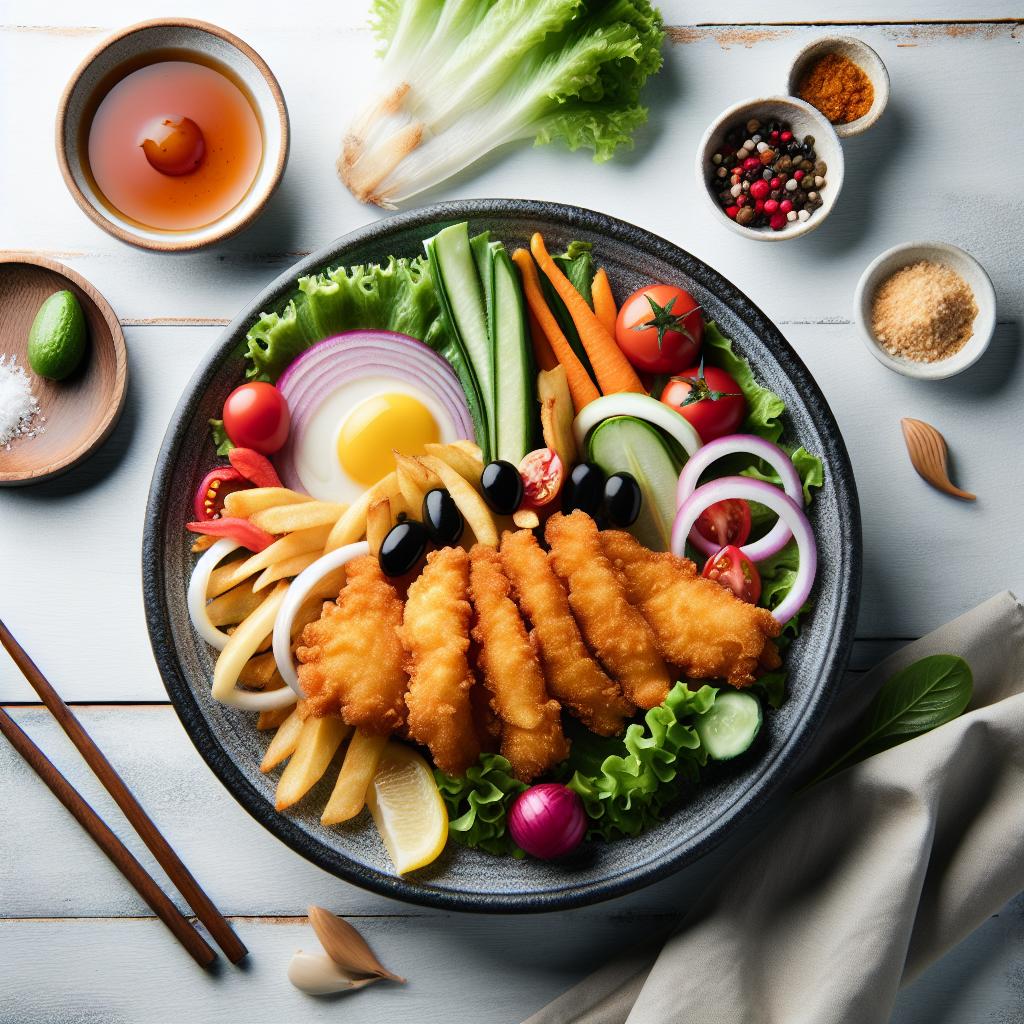

There’s something undeniably satisfying about sinking your teeth into crispy, golden fried food-whether it’s fries, chicken, or tempura vegetables. But when that perfect crunch is overshadowed by an unwelcome pool of grease, the whole experience can quickly turn from delicious to disappointing. So, why is your fried food so greasy, and more importantly, how can you fix it fast? Dive into the science and secrets behind frying, and discover simple, effective tips to keep your meals crispy, light, and mouthwateringly perfect every single time. Say goodbye to soggy bites and hello to fry-day perfection!
Why Is My Fried Food So Greasy? Understanding the delicate balance of oil temperature, frying technique, and oil selection is key to avoiding heavy, greasy results and achieving perfectly crisp golden treats every time.
Prep and Cook Time
Preparation: 15 minutes
Cook Time: 20 minutes
Yield
Serves 4
Difficulty Level
Medium
Ingredients
- 2 cups all-purpose flour, sifted
- 1 teaspoon baking powder
- 1 teaspoon salt
- 1/2 teaspoon paprika
- 1 cup buttermilk, cold
- 2 large eggs, beaten
- Vegetable oil for frying (enough to fill your pot 3 inches deep)
- Paper towels or a wire rack for draining
Instructions
- Preheat the oil: Choose a high smoke point oil like refined peanut or canola oil. Heat it to a steady 350°F (175°C). Use a deep-fry thermometer to monitor the temperature precisely.
- Prepare the batter: In a large bowl, combine the sifted flour, baking powder, salt, and paprika. In another bowl, whisk the buttermilk with the eggs until smooth. Gradually mix the wet ingredients into the dry, stirring until just combined for a light, airy batter.
- Coat the food: If frying chicken or vegetables, pat them dry to prevent excess moisture. Dip each piece into the batter, letting any extra drip off gently. This ensures a thin, crisp crust that resists oil absorption.
- Fry in batches: Carefully lower the coated pieces into the hot oil. Avoid overcrowding to maintain temperature and avoid sogginess. Fry for about 4-6 minutes, turning occasionally for even color and cooking.
- Drain immediately: Remove fried food using a slotted spoon and place it on a wire rack set over a baking sheet. This allows excess oil to drip away, unlike paper towels which can trap moisture and oil together.
- Maintain oil temp: Between batches, allow the oil to return to the optimal temperature before adding more food to keep frying crisp and oil absorption minimal.
- Serve hot: Enjoy your crispy, golden creations immediately for the best texture and flavor.
Tips for Success
- Oil temperature is everything: If the oil is too cool, food soaks up more oil; too hot, and the exterior burns before the inside cooks. Aim for 350-375°F.
- Choose the right oil: Opt for oils with high smoke points and neutral flavors – avocado, peanut, or refined vegetable oils work best.
- Pat dry ingredients: Excess moisture leads to oil splatter and soggy crusts.
- Utilize a wire rack: Letting fried foods rest on a rack ensures air circulation and less greasy texture compared to paper towels.
- Don’t skip the resting time: Briefly cooling your fried food on a rack prevents steam from softening your crispy crust.
Serving Suggestions
Serve your fried delights garnished with a sprinkle of flaky sea salt and fresh herbs like parsley or thyme for a burst of color and flavor contrast. Accompany with tangy dipping sauces like homemade aioli or a fresh lemon wedge to cut through the richness. Pair with crisp, refreshing sides such as a crunchy slaw or pickled vegetables to balance the grease-free crispiness.
| Nutrient | Per Serving |
|---|---|
| Calories | 420 |
| Protein | 18g |
| Carbohydrates | 35g |
| Fat | 22g |

Master these scientific and practical approaches to frying and transform your kitchen into a haven of perfectly crispy, non-greasy fried food. For more on frying techniques, check out our Ultimate Frying Guide. To deepen your oil knowledge, the FDA’s guide on frying oil safety offers authoritative insight.
Q&A
Q&A: Why Is My Fried Food So Greasy? Tips to Fix It Fast
Q: Why does my fried food come out greasy and soggy instead of crispy?
A: Greasy fried food usually means the oil is either too cool or the food is left soaking in oil too long. When the oil temperature is too low, food absorbs more oil instead of creating that crispy outer shell. Also, overcrowding the pan lowers the oil temperature, causing the same problem.
Q: How can I tell if my oil is hot enough for frying?
A: A good rule of thumb is to heat the oil to around 350°F to 375°F (175°C to 190°C). You can test this by dropping a small piece of bread or batter into the oil-if it sizzles immediately and rises to the surface, you’re set to fry!
Q: What’s the best way to avoid greasy results when frying?
A: First, make sure your oil is at the right temperature before adding food. Don’t overcrowd the pan-give each piece room to dance! After frying, drain the food on paper towels or a wire rack to let excess oil drip away.
Q: Can the type of oil I use affect how greasy my fried food turns out?
A: Absolutely! Oils with a high smoke point, like peanut, canola, or sunflower oil, maintain temperature better and give you crispier results. Using oils that burn or smoke easily can break down faster, making your food absorb more grease.
Q: How can I fix greasy fried food after it’s cooked?
A: If your food feels greasy, blot it gently with paper towels to remove excess oil. For some dishes, a quick flash under a hot oven or broiler can help evaporate lingering oil and crisp things back up.
Q: Any lesser-known tips to reduce grease in fried food?
A: Try dusting your food lightly with flour, cornstarch, or a dry coating before frying-this helps seal moisture and reduces oil absorption. Also, consider double frying: a quick first fry cooks the food through, and a second, hotter fry crisps it perfectly without soaking up extra oil.
Q: Is there a reason homemade fried food is sometimes greasier than restaurant fried food?
A: Restaurants often use commercial fryers with constant temperature control and fresh oil, which helps keep food crisp and less oily. At home, managing temperature and freshness of oil can be trickier, which is why greasy results pop up. But with the right techniques, your homemade fried food can rival any restaurant’s!
Q: Summary – What quick fixes can I apply right now?
A: Heat your oil properly, don’t crowd your pan, use the right oil, drain well, and try double frying or dusting with cornstarch. Your fried food will thank you with perfect, crispy crunchiness instead of heavy greasiness!
Wrapping Up
In the quest for that perfectly crisp, golden fried delight, battling the greasy aftermath can feel like a never-ending saga. But armed with the right techniques-from choosing the ideal oil temperature to mastering the art of proper draining-you’re well on your way to frying success. Remember, a little attention to detail goes a long way in transforming your fried favorites from oily messes into satisfyingly crunchy masterpieces. So next time you heat up that skillet or fire up the fryer, keep these tips in mind and say goodbye to greasiness for good! Happy frying!