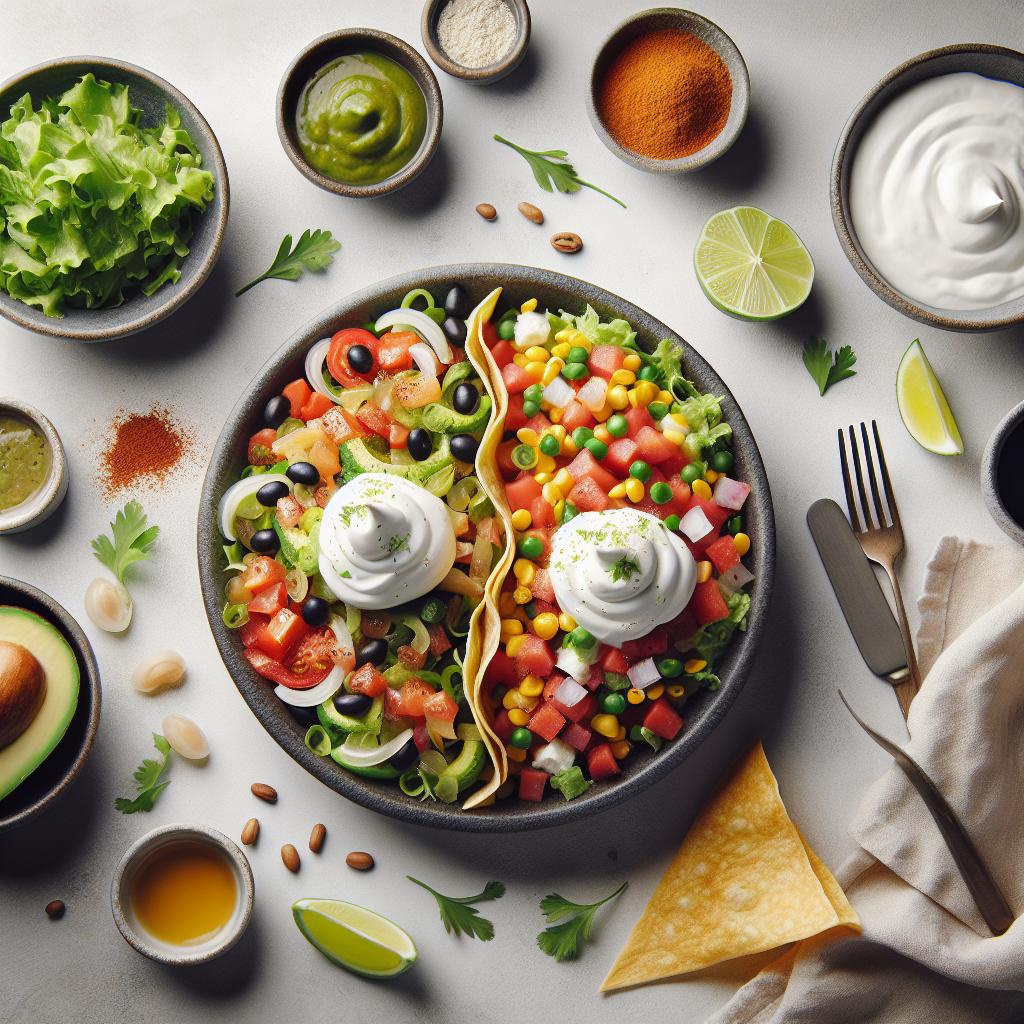

When it comes to adding a creamy, tangy touch to your favorite dishes, both Crema Mexicana and sour cream often find their way onto the table. At a glance, they might seem like culinary cousins, each promising that luscious texture and mild zest that elevates everything from tacos to baked potatoes. But behind their similar appearances lies a fascinating world of differences-in flavor, texture, and tradition-that can transform your cooking in subtle yet spectacular ways. In this article, we’ll dive into the vibrant nuances that set Crema Mexicana apart from sour cream, revealing how each can bring a unique twist to your kitchen creations. Whether you’re a seasoned foodie or a curious cook, prepare to discover the key distinctions that make these dairy delights truly special.
Crema Mexicana vs Sour Cream is a culinary exploration that delves into the rich heritage and unique qualities of two beloved dairy staples. Originating from the heart of Mexican cuisine, crema mexicana carries centuries of tradition, offering a smooth, tangy delight unlike the thicker, more sharply flavored sour cream common in American kitchens. Understanding these differences not only enriches your palate but unlocks new dimensions in everyday dishes.
Prep and Cook Time
- Preparation: 5 minutes
- Cook time: None (ready to use)
- Total time: 5 minutes
Yield
- Approximately 1 cup (240 ml)
Difficulty Level
- Easy – no cooking involved, perfect for immediate use
Ingredients
- 1 cup heavy cream (preferably not ultra-pasteurized for authentic texture)
- 2 tablespoons buttermilk or Mexican crema starter culture
- Pinch of sea salt (optional, to taste)
Instructions
- Start by pouring 1 cup of heavy cream into a clean, wide-mouth glass jar, allowing room for the cream to expand.
- Gently stir in 2 tablespoons of buttermilk or a spoonful of Mexican crema culture, which promotes the signature tangy flavor.
- Cover the jar loosely with a cheesecloth or a breathable kitchen towel to allow natural fermentation, securing it with a rubber band.
- Let the mixture sit at room temperature (about 70°F/21°C) for 12-24 hours until it thickens to a luscious, pourable consistency, similar but lighter than sour cream.
- Once thickened, stir gently, add a pinch of sea salt if desired, and refrigerate for up to 2 weeks. The cold will enhance the flavor and texture.
Tips for Success
- Use fresh, high-quality heavy cream for authentic richness; avoid ultra-pasteurized varieties as they won’t ferment properly.
- If your climate is cooler, extend fermentation time slightly; warmer climates require less time.
- If a thicker consistency is preferred, stir in a tablespoon of cultured buttermilk after refrigeration to kickstart further thickening.
- To substitute sour cream in recipes, know that crema mexicana’s thinner texture creates silkier sauces and dips, so adjust ratios or combine with a thickener if needed.
- This method makes a delightful topping for tacos, enchiladas, grilled vegetables, and fresh salsas – adding a subtle, tangy creaminess that elevates every bite.
Serving Suggestions
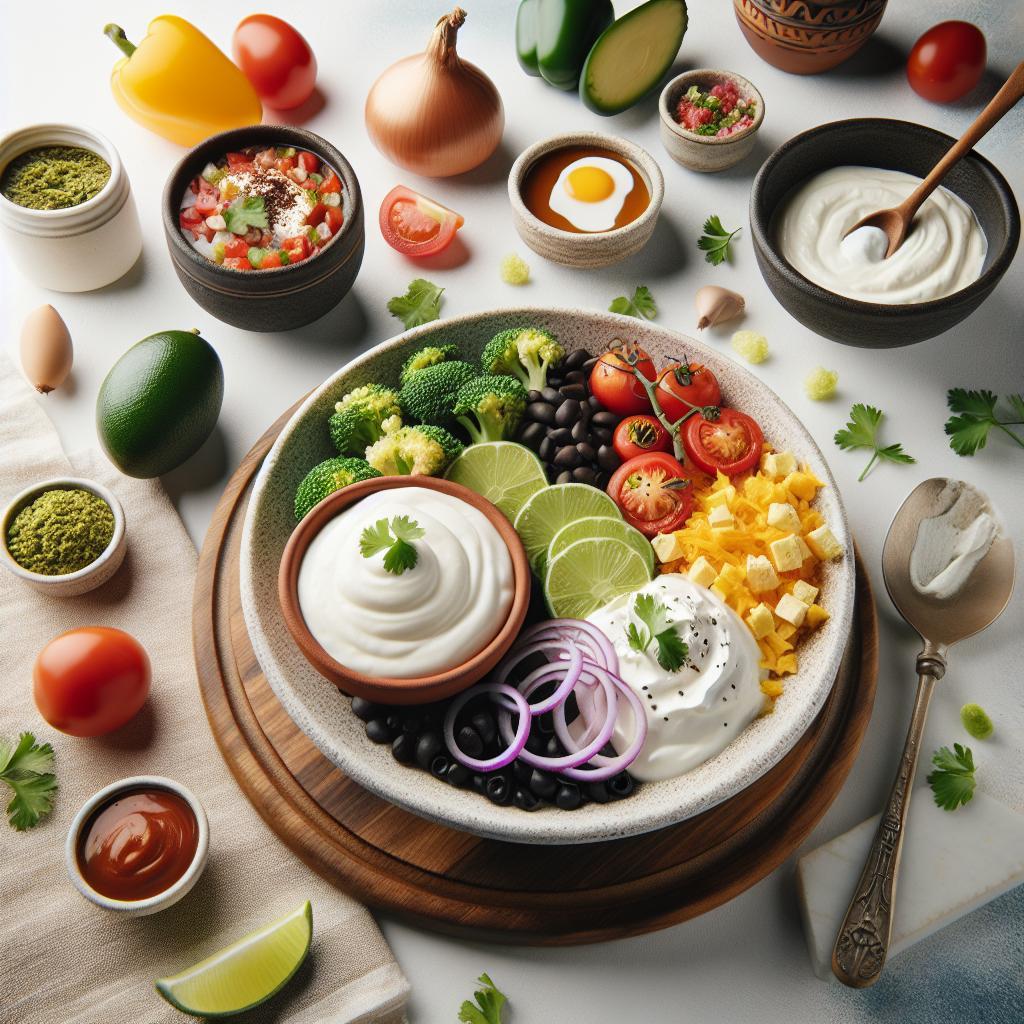
Serve crema mexicana spooned generously over warm dishes like chiles rellenos or drizzled atop spicy pozole to balance bold flavors. Garnish with fresh cilantro, a sprinkle of queso fresco, or a dash of smoked paprika to add vibrant color and aroma. Its smooth, luscious texture makes it an ideal partner for fresh corn tortillas and roasted poblano peppers, bringing a gentle tang without overpowering the dish.
| Nutrient | Per 2 tbsp (30g) |
|---|---|
| Calories | 60 |
| Protein | 0.5g |
| Carbohydrates | 0.5g |
| Fat | 6g |
For more inspiration on pairing dairy creams, explore our article on best dairy substitutes for cooking. To dive deeper into the science of fermentation, the National Dairy Council offers excellent expert insights.

Q&A
Q&A: Crema Mexicana vs Sour Cream – Key Differences Explained
Q1: What exactly is Crema Mexicana?
A: Crema Mexicana is a luscious, tangy, and slightly sweet dairy product from Mexico. Think of it as a cross between sour cream and crème fraîche, with a silky texture and a mild, creamy flavor that beautifully complements Mexican cuisine.
Q2: How does sour cream differ from Crema Mexicana in taste and texture?
A: Sour cream tends to be thicker and tangier, with a sharper bite. Crema Mexicana is smoother, more fluid, and less tart, offering a delicate balance of creaminess and subtle sweetness, making it less overpowering on the palate.
Q3: Are their uses interchangeable in recipes?
A: While they can sometimes substitute for each other, the results may vary. Crema Mexicana’s thinner consistency makes it ideal for drizzling over dishes like tacos or enchiladas. Sour cream’s thickness works well for dips or dolloping on baked potatoes. Using the right one can elevate the authenticity and texture of your dish.
Q4: What about ingredients and production-are they similar?
A: Both are made from cultured cream, but Crema Mexicana often has a higher fat content and is cultured with specific strains of bacteria that give it a milder acidity. Sour cream uses different bacterial cultures leading to its more pronounced tang.
Q5: Can you substitute one for the other in non-Mexican dishes?
A: Absolutely! Crema Mexicana can brighten salads or soups with its creamy lightness, while sour cream adds a zesty tang to baked goods or dressings. Just keep in mind the flavor and texture differences to match your dish’s needs.
Q6: Is Crema Mexicana available everywhere, or is sour cream easier to find?
A: Sour cream is widely available in most grocery stores around the world. Crema Mexicana can be found in specialty or Latin markets, but with the growing popularity of Mexican cuisine, it’s becoming easier to find or even make at home.
Q7: How do the nutritional profiles compare?
A: Both are rich in fats and calories due to their creamy nature, but Crema Mexicana may contain slightly more fat. Neither is a low-fat option, so enjoy them in moderation as flavorful accents rather than main ingredients.
Q8: Any tips for making homemade Crema Mexicana or sour cream?
A: For homemade Crema Mexicana, mix heavy cream with buttermilk and let it culture at room temperature until thickened, then refrigerate. Sour cream is similar-cultured cream left to ferment with specific bacterial cultures. Both reward patience with their fresh, tangy flavors.
Q9: Why choose Crema Mexicana over sour cream in Mexican dishes?
A: Because it’s traditional! Crema Mexicana’s silky texture and mild tang are designed to complement the bold spices and textures of authentic Mexican cuisine without overpowering the flavors.
Q10: In summary, what’s the bottom line?
A: Crema Mexicana and sour cream are close culinary cousins, each with its own unique personality. Understanding their subtle differences helps you pick the right one to bring out the best in your recipe, whether you’re cooking up a classic Mexican feast or experimenting in your own kitchen.
The Way Forward
In the flavorful world of dairy delights, Crema Mexicana and sour cream each bring their own unique charm to the table. While they may look alike at a glance, their differences in texture, taste, and culinary uses open up a spectrum of possibilities for your recipes. Whether you’re dolloping Crema Mexicana onto tacos for a silky, tangy finish or adding a spoonful of sour cream to your baked potatoes for that rich, creamy bite, knowing their distinctions empowers you to elevate your dishes with confidence. So next time you reach for that creamy topping, remember: it’s not just about what’s in the container, but how it transforms your food-and your palate-in deliciously distinct ways.