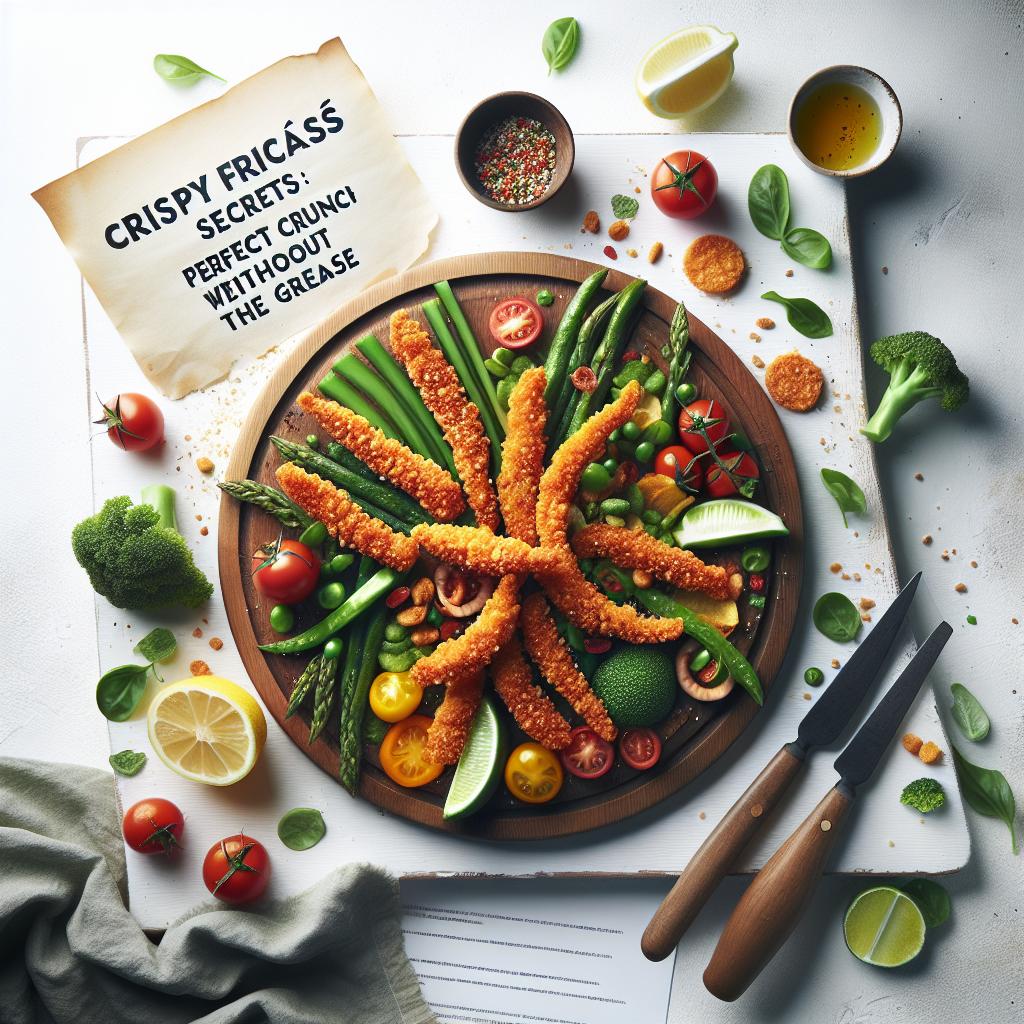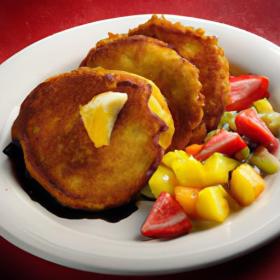

There’s something irresistibly satisfying about biting into a perfectly crispy fricassé – that golden, crunchy exterior giving way to tender, flavorful filling inside. Yet, achieving that coveted crunch without ending up with a greasy, heavy mess can feel like an elusive culinary art. In this article, we unlock the secrets behind making fricassé delightfully crispy and light, revealing tips and techniques that transform this classic dish into a guilt-free indulgence. Get ready to master the perfect crunch, minus the grease, and elevate your kitchen game to delicious new heights.
Crispy Fricassé Secrets: Perfect Crunch Without the Grease
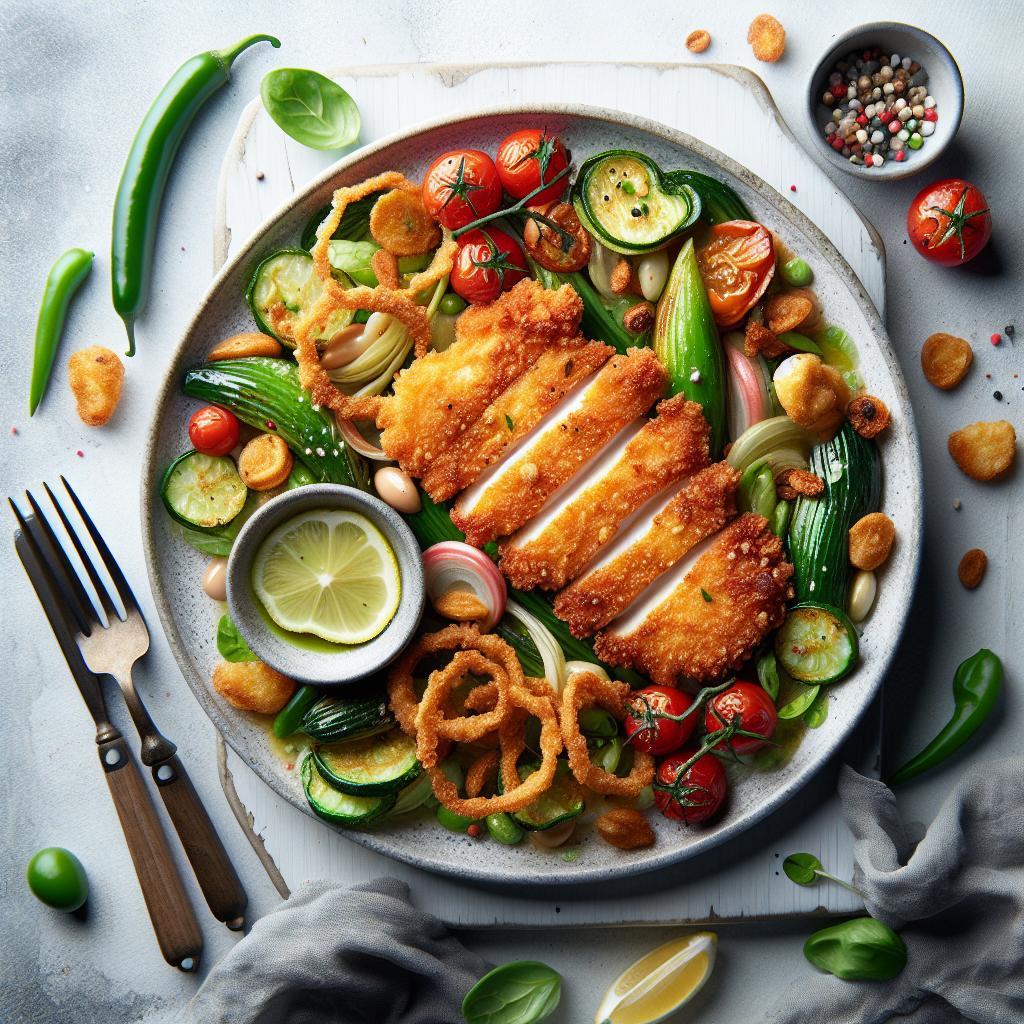
Unlocking the perfect crunch in every bite starts with embracing crispy fricassé secrets that blend flavor, texture, and wholesome cooking. This beloved dish, rooted in classical French cuisine yet beloved worldwide, transforms tender chicken and crispy coatings into a culinary masterpiece that never feels heavy or greasy.
Prep and Cook Time
Prep Time: 25 minutes | Cook Time: 20 minutes | Total Time: 45 minutes
Yield
Serves 4
Difficulty Level
Medium – perfect for home cooks ready to elevate their frying technique without overwhelm.
Ingredients
- 1 lb boneless, skinless chicken thighs, trimmed and cut into 2-inch pieces
- 1 cup all-purpose flour, sifted
- 2 large eggs, beaten
- 1 cup panko breadcrumbs for ultra-crisp coating
- 1 teaspoon smoked paprika for warmth and color
- 1 teaspoon garlic powder
- ½ teaspoon freshly ground black pepper
- ¼ teaspoon sea salt, plus extra to taste
- 2 tablespoons olive oil, plus more for pan
- 1 tablespoon unsalted butter (optional for finishing)
- Fresh parsley chopped, for garnish
- Lemon wedges for serving
Instructions
- Prepare the coating: In three shallow bowls, place flour in the first, beaten eggs in the second, and mix panko breadcrumbs with smoked paprika, garlic powder, salt, and pepper in the third. This trio creates the essential layers for the best crispy fricassé texture.
- Coat the chicken: Pat the chicken pieces dry with paper towels-dryness promotes crunch. Dredge each piece in flour, tapping off excess, dip into egg, then press firmly into the seasoned panko, ensuring an even, thick coating.
- Heat the pan smartly: Use a heavy skillet over medium heat. Add 2 tablespoons olive oil and swirl to coat. The key crispy fricassé secret here is to heat the oil slowly and keep the pan temperature steady around 325°F to prevent sogginess.
- Cook without drowning in oil: Lay chicken pieces in a single layer, leaving space between each to avoid steam traps. Cook 4-5 minutes per side until golden brown and crisp. Flip gently to preserve the crust. You may need to work in batches to keep the oil temperature consistent.
- Drain and finish: Transfer chicken to a wire rack set over a baking sheet instead of paper towels-this traps less oil and keeps rack dry for better crispiness. Optional: Add butter to the pan and spoon over chicken once plated for a glossy finish and extra flavor burst.
- Garnish and serve: Sprinkle fresh parsley and serve alongside lemon wedges to brighten each crunchy bite.
Tips for Success: Crispy Fricassé Secrets That Work Every Time
- Ingredient quality matters: Use fresh panko breadcrumbs-not old or damp-as their coarse texture embodies the crunch. Opt for high-quality olive oil for flavor and better smoke point control.
- Dry chicken is your friend: Moisture is the enemy of crisp crusts. Pat pieces dry thoroughly before starting the dredging process.
- Temperature control: Use a kitchen thermometer to maintain steady oil temperature; overheating triggers burning, underheating leads to greasy coatings.
- Alternative cooking methods: For a lighter option, try baking at 425°F on a wire rack or air frying at 400°F for 15 minutes, flipping halfway. Both methods uphold the crispy fricassé secrets while significantly reducing oil usage.
- Make-ahead: Coat chicken pieces and freeze on a tray before transferring to bags. Fry or bake straight from frozen-reduces prep time and preserves crispy texture.
Serving Suggestions
Our crispy fricassé secrets reveal a versatile crunch star that pairs beautifully with vibrant slaws, zesty aioli dips, or a light herbed salad. For a more indulgent experience, serve alongside buttery mashed potatoes or garlic-roasted vegetables. Top with fresh lemon juice to lend a refreshing citrus pop that cuts through richness.

| Nutrient | Per Serving |
|---|---|
| Calories | 320 kcal |
| Protein | 28 g |
| Carbohydrates | 18 g |
| Fat | 14 g |
For more tips on healthy frying techniques and recipes with irresistible crunch, check out our Ultimate Air Fryer Chicken Guide. To understand the science behind batter and crispiness, visit Serious Eats, a trusted culinary resource.
Q&A
Q&A: Crispy Fricassé Secrets – Perfect Crunch Without the Grease
Q1: What exactly is fricassé, and why is its crispiness so iconic?
A1: Fricassé is a beloved fried dough specialty from various cultures, often served as a savory treat. Its signature charm lies in the irresistible crunch that greets your first bite-a golden, crackling exterior that contrasts beautifully with a soft, fluffy inside. That crispiness is what makes fricassé not just food, but an experience.
Q2: Why do some fricassés turn out greasy instead of crispy?
A2: Grease often sneaks in when the oil temperature isn’t quite right, or when the dough soaks up too much oil during frying. If the oil is too cool, the dough stays in the oil longer, absorbing excess fat. Conversely, if it’s too hot, the crust can burn before the inside cooks, leading to a greasy and undercooked center. Proper technique and temperature balance are key.
Q3: How can home cooks achieve that perfect crunch without the oily aftermath?
A3: The secret starts with the oil temperature-aim for a steady 350-375°F (175-190°C). Using a deep, heavy-bottomed pan helps maintain consistent heat. Another trick is not overcrowding the pan; giving your fricassé space allows the temperature to stay stable and the dough to crisp evenly. Lastly, drain your fricassés on paper towels or a wire rack immediately after frying to whisk away excess oil.
Q4: Does the dough recipe play a role in achieving crispiness?
A4: Absolutely. A lighter, well-aerated dough with the right balance of hydration and a touch of fat like butter or oil can fry up crispier. Overworking the dough or adding too much liquid can weigh it down, making it oil-logged and chewy instead of crisp. Some chefs even incorporate a little rice flour or cornstarch for an extra snappy texture.
Q5: Are there alternative frying methods that reduce oil absorption but keep the crunch?
A5: Yes! Air frying fricassé can create a surprisingly crispy texture with far less oil. Additionally, shallow frying in a smaller amount of oil with frequent turning can help achieve crispiness without complete submersion. Baking with a light oil spray is another avenue-though it may not replicate the deep-fried crunch exactly, it offers a healthier, less greasy alternative.
Q6: Can seasoning affect the texture or just the flavor?
A6: Primarily, seasoning lifts flavor, but some ingredients can subtly influence texture. For example, adding a pinch of baking powder or baking soda creates tiny air bubbles in the dough, which can help with fluffiness and crispness once fried. Salt in the dough not only enhances taste but also strengthens gluten structure slightly, impacting the bite.
Q7: What’s a pro tip for serving fricassé hot and crispy when cooking in batches?
A7: Keep finished fricassés warm on a wire rack set over a baking sheet in a low oven (around 200°F or 90°C). This setup lets air circulate and prevents soggy bottoms. Avoid stacking them, which traps steam and softens the crust-crispiness loves space to breathe!
Q8: Are there any cultural twists to the fricassé crispy-crunch ritual?
A8: Indeed! Many cultures add their own flair-whether it’s a douse of spice, a sweet glaze, or a savory dip-that complements the crunch. Experimenting with these can elevate the fricassé from a humble snack to a sensational centerpiece, all while preserving that precious crispy edge.
Unlock the secrets to fricassé perfection and enjoy every crunchy, grease-free bite!
In Summary
As the golden crust of your fricassé reaches that perfect, irresistible crunch without an oily aftermath, you’ll realize that mastering this delicate balance is both an art and a science. With these crispy fricassé secrets in your culinary toolkit, say goodbye to soggy disappointments and greasy regrets. Instead, welcome a symphony of texture and flavor that elevates this classic dish to new crispy heights-proof that perfection is not just about what’s on the plate, but how it gets there. Now, it’s your turn to crunch confidently and savor every guilt-free bite.