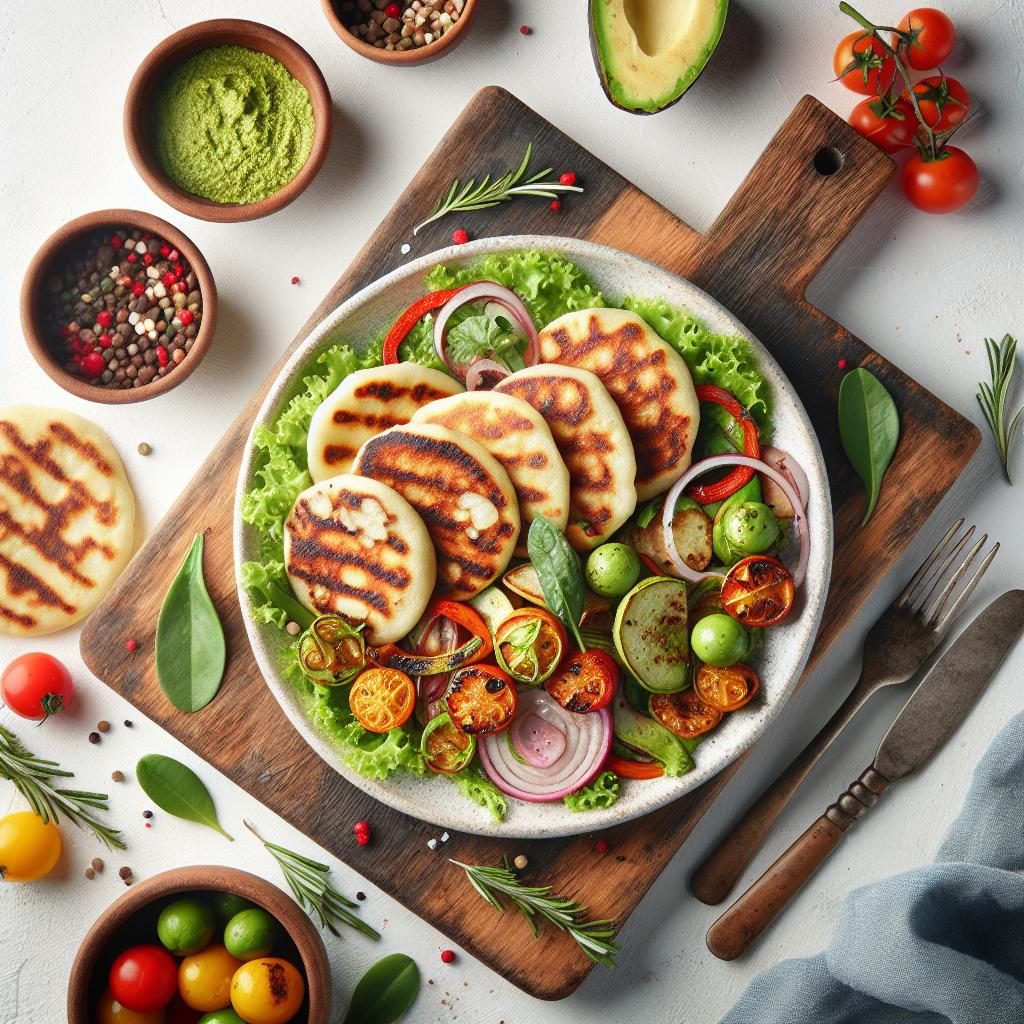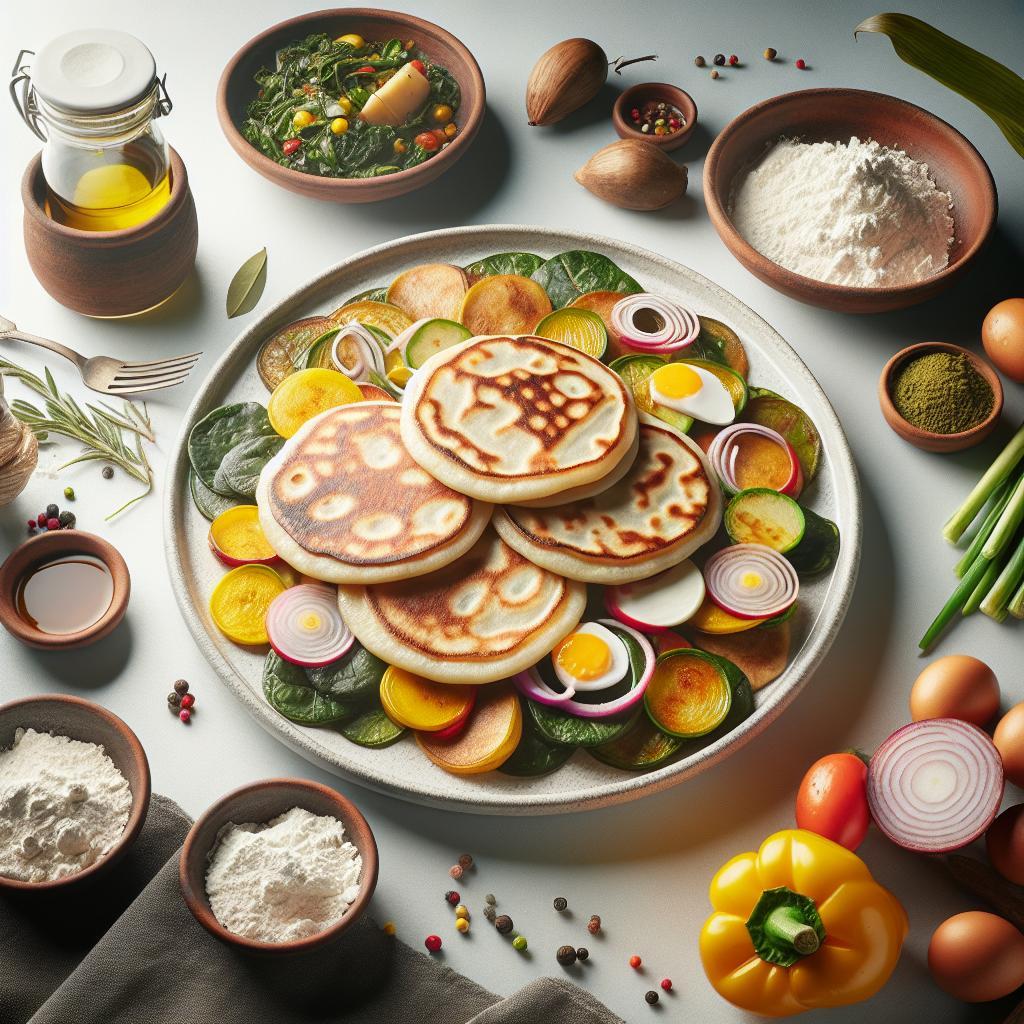

In the heart of Colombia’s Andean highlands lies a culinary treasure that has been savoring taste buds for generations-Arepas Boyacenses. These golden, slightly sweet corn cakes are more than just a dish; they are a warm embrace of tradition, culture, and history wrapped in each bite. Rooted in the Boyacá region, a land known for its rich soil and vibrant heritage, authentic Arepas Boyacenses tell a story of indigenous craftsmanship and timeless family recipes passed down through the ages. In this guide, we’ll journey through the origins of this beloved Colombian specialty, explore its unique ingredients and preparation techniques, and unlock the secrets to making your own perfect arepas at home. Whether you’re a curious foodie or an adventurous cook, prepare to experience a delicious connection to Colombia’s culinary soul.
Authentic Colombian Arepas Boyacenses embody centuries of culinary tradition from Colombia’s Boyacá region, where each bite reveals a symphony of textures and flavors. Originating from indigenous roots, these arepas are distinguished by their slightly sweet, soft interiors and golden, crispy exteriors, enriched with fresh corn and local cheese. I vividly remember my first encounter with these delectable treats during a visit to the highlands of Boyacá-each arepa was a warm embrace of heritage and home.
Prep and Cook Time
- Preparation: 20 minutes
- Cooking: 25 minutes
- Total: 45 minutes
Yield
Makes 6 to 8 medium-sized arepas
Difficulty Level
Medium – perfect for intermediate cooks seeking to explore traditional Colombian recipes
Key Ingredients That Bring Arepas Boyacenses to Life
- 2 cups fresh corn kernels (or frozen, thawed)
- 1 cup pre-cooked cornmeal (masarepa or harina precocida de maíz)
- 1 cup crumbled white cheese (queso fresco or farmer’s cheese)
- 1/2 cup whole milk, warmed
- 2 tablespoons unsalted butter, softened
- 1 tablespoon granulated sugar
- 1 teaspoon baking powder
- 1/2 teaspoon salt
- Vegetable oil, for frying
Step by Step Guide to Crafting the Perfect Arepas Boyacenses
- Prepare the corn base: In a food processor, pulse the fresh corn kernels until coarsely ground but not pureed, preserving some texture for authentic bite.
- Mix dry ingredients: In a large bowl, combine pre-cooked cornmeal, baking powder, sugar, and salt. Stir well to evenly distribute.
- Form the dough: Add the pulsed corn kernels, crumbled cheese, softened butter, and warmed milk into the dry mix. Stir until a cohesive dough forms. Let it rest 10 minutes-this enhances moisture absorption, ensuring tender arepas.
- Shape the arepas: Divide the dough into 6-8 equal portions. With lightly moistened hands, shape each into a flat disc approximately 4-5 inches in diameter and 1/2 inch thick.
- Cook the arepas: Heat a cast iron skillet or heavy non-stick pan over medium heat. Add a thin layer of vegetable oil. Fry the arepas for about 5 minutes on each side or until golden brown and crisp. Press gently with a spatula for even cooking.
- Bake for finishing touch: Transfer arepas to a preheated oven at 350°F (175°C) and bake for 10 minutes. This step solidifies the interior, giving that satisfyingly soft texture.
- Rest and serve: Remove from oven, let cool slightly on a wire rack for 5 minutes to prevent sogginess. Ready to enjoy!
Tips for Success
- Use freshly crumbled cheese specific to Colombian markets (queso campesino) for authentic flavor, or substitute with ricotta salata for a closer texture.
- If dough feels too wet, add small amounts of cornmeal gradually; if too dry, moisten with milk sparingly.
- Resting the dough is essential-it activates starches for softness and cohesiveness.
- For a gluten-free version, verify your cornmeal is 100% corn without additives.
- Make ahead tip: after baking, cool completely then freeze in airtight containers. Reheat in a toaster oven for revived crispness.
Serving Suggestions and Tips for Enjoying Traditional Flavors
These arepas shine on their own, but pairing them with fresh guava paste (bocadillo) or a drizzle of melty butter takes the experience higher. For a vibrant meal, serve hot arepas alongside scrambled eggs, ripe avocado slices, and a cup of Colombian hot chocolate. Garnish with a sprinkle of fresh cilantro or extra crumbly cheese for color and texture contrast.
For an authentic touch, present on rustic wooden boards with small bowls of hogao sauce and ají picante salsa for dipping, elevating each bite with traditional condiments.
| Nutritional Info (per arepa) | Calories | Protein (g) | Carbs (g) | Fat (g) |
|---|---|---|---|---|
| Arepas Boyacenses | 210 | 6 | 32 | 6 |

Discover more Colombian culinary gems in our Traditional Colombian Breakfast Recipes collection. For deeper insight into corn’s cultural role in Colombian cooking, explore this corn heritage resource.
Q&A
Q&A: Authentic Colombian Arepas Boyacenses – A Traditional Recipe Guide
Q1: What makes Arepas Boyacenses different from other Colombian arepas?
A1: Arepas Boyacenses hail from the Boyacá region of Colombia and are distinct thanks to their sweet, rich flavor profile. Unlike many savory or plain arepas, these arepas incorporate fresh white cheese and a touch of sugar, giving them a delightful balance of savory and sweet. They’re thicker, softer, and often have a light golden crust that’s simply irresistible.
Q2: What are the key ingredients needed to make authentic Arepas Boyacenses?
A2: The magic lies in a simple yet purposeful blend: corn flour (preferably precooked white cornmeal), fresh queso costeño (a salty Colombian white cheese), butter, eggs, milk, and a hint of sugar. Some traditional recipes also call for a pinch of salt to elevate the flavors subtly.
Q3: How do you achieve the perfect texture for Arepas Boyacenses?
A3: Texture is everything! The dough should be moist but not sticky-soft enough to shape with your hands but firm enough to hold its form during cooking. The fresh cheese melts slightly inside, creating pockets of luscious creaminess, while the butter and eggs ensure a tender crumb. Cooking them slowly on a griddle or skillet allows the outside to crisp lightly without drying the inside.
Q4: Can Arepas Boyacenses be eaten at any time of the day?
A4: Absolutely! Traditionally, Arepas Boyacenses are enjoyed hot, straight off the griddle, often as a breakfast treat or an afternoon snack with hot chocolate or coffee. Their sweet-savory flavor also makes them a versatile companion to soups and stews at lunchtime or dinner.
Q5: Are there any traditional accompaniments or toppings served with Arepas Boyacenses?
A5: While these arepas are often savored on their own, you can pair them with mantequilla (butter) or a drizzle of arequipe (Colombian caramel) for an extra indulgence. Some locals enjoy them alongside hogao, a tomato and onion sauce, or with avocado slices for a fresh touch.
Q6: What cultural significance do Arepas Boyacenses hold in Colombian cuisine?
A6: Arepas Boyacenses are more than just food-they’re a culinary emblem of Boyacá’s rich heritage. Passed down through generations, these arepas embody the region’s agricultural traditions and communal spirit. Sharing them during family gatherings or local festivals represents warmth, hospitality, and regional pride.
Q7: Can I substitute ingredients if I can’t find traditional Colombian cheese or cornmeal?
A7: While fresh Colombian queso costeño is ideal, a crumbly, slightly salty white cheese such as feta or farmer’s cheese can serve as a substitute. For the precooked cornmeal, make sure to use one labeled for arepas or tamales to maintain the right texture; regular cornmeal or polenta won’t deliver the same results.
Q8: Any tips for perfecting this recipe on your first try?
A8: Take your time mixing the dough to ensure even hydration of the corn flour, and don’t rush the cooking process-moderate heat is key. Use a non-stick pan or well-seasoned griddle and flip the arepas carefully to prevent breaking. And most importantly, enjoy the process-it’s as much about connecting with Colombian culture as it is about the delicious outcome!
Embrace the flavors and traditions of Boyacá with this authentic arepa recipe, and bring a taste of Colombia’s heartland into your kitchen. Buen provecho!
Closing Remarks
As you’ve seen, Authentic Colombian Arepas Boyacenses are more than just a simple dish-they are a flavorful journey into the heart of Boyacá’s culinary heritage. Each step in this traditional recipe invites you to connect with generations of cooks who have perfected this beloved treat. Whether you savor them fresh off the griddle or share them with family and friends, these arepas carry the warmth and spirit of Colombia in every bite. So roll up your sleeves, gather your ingredients, and let this timeless recipe bring a slice of Colombian tradition right to your kitchen. Your taste buds-and your soul-will thank you.