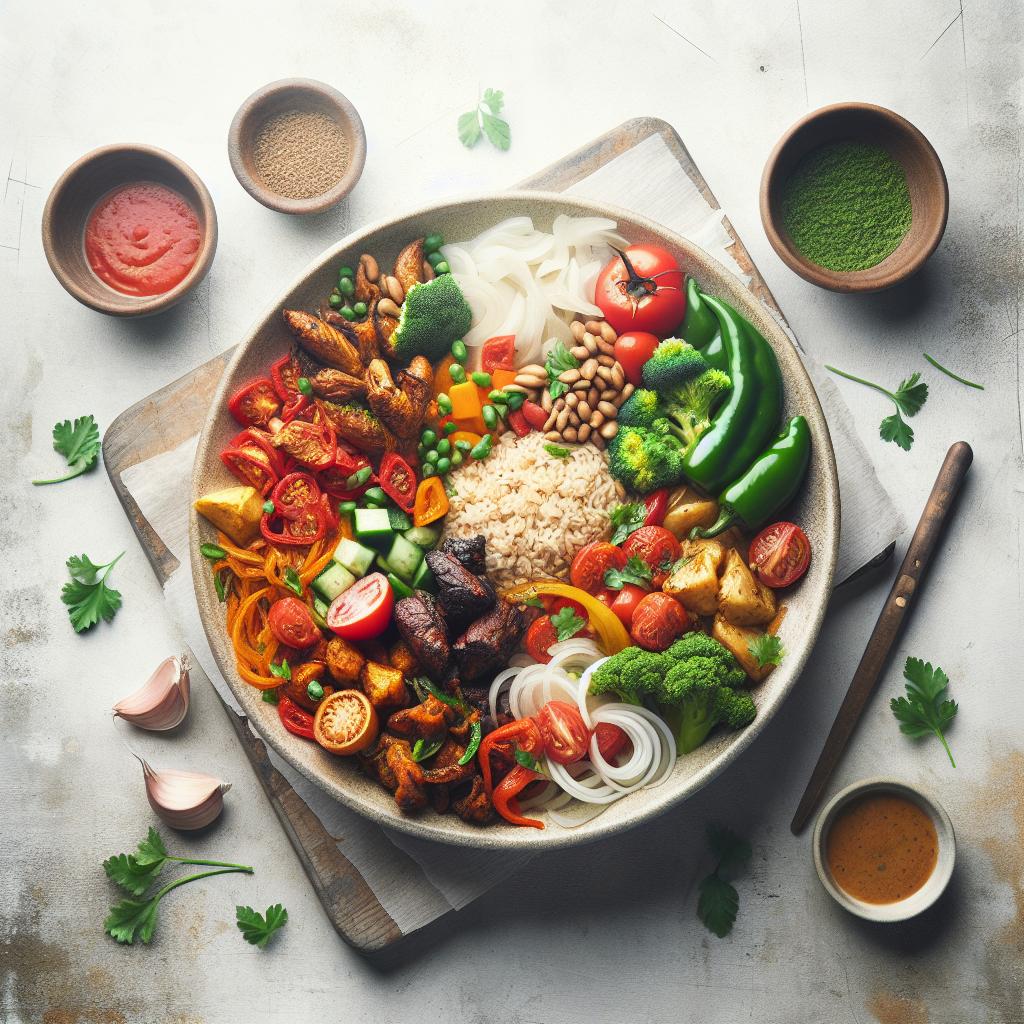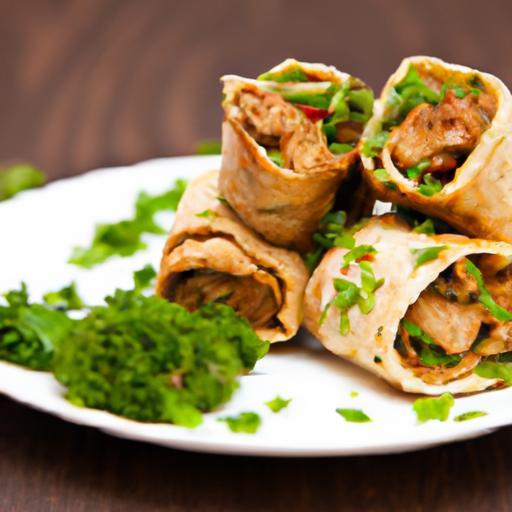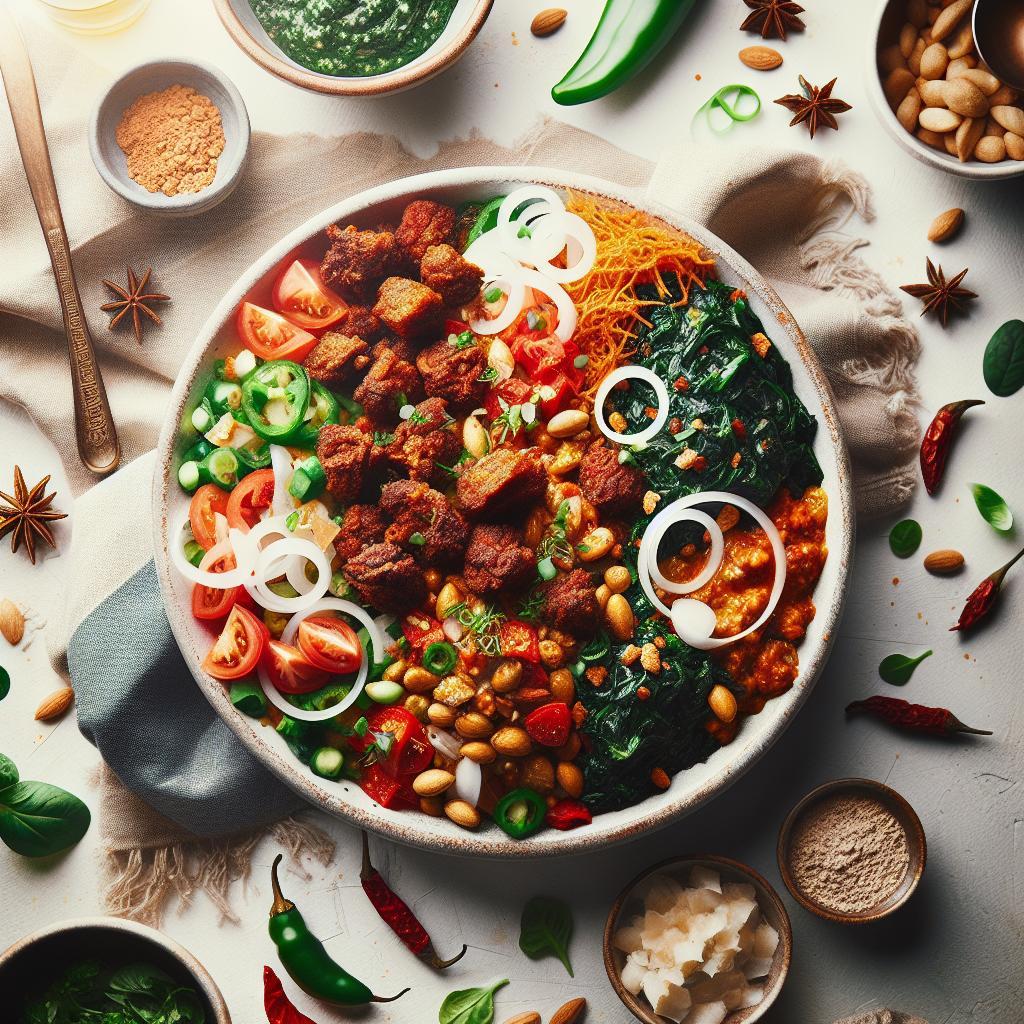

There’s a world of flavor waiting just beyond your doorstep-vibrant, bold, and alive with stories from bustling markets and lively street corners. West African street food is a celebration of colors, aromas, and tastes that ignite the senses and bring communities together through every bite. From smoky suya skewers sizzling over open flames to the sweet, fiery kick of puff-puff doughnuts dusted with chili powder, these dishes don’t just feed the body-they tell tales of heritage, tradition, and innovation. In this ultimate guide, we’ll take you on a flavorful journey through the heart of West African street cuisine, offering tips to recreate these irresistible dishes and spice up your home with authentic tastes that will transport you straight to the vibrant streets of Lagos, Accra, and Dakar. Get ready to awaken your palate and embark on a culinary adventure like no other!
Authentic Jollof Rice: A Vibrant Staple of West African Street Food
Spice Up Your Home: Ultimate Guide to West African Street Food begins with the beloved Jollof Rice, a dish that transcends borders across West Africa with its rich layers of flavor and captivating aroma. Originating from the Senegambian region, this one-pot wonder is a celebration of smoky, spicy tomato goodness infused with fragrant herbs and bold spices. I recall my first taste at a bustling Lagos street market, where the rich tomato base and tender grains made me crave more with every bite-truly a dish that exemplifies communal warmth and vibrancy.
Prep and Cook Time
- Preparation Time: 20 minutes
- Cooking Time: 40 minutes
Yield
- Serves 4-6 people
Difficulty Level
- Medium-perfect for adventurous home cooks eager to master an iconic West African staple
Ingredients
- 2 cups long-grain parboiled rice, rinsed and drained
- 4 large ripe tomatoes, pureed
- 1/2 cup tomato paste
- 1 large red bell pepper, blended
- 1 medium onion, finely chopped
- 3 cloves garlic, minced
- 1 inch fresh ginger, minced
- 3 tbsp vegetable oil (or palm oil for an authentic touch)
- 2 cups chicken or vegetable broth
- 1 tsp smoked paprika
- 1 tsp thyme (dried or fresh)
- 1 tsp curry powder
- 2 bay leaves
- 1 scotch bonnet pepper, deseeded (optional for heat)
- Salt and black pepper to taste
- Fresh parsley or cilantro for garnish
Instructions
- Heat oil in a large heavy-bottomed pot over medium heat. Sauté the chopped onions until translucent, about 5 minutes, stirring regularly to avoid burning.
- Add garlic and ginger, cooking for 1-2 minutes until aromatic.
- Pour in the pureed tomatoes, red bell pepper, and tomato paste. Stir well and let the mixture reduce and thicken, approximately 10 minutes, stirring occasionally to prevent sticking or burning.
- Season the sauce with smoked paprika, thyme, curry powder, salt, and black pepper. Add the scotch bonnet pepper whole to infuse heat without overwhelming the dish-remove before serving.
- Pour in the chicken or vegetable broth and bring to a gentle boil.
- Add the rinsed rice and bay leaves, stirring gently to combine without breaking the grains.
- Reduce heat to low and cover tightly with a lid. Simmer for 25-30 minutes, until the rice is tender and the liquid absorbed. Avoid lifting the lid to maintain steam.
- Once cooked, remove from heat and let sit covered for 5 minutes. Discard the bay leaves and scotch bonnet pepper.
- Gently fluff the rice with a fork and garnish with fresh parsley or cilantro before serving.
Tips for Success
- Rice selection: Long-grain parboiled rice works best for fluffy, separate grains. Avoid sticky short-grain rice.
- Tomato paste: Enhances depth and color-don’t skip it for a vibrant result.
- Balancing heat: Adjust the scotch bonnet pepper according to your spice tolerance. Removing seeds reduces heat significantly.
- Make ahead: Jollof tastes even better the next day. Store leftovers in an airtight container, refrigerate for up to 3 days, and reheat with a splash of broth.
Serving Suggestions
Plate your Jollof Rice alongside freshly grilled Suya skewers, garnished with sliced onions, tomatoes, and a sprinkle of crushed peanuts for delightful texture. Pair with a crisp side salad or fried plantains for an authentic street food feast. A chilled ginger drink or fresh coconut water beautifully balances the spices for a complete sensory escape.

| Nutrient | Per Serving (1 cup) |
|---|---|
| Calories | 320 |
| Protein | 6g |
| Carbohydrates | 55g |
| Fat | 8g |
For further inspiration, explore our detailed Suya Skewers recipe that complements this Jollof Rice perfectly. To deepen your understanding of traditional West African spices and their health benefits, visit the NCBI public health resource.
Q&A
Q&A: Spice Up Your Home – Ultimate Guide to West African Street Food
Q1: What makes West African street food so unique and exciting?
A1: West African street food is a vibrant tapestry of bold flavors, rich spices, and diverse cooking techniques. From spicy jollof rice to crispy puff-puff, it’s a sensory celebration that combines indigenous ingredients with a communal spirit-making each dish not just a meal, but a cultural experience.
Q2: How can I recreate the authentic taste of West African street food at home?
A2: The key is in the ingredients and the love! Stock up on staples like palm oil, Scotch bonnet peppers, dried fish, and aromatic spices such as ginger, garlic, and cloves. Embrace slow-cooking methods for stews and practice balancing heat, sweetness, and sourness. Also, don’t be shy to experiment-authenticity is as much about heart as it is about recipe precision.
Q3: What are some easy West African street food dishes for beginners?
A3: Start with simple classics like Suya (spiced grilled skewers), Puff-Puff (sweet fried dough balls), and Akara (black-eyed pea fritters). These are straightforward, require minimal cooking skills, and pack a punch of flavor that’s sure to impress.
Q4: Is West African street food healthy?
A4: Absolutely! Many dishes incorporate fresh vegetables, legumes, and lean proteins. The use of natural spices enhances flavor without relying on heavy salts or artificial additives. Plus, street food culture embraces fresh, made-to-order meals that spotlight wholesome, locally sourced ingredients.
Q5: How can I bring the street food vibe into my home kitchen?
A5: Create an inviting atmosphere with colorful table settings and play some Afrobeat music to set the mood. Use simple utensils like wooden skewers or banana leaves for serving, and invite family or friends to share dishes “family-style” – this mirrors the communal essence of West African street dining.
Q6: Where can I find West African ingredients if I don’t have a local market?
A6: Online specialty stores and international grocery retailers are treasure troves for West African staples. Look for palm oil, dried smoked fish, and traditional spices. You can also substitute some ingredients with local equivalents, but be mindful that the authentic flavor might vary slightly.
Q7: Can I make West African street food vegan or vegetarian-friendly?
A7: Definitely! Many West African recipes are naturally plant-based, with beans, yams, and vegetables playing starring roles. Swap out meat for mushrooms or tofu in stews, and use vegetable oil instead of palm oil if preferred. The robust spice blends and sauces ensure none of the flavor gets lost in translation.
Q8: What’s the best way to start exploring West African street food beyond the kitchen?
A8: Experience is everything! Visit local West African restaurants, food festivals, or cultural events. Engage with communities that celebrate this cuisine to learn stories and traditions behind the dishes, which will deepen your appreciation and inspire your cooking journey.
Q9: How does West African street food reflect the region’s culture?
A9: Street food in West Africa is more than just sustenance-it’s a snapshot of history, migration, and social connection. Ingredients tell stories of local farming and trade routes; recipes pass down generations; and street vendors act as community hubs where people from all walks of life gather to share food and friendship.
Q10: What are some must-try West African street foods that embody the region’s diversity?
A10: Don’t miss these gems: Jollof Rice, the spicy one-pot rice dish loved across countries; Kelewele, sweet and spicy fried plantains; Boli, roasted plantain with spicy peanut sauce; and Moimoi, a steamed bean pudding. Each offers a taste of a different corner of West Africa’s flavorful map.
Dive in, experiment boldly, and let West African street food spark a new culinary adventure right in your own kitchen!
Closing Remarks
As the vibrant aromas and bold flavors of West African street food continue to inspire kitchens around the world, your culinary adventure is just beginning. From fiery jollof rice to crispy suya and tender akara, each dish is a celebration of culture, history, and community. So, why settle for ordinary when you can spice up your home with these irresistible street eats? Embrace the rhythm of West Africa’s bustling streets right in your own kitchen – your taste buds will thank you, and your gatherings will never be the same. Dive in, explore, and let every bite tell a story worth savoring.