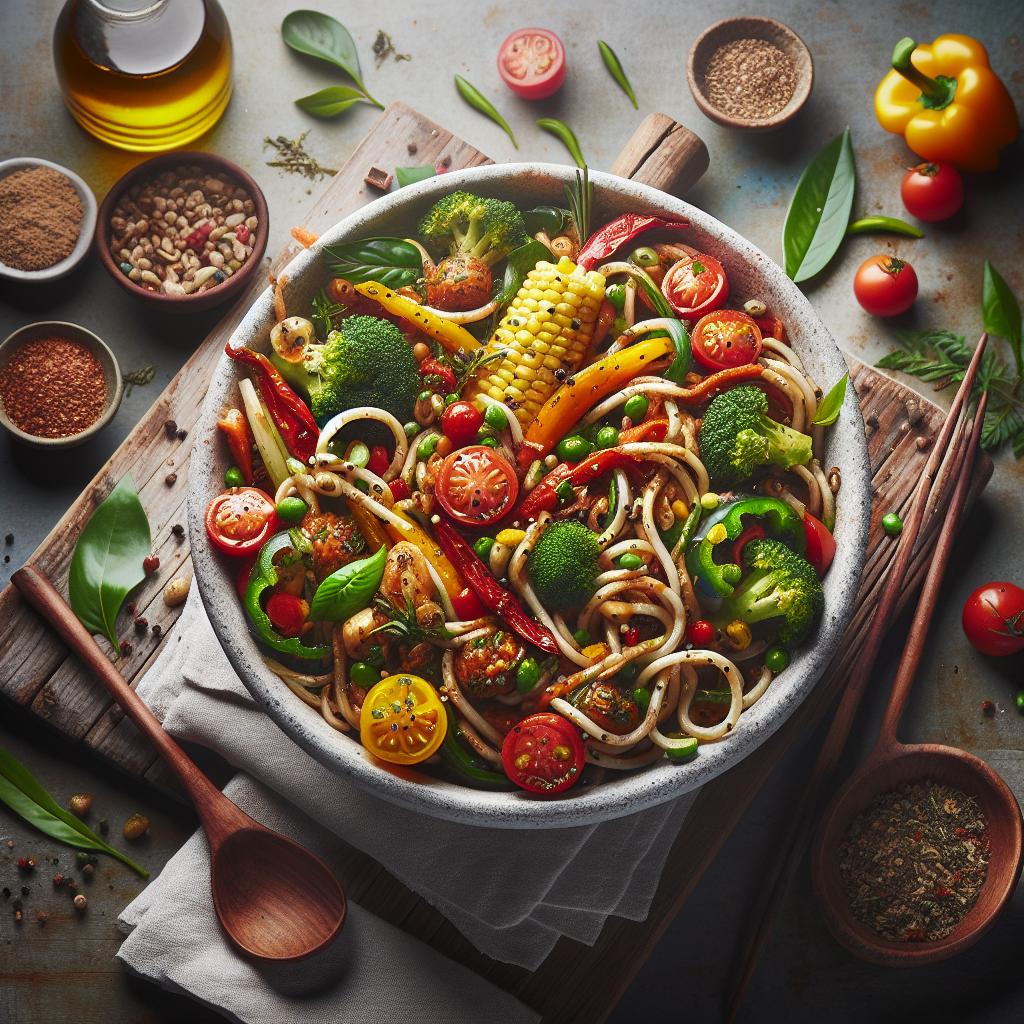

In the vibrant tapestry of Caribbean culture, few culinary traditions resonate as deeply as Ital food-a soulful expression of Rastafarian philosophy and a celebration of nature’s purest gifts. More than just a diet, Ital embodies a harmonious balance between body, mind, and spirit, where every ingredient tells a story of connection, health, and reverence for the earth. Journey with us as we unveil the heart of Rastafarian cuisine, exploring the rich flavors, sacred principles, and cultural rhythms that make Ital food a nourishing beacon of wellness and identity. Whether stirred through bubbling pots of callaloo or the fragrant embrace of spices in a hearty stew, Ital invites us all to savor food that feeds not only the body but the soul.
Ital Food Unveiled: The Heart of Rastafarian Cuisine
Ital Food Unveiled: The Heart of Rastafarian Cuisine invites you on a vibrant culinary journey deep into Jamaica’s spiritual and natural traditions. Rooted in the Rastafarian philosophy of living pure and close to nature, this plant-based cuisine celebrates unprocessed, wholesome ingredients with intense colors and flavors that nourish the body and soul simultaneously. Each bite is a testament to sustainability, harmony, and the vibrant culture of the Caribbean island.
Prep and Cook Time
- Preparation: 20 minutes
- Cooking: 40 minutes
- Total: 1 hour
Yield
Serves 4 generous portions
Difficulty Level
Medium – approachable yet rich with layered flavors
Essential Ingredients That Define Authentic Ital Cuisine
- 3 cups fresh callaloo leaves, chopped (or substitute with spinach)
- 1 cup yam, peeled and cubed
- 1 medium carrot, sliced
- 1 cup pumpkin chunks
- 2 cloves garlic, finely minced
- 1 medium onion, diced
- 1 Scotch bonnet pepper, whole (optional for heat)
- 1 tbsp coconut oil
- 2 cups coconut milk, fresh or canned
- 1 tsp sea salt or to taste
- 1 tsp fresh thyme
- 1 tbsp freshly grated ginger
- 1 tbsp lemon juice
- Fresh parsley for garnish
Cooking Techniques to Preserve Flavor and Spirituality
In a tradition that respects the earth, Ital cooking purposely avoids chemicals, salts, and artificial additives. Using gentle, slow simmering and steaming methods retains the nutrients and essence of the ingredients. The whole Scotch bonnet pepper is added without piercing to infuse flavor subtly without overpowering. Coconut oil is used not only for its flavor but for its health benefits, reflecting the Ital principle of natural nourishment. Every step is a mindful process to honor the connection between food and spirit.
Instructions
- Prepare the vegetables: Wash all fresh produce thoroughly. Peel and cube the yam and pumpkin. Chop callaloo leaves and slice the carrot. Set aside.
- Sauté aromatics: Heat 1 tbsp coconut oil in a large pot over medium heat. Add garlic, onion, and grated ginger. Sauté until fragrant and translucent, about 3-4 minutes.
- Add root vegetables: Toss in yam, pumpkin, and carrot. Stir gently to coat in the oil and aromatics.
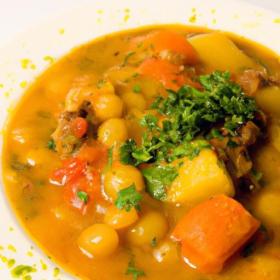
- Pour coconut milk: Add 2 cups coconut milk and bring to a gentle simmer. Add the whole Scotch bonnet pepper for flavor. Cover and cook for 20 minutes, or until root vegetables are tender but not mushy.
- Add callaloo and herbs: Stir in callaloo, thyme, and sea salt. Cook uncovered for another 5-7 minutes until callaloo is wilted and vibrant green.
- Finish with lemon juice: Remove from heat, take out the Scotch bonnet pepper carefully, and stir in lemon juice for brightness.
- Garnish and serve: Spoon into bowls and garnish with fresh parsley. Serve warm with a side of steamed brown rice or roasted breadfruit.
Chef’s Notes: Tips for Success
- For a smokier taste, char the Scotch bonnet pepper slightly before adding, but do not pierce to keep the spice subtle.
- Substitute callaloo with collard greens or kale if unavailable, keeping the Ital integrity intact.
- This dish is naturally gluten-free and vegan; ensure your coconut milk is pure without additives for authentic flavor.
- Make ahead: Cook the base and refrigerate. Reheat gently with a splash of coconut milk to revive creaminess.
- Feel free to incorporate other root vegetables like dasheen or sweet potato to enrich texture.
Serving Suggestions
This soul-warming Ital stew pairs beautifully with simple sides that respect its richness:
- Steamed brown rice-nutty and hearty, perfect for soaking up the creamy broth.
- Roasted breadfruit slices-a starchy Caribbean classic that complements texture.
- Fresh vegetable salad with lime dressing adds refreshing crispness.
- Garnish with diced avocado or a dash of freshly cracked black pepper for extra depth.
| Nutrient | Per Serving |
|---|---|
| Calories | 280 kcal |
| Protein | 5 g |
| Carbohydrates | 30 g |
| Fat | 15 g |

Experience the true essence of Ital Food Unveiled: The Heart of Rastafarian Cuisine through this nurturing dish-where every bite is a blend of culture, nature, and spiritual vitality. For more vibrant Jamaican recipes, explore our Jamaican Plant-Based Dishes collection. To deepen your understanding of Rastafarian culture and its food philosophy, visit this Rastafari overview at Britannica.
Q&A
Q&A: Ital Food Unveiled – The Heart of Rastafarian Cuisine
Q1: What is Ital food, and why is it so important to the Rastafarian culture?
A1: Ital food is much more than a diet-it’s a sacred expression of the Rastafarian way of life. Rooted deeply in the principles of natural living, Ital food emphasizes purity, wholesomeness, and respect for the Earth. The word “Ital” itself stems from “vital,” symbolizing that this cuisine nurtures the body, mind, and spirit in harmony with nature. For Rastafarians, eating Ital is a spiritual practice that reinforces their connection to Jah (God) and their commitment to living clean and free from harm.
Q2: What are the core principles behind Ital cooking?
A2: Ital cuisine is guided by simplicity and purity. It excludes processed ingredients, artificial additives, and often omits salt, emphasizing natural flavors and nutritional integrity. Foods are typically fresh, organic, and plant-based-celebrating fruits, vegetables, legumes, whole grains, and herbs. The preparation methods aim to preserve natural vitality: steaming, boiling, or lightly cooking ingredients, rather than frying or heavy seasoning. Above all, Ital food respects the life force within each ingredient, fostering holistic wellbeing.
Q3: Are there any specific ingredients that define Ital food?
A3: Ital food thrives on the bounty of the earth. Staples include ackee, callaloo, yam, breadfruit, coconut, and a colorful array of fresh vegetables like pumpkin, spinach, and okra. Beans and lentils provide wholesome protein, while coconut milk and natural herbs lend richness and depth without artificial additives. The emphasis is on living foods-those grown naturally without chemicals-to support vitality and spiritual balance.
Q4: How does Ital food reflect Rastafarian philosophy and worldview?
A4: Rastafarianism embraces oneness with nature and reverence for life, which Ital food perfectly embodies. By honoring the earth’s gifts in their purest form, Ital cuisine becomes a medium for spiritual discipline and healing. It also advocates self-sufficiency and respect for the environment, standing against industrial agriculture and modern processed food systems that harm the planet. Eating Ital is a daily ritual of mindfulness, honoring Jah’s creation and nurturing the body as a temple.
Q5: Can non-Rastafarians enjoy Ital food, and how accessible is it today?
A5: Absolutely! Ital food’s vibrant flavors and nourishing qualities appeal far beyond Rastafarian communities. Its plant-based, whole-food focus resonates strongly with today’s wellness and sustainability movements worldwide. From humble street stalls in Jamaica to gourmet kitchens globally, Ital-inspired dishes are gaining popularity for their taste and health benefits. Anyone seeking a sincere connection to natural eating and soulful nourishment can embrace Ital food with open arms.
Q6: What does a typical Ital meal look like?
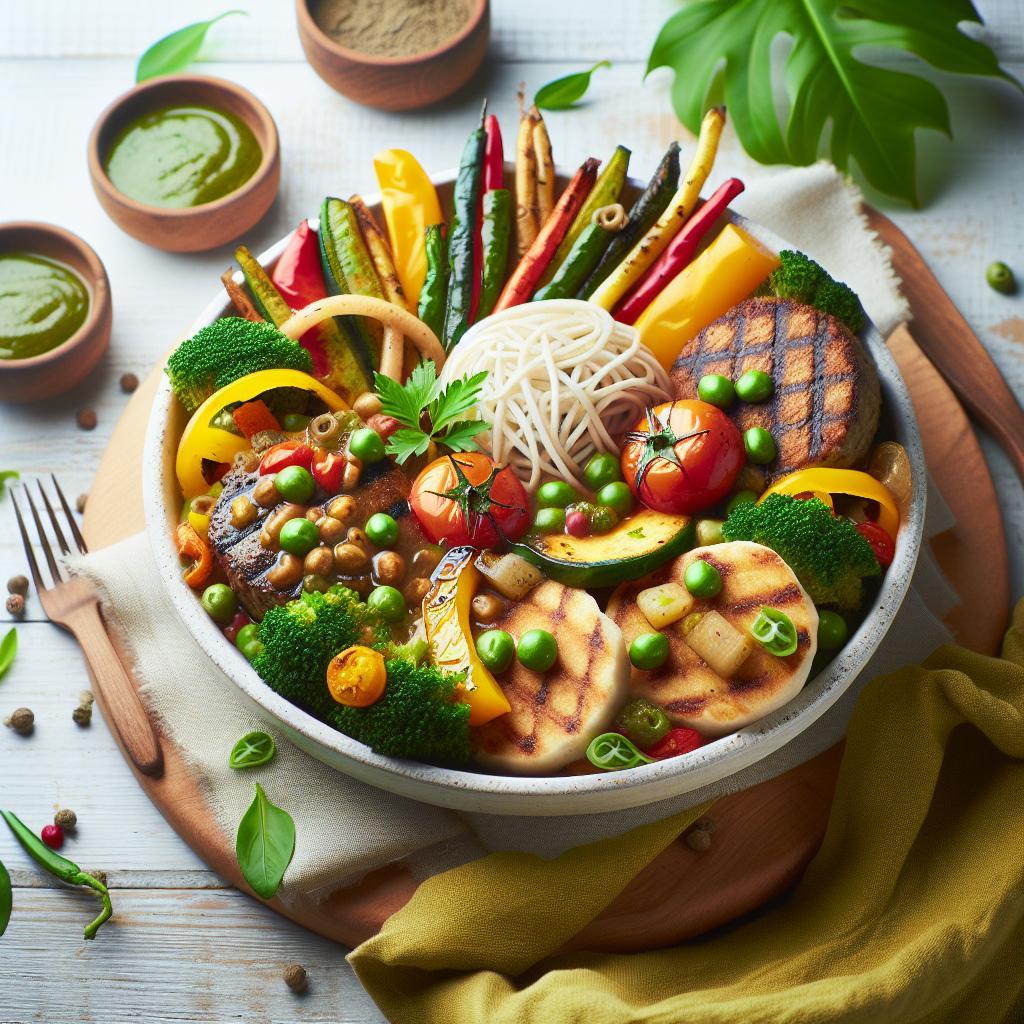
A6: A typical Ital meal is a colorful celebration of wholesome goodness. Imagine tender boiled yam alongside callaloo sautéed gently in coconut oil, ackee seasoned with fresh herbs, rice and peas simmered in coconut milk, and a medley of steamed or raw vegetables. Fresh fruit or a natural herbal tea might crown the meal. Every bite is imbued with intention-nurturing the body while uplifting the spirit.
Q7: How has Ital cuisine influenced modern culinary trends?
A7: Ital food’s philosophy of purity and plant-based eating has echoed through global culinary currents, inspiring chefs and food enthusiasts alike. Its emphasis on unprocessed, locally sourced ingredients dovetails with farm-to-table and clean eating trends. Moreover, Ital’s vibrant flavors and sustainable ethos resonate with vegan and vegetarian movements, carving a unique niche that bridges cultural heritage with contemporary wellness ideals.
With its roots deep in faith, respect, and nature’s bounty, Ital food remains the vibrant heartbeat of Rastafarian cuisine-a culinary path to vitality and spiritual harmony.
To Wrap It Up
As we close this flavorful journey into Ital food, we’ve only just begun to taste the vibrant essence that sustains Rastafarian culture. More than a way of eating, Ital is a philosophy-rooted in respect for nature, spirituality, and community. Each ingredient tells a story of harmony with the earth, inviting us to savor nourishment in its purest, most soulful form. Whether you’re a curious foodie or a devoted seeker of cultural wisdom, embracing Ital cuisine offers a transformative path to wellness and connection. So next time you gather around a meal, remember: Ital isn’t just food-it’s the heartbeat of a resilient and radiant tradition, inviting all to nourish body, mind, and spirit.