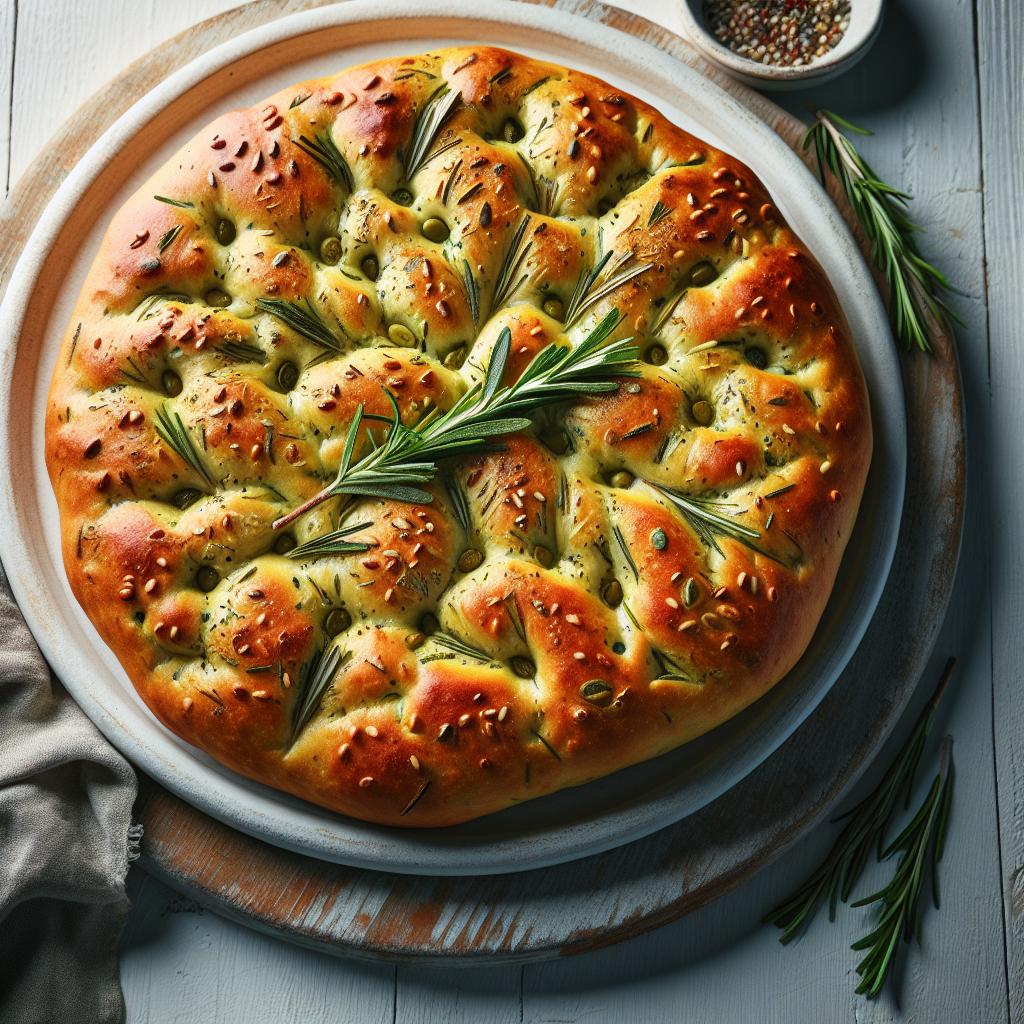

There’s something undeniably magical about the aroma of freshly baked bread wafting through the kitchen, inviting you to pause, breathe, and savor the moment. Rustic Rosemary Focaccia embodies that magic-a simple yet soul-stirring loaf that melds the tender chew of homemade bread with the earthy warmth of fragrant rosemary. Whether you’re a seasoned baker or a curious beginner, this easy, flavorful focaccia recipe promises not just a loaf but a sensory journey. Let’s dive into the art of crafting this rustic classic, where every golden crust and herb-kissed crumb tells a story of comfort, tradition, and the joy of baking at home.
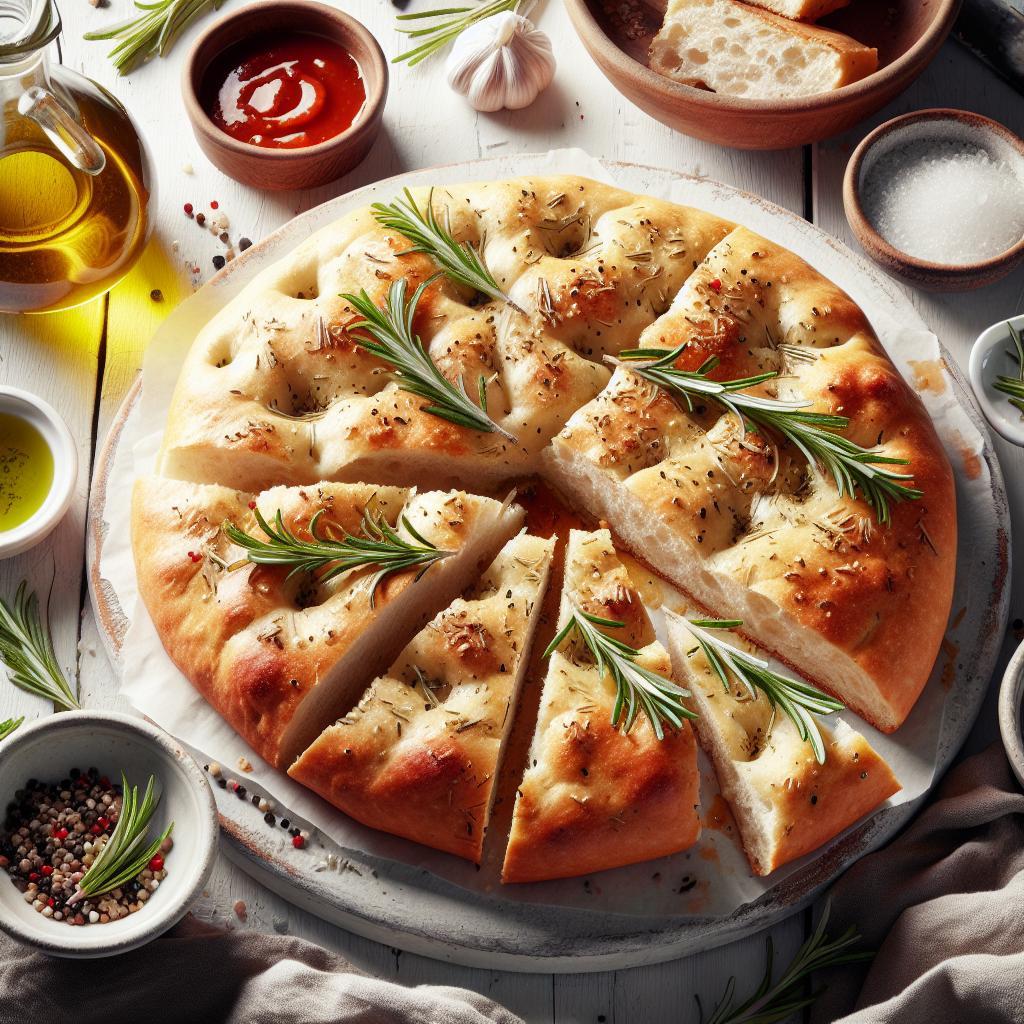
Rustic Rosemary Focaccia bursts with the enchanting fragrance of fresh, herbaceous rosemary and the inviting warmth of golden crust. This beloved Italian bread, with its humble origins from Liguria, is a timeless staple that brings kitchens to life with its simple yet profound flavors. Over the years, I’ve found that perfecting this loaf is both an art and a joy-each step revealing a rustic charm that transforms basic ingredients into an aromatic masterpiece. The rich olive oil, flaky sea salt, and vibrant rosemary harmonize to create a sensory experience that’s as delightful to the nose as it is to the palate.
Prep and Cook Time
- Preparation: 20 minutes
- Rising Time: 1 hour 30 minutes (total, in two stages)
- Baking: 25-30 minutes
- Total Time: Approximately 2 hours 15 minutes
Yield
One rustic focaccia loaf, serving 6-8 slices
Difficulty Level
Easy to Medium – Ideal for novice bakers eager to embrace artisanal bread-making
Ingredients
- 3 ½ cups (420 g) all-purpose flour, sifted
- 1 packet (2 ¼ tsp) active dry yeast
- 1 ¼ cups (300 ml) warm water (about 110°F / 43°C)
- ½ cup (120 ml) high-quality extra virgin olive oil, plus more for drizzling
- 1 ½ tsp fine sea salt, plus extra flakes for topping
- 2 tbsp fresh rosemary leaves, roughly chopped
- 1 tsp granulated sugar
Instructions
- Activate the yeast: In a small bowl, dissolve sugar in warm water. Sprinkle the yeast on top and let it bloom for 5-10 minutes, until frothy and aromatic.
- Mix the dough: In a large mixing bowl, combine sifted flour and sea salt. Create a well in the center and pour in the yeast mixture and ½ cup of olive oil. Stir gently with a wooden spoon until a shaggy dough forms.
- Knead until smooth: Transfer dough to a lightly floured surface. Knead for about 8-10 minutes until the dough is elastic and slightly tacky but not sticky. Add minimal flour if sticking excessively.
- First rise: Lightly oil a clean bowl, place the dough inside, and cover with a damp cloth or plastic wrap. Let it rest in a warm spot for about 1 hour until it doubles in size.
- Prepare baking tray: Drizzle 2 tablespoons of olive oil into a large rectangular baking pan. Spread it evenly, coating the bottom and sides.
- Shape the dough: Gently transfer dough to the oiled tray. Using your fingertips, dimple the surface by pressing down lightly and evenly to create those classic focaccia pockets. Cover loosely and let rise again for 20-30 minutes.
- Add toppings: Sprinkle chopped fresh rosemary evenly across the dough. Drizzle with more olive oil, ensuring it pools into the dimples. Finish with a generous pinch of flaky sea salt.
- Bake to perfection: Preheat oven to 425°F (220°C). Bake for 25-30 minutes or until the crust turns deep golden brown and the bread sounds hollow when tapped.
- Cool and serve: Remove from oven and cool slightly on a wire rack. Brush the top with a light coat of olive oil immediately after baking to enhance aroma and sheen.
Chef’s Notes
- Olive Oil Matters: Use the best quality extra virgin olive oil you can find. Its fruity, peppery notes are vital for authentic flavor and moist crumb.
- Rosemary Freshness: Always opt for fresh rosemary. It infuses the focaccia with a sharp, piney aroma that dried herbs cannot match.
- Flaky Sea Salt: Coarse flake salts such as Maldon elevate each bite with a delightful crunch and balance the rich olive oil.
- Dough Resting: Patience is key. Allowing the dough to rise twice develops a light, open crumb and crispy crust.
- Gluten-Free Adaptation: Though traditional focaccia is wheat-based, experimenting with gluten-free blends and adding a touch of xanthan gum can create an enjoyable alternative.
- Make-Ahead Tip: Focaccia dough can be refrigerated overnight after the first rise. Just bring to room temperature before shaping and the second proof.
Serving Suggestions
Serve warm, slathered with a small bowl of infused olive oil or alongside a vibrant tomato-basil dip. Garnish with fresh rosemary sprigs or a scatter of edible flowers for a rustic, elegant presentation. This bread pairs perfectly with hearty soups, fresh salads, or creamy cheeses-turning any meal into a celebration of simple, authentic flavors.
| Nutrition (Per Slice) | Calories | Protein (g) | Carbs (g) | Fat (g) |
|---|---|---|---|---|
| Rustic Rosemary Focaccia | 220 | 5 | 28 | 9 |

Discover more artisanal bread recipes in our Homemade Artisan Breads collection. For deeper insights on the health benefits and selection of olive oil, visit Olive Oil Source.
Q&A
Q: What makes rosemary a perfect herb for focaccia?
A: Rosemary’s piney, slightly citrusy aroma and robust, earthy flavor beautifully complement the warm, chewy texture of focaccia. It infuses each bite with a rustic Mediterranean charm that elevates this simple bread into a fragrant feast.
Q: Can I make rosemary focaccia without fancy kitchen gadgets?
A: Absolutely! This recipe embraces simplicity. With just basic ingredients, a mixing bowl, your hands for kneading, and a baking sheet, you can craft bakery-quality focaccia right at home-no stand mixer required.
Q: How does the texture of rustic focaccia differ from other bread?
A: Rustic focaccia boasts a golden, crispy crust paired with an airy, tender crumb inside. The characteristic dimples on the surface create little pockets that trap olive oil and herbs, offering an irresistibly moist and flavorful bite.
Q: Is it possible to add other herbs or toppings along with rosemary?
A: Certainly! While rosemary shines as the star, you can experiment by mixing in thyme, oregano, or fresh basil. Toppings like flaky sea salt, caramelized onions, or roasted garlic bulbs add layers of flavor and textural contrast, turning your focaccia into a personalized masterpiece.
Q: Can this focaccia bread be stored for later, and what’s the best way to keep it fresh?
A: To maintain its delightful texture, store focaccia in an airtight container at room temperature for up to two days. For longer preservation, tightly wrap it and freeze; when ready to enjoy, gently reheat to revive that freshly baked aroma and crispness.
Q: What’s the secret step for achieving that classic focaccia dimpled top?
A: After the dough rises, gently press your fingertips into the surface, creating characteristic indentations. This not only gives the bread its iconic look but also ensures the olive oil pools in those dimples, resulting in a flavorful, golden crust.
Q: Can I use different types of flour to make rosemary focaccia?
A: While all-purpose flour works perfectly, experimenting with bread flour can yield an even chewier texture due to its higher protein content. Whole wheat flour adds a nutty twist but may require slight adjustments in hydration to keep the crumb light.
Q: How long does it typically take to prepare and bake this bread?
A: From mixing to slicing, rustic rosemary focaccia takes around 2 to 3 hours, including rise times. Most of the time is hands-off as the dough ferments and develops flavor-perfect for a leisurely afternoon of home baking.
Q: What kind of olive oil is best for this recipe?
A: A good-quality extra virgin olive oil enhances both the dough and finishing drizzle with its fruity richness and peppery bite. This oil not only adds moisture but also deepens the flavor profile, making each slice a sensory delight.
Q: Can I make rosemary focaccia gluten-free?
A: Gluten-free baking is an adventure! While traditional focaccia relies on gluten for structure, using a well-formulated gluten-free flour blend along with xanthan gum or other binders can create a satisfying alternative. Expect a different texture but still lots of flavor.
In Conclusion
As the warm aroma of rosemary and olive oil lingers in your kitchen, you’ll realize that making rustic rosemary focaccia is more than just baking-it’s crafting a slice of tradition with every tender, golden bite. This simple, flavorful bread invites endless creativity, whether enjoyed plain, topped with your favorite herbs, or served alongside a hearty stew. With its crisp crust and airy crumb, your homemade focaccia will quickly become a cherished staple, turning any meal into a comforting, artisanal experience. So roll up your sleeves, embrace the dough, and let the rustic charm of rosemary focaccia bring a touch of Italy’s countryside right to your table.