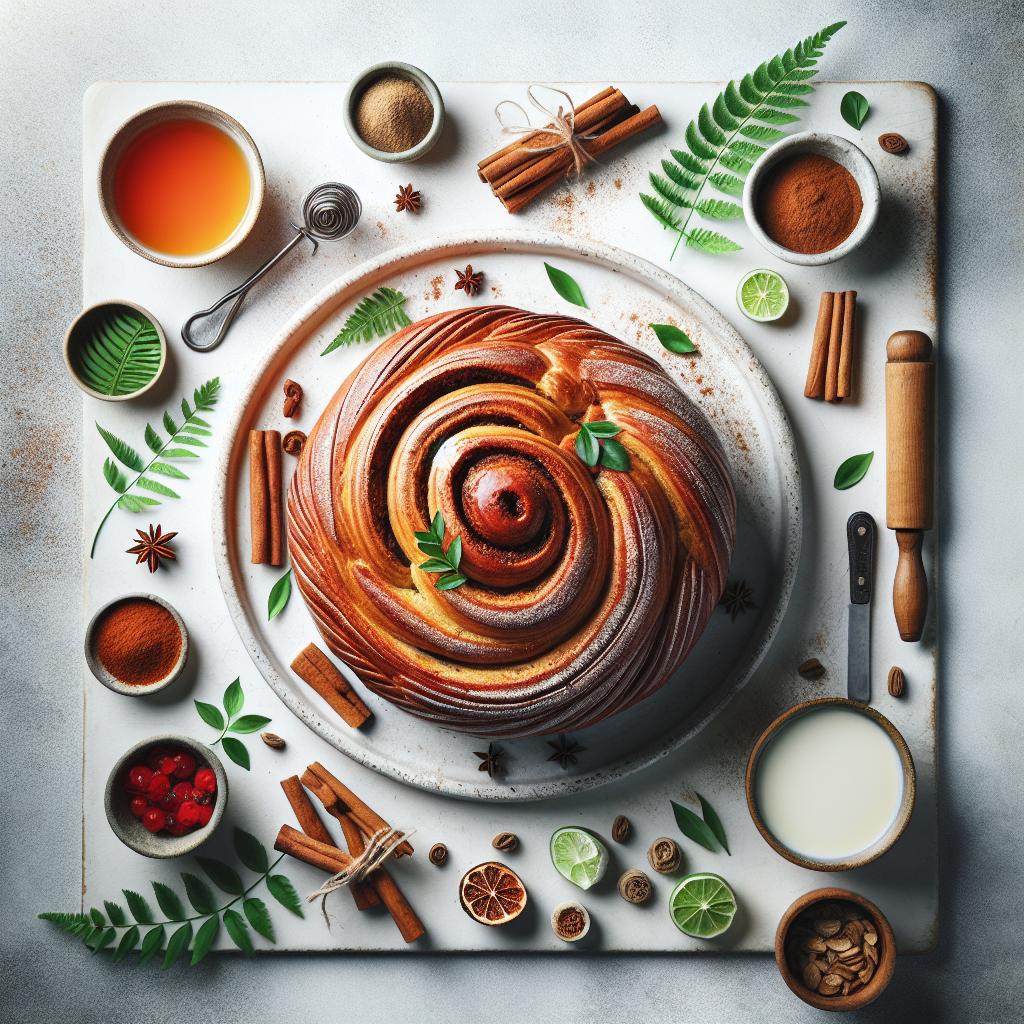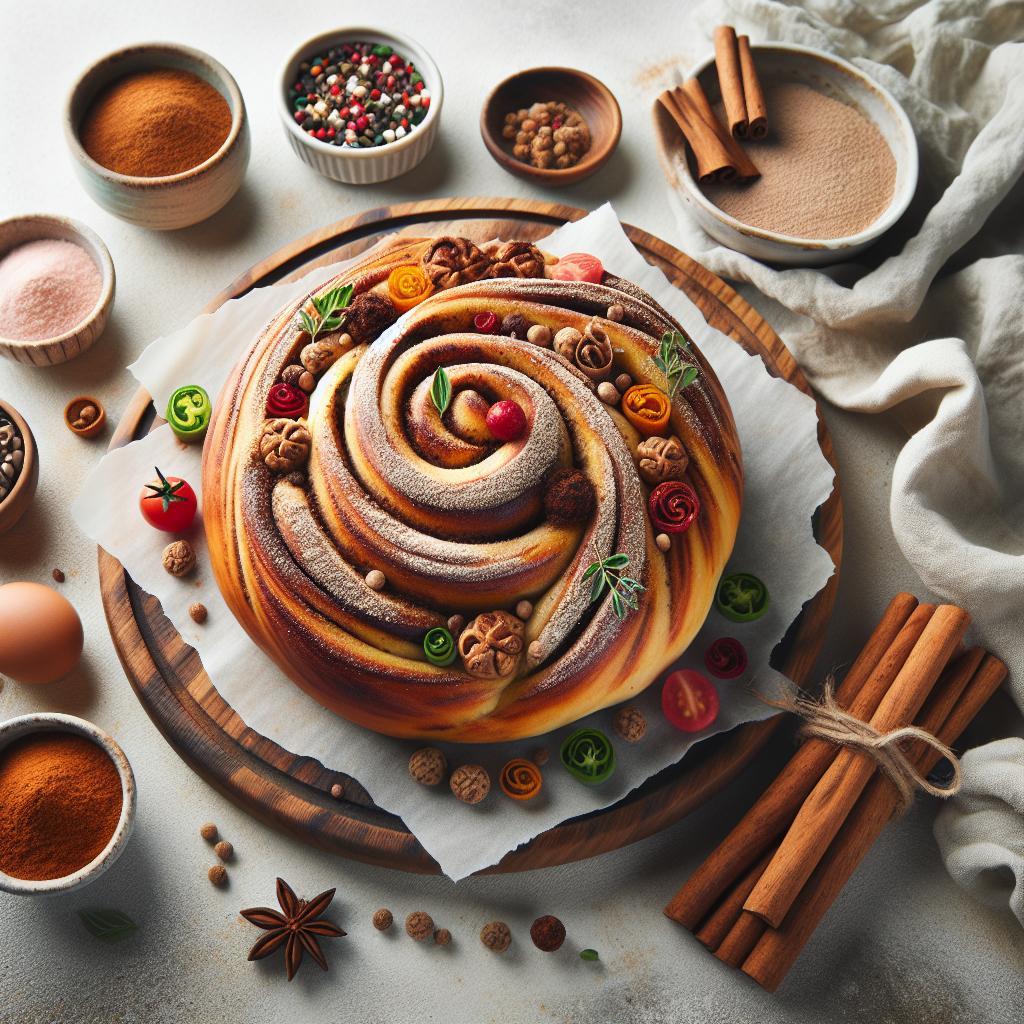

There’s something enchanting about the irresistible aroma of cinnamon swirling through the air, weaving its way into the heart of a kitchen and beckoning all who pass by. Traditional cinnamon swirl bread, with its golden crust and tender, buttery layers spiral-bound in fragrant cinnamon sugar, is more than just a beloved treat-it’s a warm embrace from the past, a delicious bridge between generations. This timeless bread carries stories baked into every slice, inviting us to savor not only its sweet, comforting flavor but also the rich traditions and simple pleasures that have made it a cherished classic for centuries. Join us as we explore the enduring appeal and captivating history behind cinnamon swirl bread, a culinary treasure that continues to warm tables and hearts alike.
- Crafting the Perfect Swirl: Unlocking the Secrets of Texture and Flavor
- Prep and Cook Time
- Yield
- Difficulty Level
- Choosing the Right Ingredients for a Homemade Cinnamon Swirl Experience
- Instructions
- Tips and Tricks for Baking Cinnamon Swirl Bread to Golden Perfection
- Chef’s Notes
- Serving Suggestions
- Q&A
- The Conclusion
Crafting the Perfect Swirl: Unlocking the Secrets of Texture and Flavor
Cinnamon swirl bread is a beloved classic, and the timeless charm of traditional cinnamon swirl bread lies in its warm, inviting layers of aromatic cinnamon rolled through tender, buttery dough. Originating from European baking traditions that celebrate simple ingredients elevated by careful technique, this bread’s allure transcends generations. The secret to its enduring appeal is all about balance-the perfect swirl of cinnamon and sugar melding seamlessly into the soft crumb, creating pockets of sweetness and spice that captivate every bite.
Achieving this exquisite texture requires diligence in dough preparation-enough kneading to develop a light, airy structure, but not so much to toughen the crumb. The cinnamon filling must be rich and aromatic, yet spread thinly enough to allow the dough to rise fully without tearing. Mastering these elements will reward you with slices that are as visually stunning as they are delectable.
Prep and Cook Time
- Preparation Time: 20 minutes
- Proofing Time: 1 hour 30 minutes (divided)
- Baking Time: 30-35 minutes
- Total Time: Approximately 2 hours 30 minutes
Yield
One loaf, serving 10-12 slices-perfect for family breakfasts or sharing with friends over afternoon tea.
Difficulty Level
Medium: Suitable for home bakers familiar with yeast dough but accessible with patience and care.
Choosing the Right Ingredients for a Homemade Cinnamon Swirl Experience
- 3 ½ cups all-purpose flour, sifted – for a soft yet structured crumb
- 1 cup whole milk, warmed (about 110°F) – to activate the yeast gently
- 2 ¼ teaspoons active dry yeast (1 package)
- ¼ cup granulated sugar – to feed the yeast and tenderize the dough
- 4 tablespoons unsalted butter, softened – imparts richness
- 1 teaspoon fine sea salt – balances sweetness
- 1 large egg, room temperature – for structure and moisture
- For the swirl filling:
- ½ cup brown sugar, packed – deep molasses flavor
- 2 tablespoons ground cinnamon – freshly ground for best aroma
- 3 tablespoons unsalted butter, melted – to bind the sugar and cinnamon
Instructions
- Activate the yeast: In a small bowl, combine warm milk, yeast, and a pinch of the granulated sugar. Let it rest for 5-10 minutes until foamy-this confirms the yeast is alive and ready.
- Mix the dough: In a large bowl, whisk together the sifted flour, remaining sugar, and salt. Add the softened butter, egg, and the yeast mixture.
- Knead thoroughly: Turn onto a floured surface and knead for about 8-10 minutes until the dough is smooth, elastic, and only slightly tacky. Use additional flour sparingly to avoid a dense loaf.
- First rise: Place the dough in a lightly greased bowl, cover with a clean towel or plastic wrap, and let it rise in a warm spot until doubled in size – about 1 hour.
- Prepare the filling: In a small bowl, mix brown sugar, cinnamon, and melted butter into a smooth paste.
- Shape and swirl: Gently deflate the dough and roll it out on a floured surface into a 12×16 inch rectangle. Spread the cinnamon filling evenly over the surface, leaving a quarter-inch bare margin at the edges. Starting from the longer side, roll the dough tightly into a log, pinching edges to seal.
- Second rise: Place the rolled dough seam-side down into a greased 9×5-inch loaf pan. Cover and proof for 30-45 minutes until puffy but not over-expanded.
- Bake: Preheat the oven to 350°F (175°C). Bake the loaf for 30-35 minutes, rotating halfway through, until the crust turns a gorgeous golden brown and sounds hollow when tapped. If the top browns too fast, tent loosely with foil.
- Cool and slice: Remove from oven and cool for 15 minutes in the pan. Then transfer to a wire rack to cool completely before slicing to preserve the crumb’s tenderness.
Tips and Tricks for Baking Cinnamon Swirl Bread to Golden Perfection
Maintain dough warmth: Yeast loves warmth but not heat-ideally 75-80°F is perfect for proofing to encourage even rising without over-proofing.
Fresh cinnamon matters: Use high-quality ground cinnamon or freshly grind sticks for a more vibrant flavor that truly pampers your senses.
Butter temperature: Slightly softened butter blends more easily into dough; melted butter in filling creates a luscious binding agent for sugar and spice.
Uniform swelling: When rolling, avoid stretching the dough unevenly. A consistent thickness ensures an even swirl, preventing breaks or dense spots.
Use a serrated knife: To slice your loaf without squashing, wait until fully cooled and slice carefully with a sharp serrated bread knife.
Chef’s Notes
- For a dairy-free twist, substitute almond or oat milk and coconut oil for butter, adjusting slightly for dough texture.
- Try adding chopped toasted pecans or walnuts to your cinnamon sugar filling for delightful crunches nestled amidst the soft swirls.
- Ensure your yeast is fresh and active for reliable rising; expired yeast can hinder the beautiful texture this bread deserves.
- Store leftovers wrapped tightly at room temperature up to 2 days; freeze tightly wrapped for up to a month. Thaw gently and warm slightly before serving to refresh the softness.
Serving Suggestions
Slice thickly and serve slightly warmed for breakfast bliss. Enhance with a pat of butter or a drizzle of honey for natural sweetness. For a cozy touch, pair with a cup of chai tea or warm cider, allowing the cinnamon notes in both to harmonize beautifully.
Garnish your serving plate with a light dusting of powdered sugar or a sprinkle of cinnamon for added visual charm. This bread also shines when used to make French toast or bread pudding, where every swirl becomes a burst of fragrant flavor.

| Nutrient | Per Serving (1 Slice) |
|---|---|
| Calories | 210 kcal |
| Protein | 5 g |
| Carbohydrates | 34 g |
| Fat | 6 g |
Explore how to complement your homemade cinnamon bread by trying related baking classics such as our Classic Vanilla Cupcakes recipe. For a deeper dive into the science and art of bread making, visit the King Arthur Baking Guide, a trusted resource for bakers worldwide.
Q&A
Q&A: The Timeless Charm of Traditional Cinnamon Swirl Bread
Q1: What makes traditional cinnamon swirl bread so timeless?
A1: Traditional cinnamon swirl bread has a timeless appeal due to its warm, comforting aroma and the perfect balance of sweet cinnamon and tender bread. It evokes nostalgia and cozy moments, bridging generations with its simple yet irresistible flavor and texture.
Q2: How is the distinctive swirl achieved in this bread?
A2: The swirl is created by rolling out the dough, spreading a cinnamon-sugar mixture evenly over it, then rolling the dough tightly into a log before baking. As the bread rises and bakes, the cinnamon-sugar forms a beautiful, spiraling pattern throughout each slice.
Q3: What are the key ingredients for making authentic cinnamon swirl bread?
A3: The foundation is a soft white bread dough made from flour, yeast, sugar, salt, milk, butter, and eggs. The swirl mixture typically combines ground cinnamon with brown sugar and a hint of butter or oil to create richness and that signature sweet-spiced ribbon.
Q4: Can cinnamon swirl bread be made without yeast?
A4: Traditional versions rely on yeast for their light, fluffy texture and complex flavor development. However, quick bread variations using baking powder or baking soda do exist, though they will have a denser crumb and a slightly different taste experience.
Q5: What occasions or moments is cinnamon swirl bread best suited for?
A5: Cinnamon swirl bread shines at breakfast tables, alongside a steaming cup of tea or coffee. It’s also a delightful homemade gift or a comforting treat for holidays, brunches, and lazy weekend mornings when indulgence is welcomed.
Q6: Are there any creative twists to the classic cinnamon swirl bread?
A6: Absolutely! Some bakers add raisins, nuts like walnuts or pecans, or even a cream cheese glaze to enhance texture and flavor. Others experiment with spices such as nutmeg or cardamom alongside cinnamon to deepen the aromatic profile.
Q7: How should one store cinnamon swirl bread to keep it fresh?
A7: Store the bread in an airtight container or wrapped well in plastic wrap. At room temperature, it stays fresh for a couple of days. For longer storage, refrigerate or freeze slices, and toast them gently when ready to enjoy, restoring that freshly baked warmth.
Q8: Why does cinnamon swirl bread hold such a special place in many cultures?
A8: Cinnamon has been cherished for centuries for its fragrance and healing properties. Paired with bread-a universal comfort food-the cinnamon swirl bread becomes a symbol of warmth, home, and tradition, transcending cultures while inviting everyone to savor a sweet slice of history.
The Conclusion
In the ever-evolving world of culinary trends, the traditional cinnamon swirl bread stands as a comforting reminder that some classics never lose their magic. Its warm, fragrant swirls softly whisper stories of kitchens past, inviting us to slow down and savor simple pleasures. Whether enjoyed fresh from the oven or toasted with a pat of butter, this timeless treat continues to enchant taste buds and hearts alike. As we rediscover its rich heritage and irresistible flavor, cinnamon swirl bread proves that sometimes, the most enduring charms are found in the familiar and the lovingly crafted.