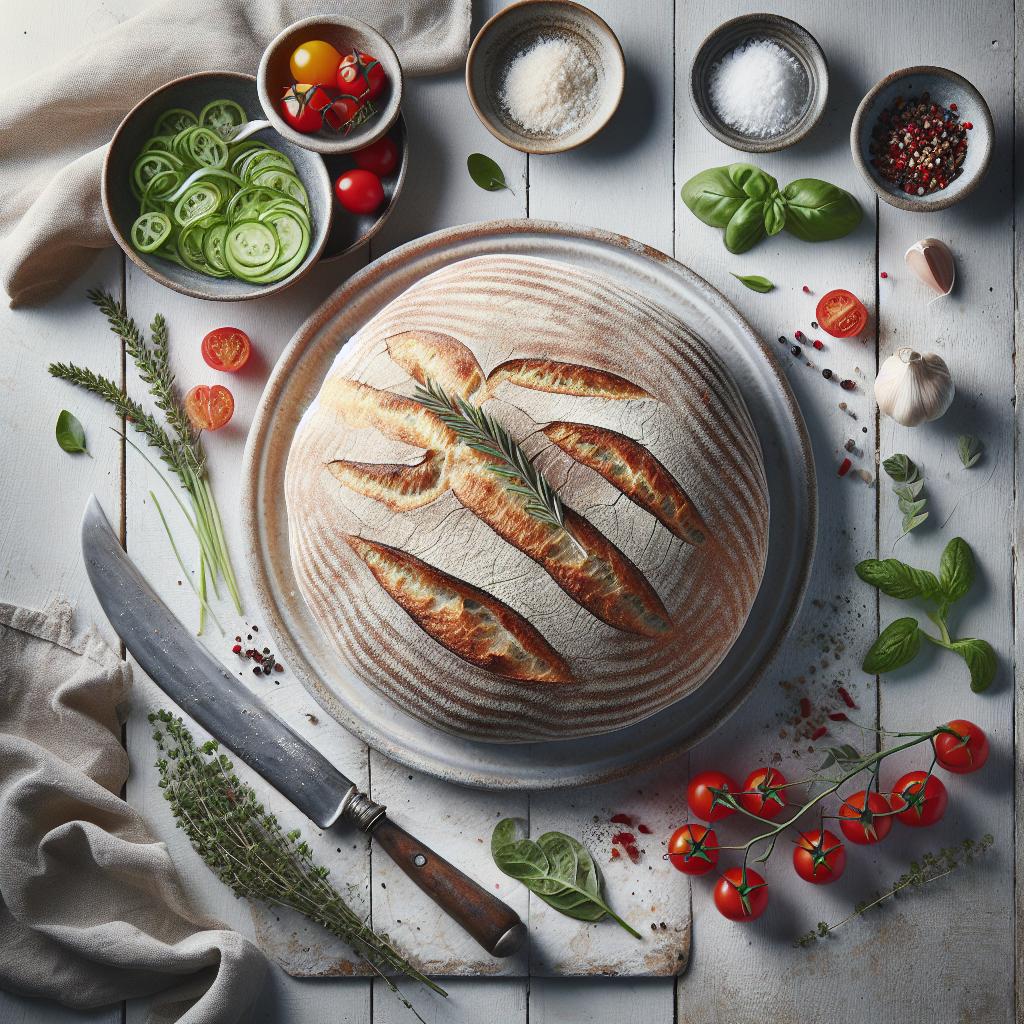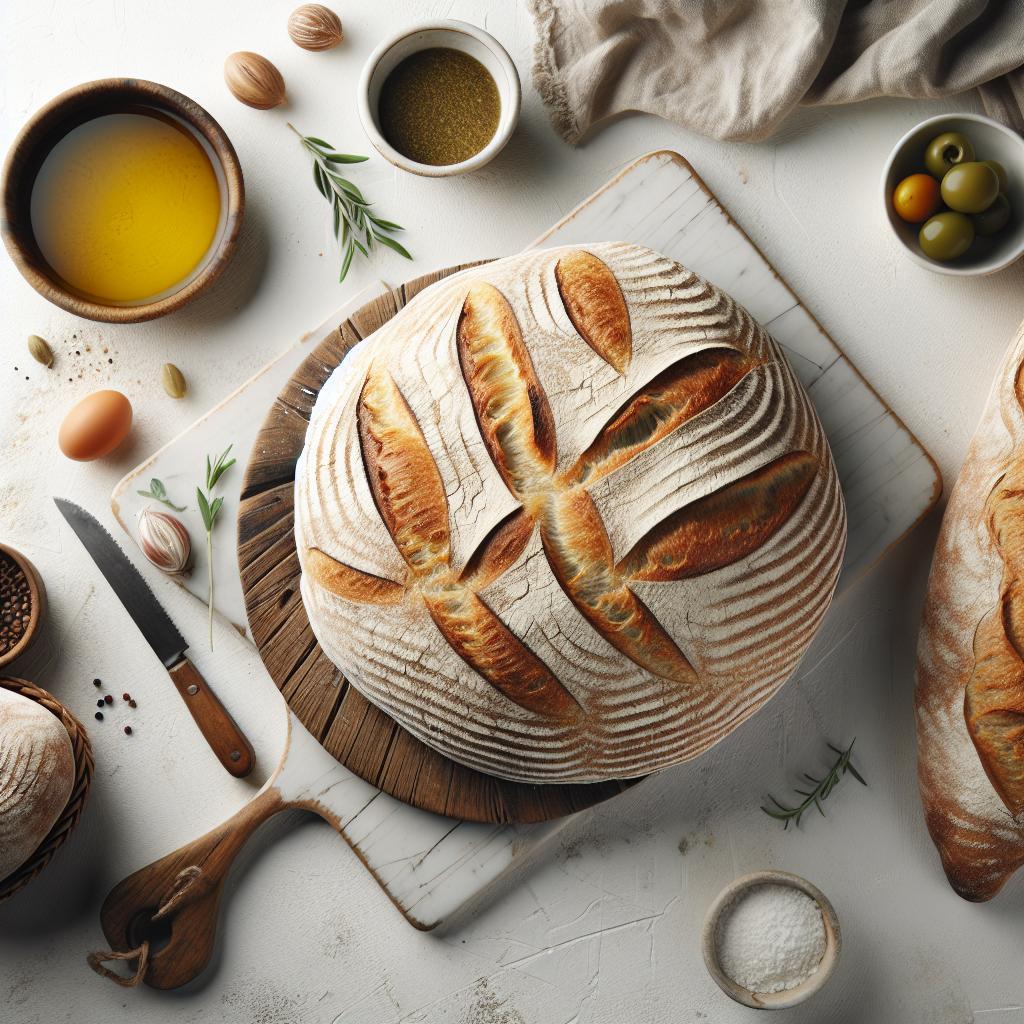

There’s something undeniably magical about ciabatta-the way its rustic crust crackles beneath your fingertips, giving way to an airy, honeycombed crumb that teases your palate with each bite. More than just a simple Italian bread, ciabatta is a story baked in flour and water, a harmonious dance of tradition and technique perfected over centuries. In this article, we journey beyond the surface to unlock the secrets of traditional ciabatta, exploring the art behind its unique texture, the science that fuels its rise, and the time-honored methods that have made it a beloved staple on tables worldwide. Prepare to delve into the crust and crumb of this iconic loaf and discover what makes ciabatta a timeless masterpiece in the world of bread.
Crust & Crumb: Unlocking the Secrets of Traditional Ciabatta – Crust Crafting Techniques for Artisan Bread
Crust & Crumb: Unlocking the Secrets of Traditional Ciabatta begins with understanding how hydration and fermentation influence every element of this rustic Italian loaf. Originating from Italy’s Veneto region, ciabatta is renowned for its open, air-pocketed crumb and delightfully crisp crust, which only come alive through deliberate technique and quality ingredients. From the springy dough bubbles that define its airy texture to the golden crackling exterior, true mastery lies in embracing the science behind flour choices, hydration ratios, and patient fermentation.
Prep and Cook Time
- Preparation Time: 30 minutes (active)
- Fermentation and Proofing: 18 – 24 hours (including overnight bulk rise)
- Baking Time: 25 – 30 minutes
- Total Time: Approximately 24 hours
Yield
Two loaves (approximately 8 servings total)
Difficulty Level
Medium – Advanced (requires attention to fermentation timing and dough handling)
Ingredients
- 500g bread flour (high-protein, sifted)
- 400ml cold water (around 80% hydration)
- 10g fine sea salt
- 5g active dry yeast
- 1 tbsp olive oil (extra virgin, for dough and shaping)
- Semolina flour (for dusting)
Instructions
- Mixing the dough: In a large bowl, combine the bread flour and salt. Dissolve yeast in the cold water. Pour the yeast mixture into the flour gradually, folding gently with a spoon or your hand until just combined. The dough will be very sticky and shaggy-this high hydration is key for that characteristic ciabatta crumb.
- Bulk fermentation: Cover the bowl with a damp towel or plastic wrap. Let it ferment at room temperature (ideally 20-22°C) for 16-18 hours, until the dough has doubled in size and is bubbly on the surface.
- Stretch and fold: After bulk fermentation, transfer the dough onto a well-floured surface using a bench scraper. Perform gentle stretch-and-folds (lift one side of the dough and fold it over itself) 3 to 4 times to develop strength but without deflating the bubbles.
- Pre-shaping: Dust a couche or parchment generously with semolina flour. Gently shape the dough into a rough rectangle, handling it minimally to preserve the air pockets. Transfer it seam side down onto the couche and cover loosely with a towel. Let it rest for 1 hour to relax and rise slightly.
- Final shaping: Using a bench scraper dusted with semolina, carefully fold the dough’s edges inward to form a classic slipper shape. Avoid pressing too hard-ciabatta thrives on light, airy dough handling.
- Preheat oven: Prepare your oven to 230°C (450°F) with a baking stone or an inverted sheet pan placed on the center rack. Place a cast iron skillet or tray in the oven bottom for steam during baking.
- Proofing: Let the shaped loaves proof on parchment paper for 30-40 minutes until puffy. Meanwhile, prepare a spray bottle with water for steaming.
- Baking: Slide the parchment with dough onto the hot baking stone. Quickly add hot water to the skillet/tray to create steam and shut the door immediately. Bake for 20 minutes, then reduce temperature to 210°C (410°F) and bake for another 10 minutes or until deep golden crust forms.
- Cooling: Remove loaves and cool completely on a wire rack before slicing. The crust will crisp further and the crumb structure will fully set.
Chef’s Notes – Tips for Success
- Using high-protein bread flour promotes excellent gluten development, critical for that airy structure.
- Hydration is essential-resist the urge to add more flour during mixing to keep dough moist but manageable.
- Cold water slows fermentation, allowing complex flavors to develop over long, slow proofing.
- Semolina dusting prevents sticking and adds rustic texture to the crust.
- Steaming in the oven creates that iconic thin, crackling crust seen on professional ciabatta loaves.
- Practice gentle handling-aggressive kneading crushes the precious gas bubbles responsible for the open crumb.
- Use a digital thermometer to check oven temperature for consistent results.
- Leftover ciabatta is incredible toasted for breakfast or as a sandwich base, maintaining a delightful chew.
Serving Suggestions
Serve warm slices brushed lightly with olive oil and sprinkled with flaky sea salt. Perfect paired alongside a vibrant Caprese salad or hearty antipasto platter. For an elevated touch, toast thin slices and top with ripe tomatoes, fresh basil, and a drizzle of aged balsamic vinegar. The juxtaposition of the crunchy crust and pillowy crumb elegantly carries gourmet bruschettas or rustic stews with ease.
| Nutrient | Per Serving (1 slice) |
|---|---|
| Calories | 135 |
| Protein | 4.5g |
| Carbohydrates | 27g |
| Fat | 1.2g |
For a deeper dive into artisan bread baking techniques, explore our related post on Artisan Bread Fundamentals. To explore the science of fermentation further, the King Arthur Baking guide offers excellent expert insights.

Q&A
Q&A: Crust & Crumb: Unlocking the Secrets of Traditional Ciabatta
Q1: What makes ciabatta bread unique compared to other artisan breads?
A: Ciabatta is celebrated for its enchanting balance of a crusty exterior and an airy, hole-filled crumb inside. This harmony is achieved through its distinctive wet dough, which creates those irregular pockets of air and a delightfully chewy bite – traits that set it apart from denser, more uniform breads.
Q2: Why is the hydration level important in traditional ciabatta recipes?
A: Hydration-the ratio of water to flour-is the heart of ciabatta’s character. High hydration, often around 75% or higher, results in a dough that’s sticky and slack, encouraging the formation of large bubbles during fermentation. This gives ciabatta its signature open crumb and tender texture.
Q3: How does the fermentation process influence the flavor and texture of ciabatta?
A: Slow and purposeful fermentation is the secret alchemy behind ciabatta’s deep flavor and complex crumb structure. Extended fermentation nurtures wild yeasts and bacteria that break down starches into richly flavorful compounds while also tenderizing the dough, resulting in a bread that’s both fragrant and satisfying with every bite.
Q4: What are the traditional shaping techniques that contribute to ciabatta’s appearance?
A: Traditional ciabatta gets its name from the Italian word for “slipper,” reflecting the loaf’s distinctive oblong shape. Bakers gently handle the wet dough to maintain its airy bubbles, folding rather than punching down, and stretch it onto parchment or baking surfaces, which preserves the open crumb and gives ciabatta its rustic, elusive form.
Q5: How does the baking method affect the crust of ciabatta?
A: Baking ciabatta in a highly humid oven environment produces its legendary crisp crust. The steam delays crust formation, allowing the dough to fully expand before the crust sets, while the high heat caramelizes the sugars on the surface, creating that golden, crackling shell that contrasts beautifully with the tender crumb inside.
Q6: Can traditional ciabatta be made without commercial yeast?
A: Absolutely! Many traditional bakers cultivate natural sourdough starters to leaven ciabatta. This technique not only adds a subtle tang but also enriches the texture, making the bread more digestible and complex in flavor-a true homage to centuries-old Italian baking traditions.
Q7: What kitchen tools or techniques can home bakers use to master ciabatta’s tricky dough?
A: Patience and the right tools are key! Use a digital scale for precise measurements, a bench scraper to handle wet dough gently, and a couche or floured towel to support proofing loaves without deflating them. Embrace the sticky dough by working with wet hands and folding gently rather than kneading aggressively to preserve the loaf’s famed airiness.
Q8: Why is ciabatta often described as a “beginners’ challenge” for artisan bread baking?
A: While ciabatta’s ingredients are deceptively simple, its high hydration dough demands a practiced touch and understanding of fermentation rhythms. Successfully coaxing the dough into a well-structured loaf with those iconic holes requires patience, observation, and a willingness to embrace the dough’s unruly nature-which makes the final result all the more rewarding.
Q9: How does the crumb structure influence the pairing or uses of ciabatta?
A: The airy crumb of ciabatta is perfect for soaking up flavorful oils, vinegars, or spreads without becoming mushy. Its contrasting crust offers a satisfying crunch that complements everything from fresh garden salads to hearty vegetable stews, making it a versatile canvas for a wide variety of wholesome, meat-free culinary adventures.
Q10: What cultural importance does traditional ciabatta hold in Italian cuisine?
A: Ciabatta embodies rustic simplicity and regional pride. Originating in the northern regions of Italy in the late 20th century, it quickly became beloved for its adaptability and charm. It’s a staple for sandwiches, communal meals, and everyday enjoyment, symbolizing the Italian passion for quality, tradition, and conviviality around the table.
Insights and Conclusions
As the last crumb of ciabatta disappears and the memory of its tender crust lingers on your palate, you begin to appreciate that this humble bread is much more than just a staple-it’s a testament to tradition, patience, and artistry. Unlocking the secrets of traditional ciabatta invites us to rediscover the magic woven into every bubble of its dough, every fold, and every carefully timed rise. Whether you’re a seasoned baker or a curious foodie, embracing the craft behind ciabatta connects you with centuries of Italian heritage and the simple joy of bread-making. So next time you tear into a freshly baked loaf, remember: beneath that crust lies a world of history waiting to be savored-one crumb at a time.