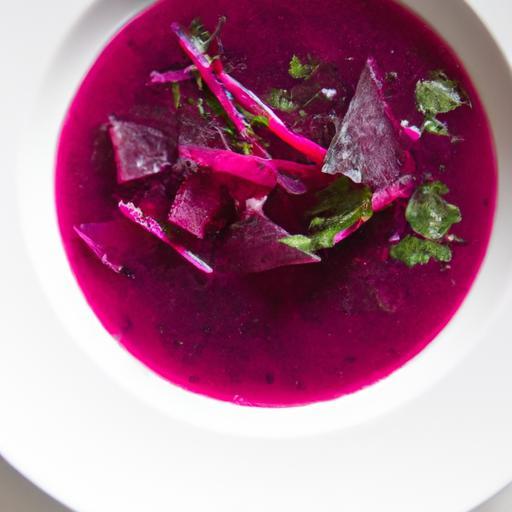

Beneath the vibrant crimson swirl of a perfect bowl of borscht lies an unsung hero: the humble beet. This earthy root vegetable, with its deep hues and rich flavors, holds the key to unlocking the soul of this beloved Eastern European soup. But not all beets are created equal. From golden globes to candy-striped Chioggias, each variety brings its own unique personality to the pot. In this exploration of beet varieties, we’ll dig into the basics you need to know to choose the ideal beet for borscht – transforming a simple recipe into a culinary masterpiece that sings with color, texture, and taste. Let’s dive deep and beet the basics!
Beet the Basics: Exploring Beet Varieties for Perfect Borscht opens doors to a thrilling exploration of earthy flavors and radiant colors that elevate the iconic Eastern European soup to art. Borscht’s soul lies in the humble beetroot, yet each variety tells its own flavorful story-from deep crimson roots to golden gems-offering a spectrum of taste and visual appeal. Whether you prefer your borscht vibrant and sweet or hearty and robust, understanding the nuances of beet types is your first step to a bowl bursting with authenticity and warmth.
Prep and Cook Time
Preparation Time: 20 minutes
Cooking Time: 1 hour 15 minutes
Total Time: 1 hour 35 minutes
Yield
Serves 6 generous portions
Difficulty Level
Medium – Ideal for home cooks ready to experiment with fresh ingredients and traditional techniques
Ingredients
- 2 lbs fresh beets, peeled and grated (preferably Chioggia for sweetness or Detroit Dark Red for earthiness)
- 1 large onion, finely chopped
- 3 cloves garlic, minced
- 2 medium carrots, peeled and diced
- 1 medium potato, peeled and cubed
- 1/2 head green cabbage, shredded
- 6 cups beef or vegetable broth
- 2 tbsp tomato paste
- 2 tbsp apple cider vinegar
- 2 tbsp olive oil or sunflower oil
- 1 bay leaf
- Salt and pepper to taste
- Fresh dill for garnish
- Sour cream or Greek yogurt for serving
Instructions
- Prepare the beets: Choose your preferred beet variety for the borscht style. Grate the beets finely for a smoother texture or chop into small cubes for a chunkier bite. Remember, Chioggia beets add a sweet, candy-striped appeal, while golden beets introduce a mellow flavor and a sunny hue.
- Sauté the aromatics: In a large pot, heat the olive oil over medium heat. Add the chopped onion and sauté until translucent, about 5 minutes. Add the garlic and cook for another 1 minute, stirring frequently to avoid burning.
- Add vegetables: Stir in the grated beets, carrots, and potatoes. Cook for 8-10 minutes, allowing the vegetables to soften and the beets to release their vibrant color.
- Build the broth: Pour in the broth and bring the pot to a gentle boil. Add the tomato paste, apple cider vinegar, and bay leaf. Reduce heat to low and let it simmer uncovered for 45 minutes to develop deep flavors.
- Incorporate cabbage: Add the shredded cabbage 10 minutes before the end of cooking. This ensures it softens without losing its pleasant bite and bright green color.
- Season and finish: Remove the bay leaf. Taste your borscht and adjust seasoning with salt, pepper, and an extra splash of vinegar if desired for brightness.
- Serve: Ladle into bowls and garnish liberally with fresh dill and a dollop of sour cream or Greek yogurt for a creamy contrast to the earthy soup.
Chef’s Notes
- Choosing beets: For a classic, ruby red borscht, Detroit Dark Red beets are unbeatable in flavor and color intensity. If seeking a milder, sweeter soup, try golden or striped Chioggia beets. Mixing varieties can create layers of flavor and eye-catching color swirls.
- Storage tips: Store beets in a cool, dark place like a root cellar or crisper drawer. Keep unwashed in a perforated plastic bag; this preserves freshness for up to 3 weeks.
- Make-ahead: Borscht’s flavor deepens overnight-make in advance and reheat gently on the stove, adjusting seasoning before serving.
- Vegetarian option: Use vegetable broth and omit beef for a plant-based version that lets the beets shine.
- Boost color retention: Add lemon juice or vinegar during cooking for brighter beets and balanced acidity.
Serving Suggestions
Serve borscht steaming hot in rustic ceramic bowls to emphasize its heartwarming tradition. Accompany with a slice of hearty rye bread or garlic pampushky (Ukrainian garlic buns) for a perfect meal. Garnish with a generous spoonful of creamy sour cream swirled into the center complemented by fresh dill sprigs for fragrance and vivid contrast. A few cracked black peppercorns atop just before serving can add subtle spice notes, enhancing the beautiful richness of the soup.
| Nutritional Info (per serving) | Calories | Protein | Carbs | Fat |
|---|---|---|---|---|
| Borscht (with sour cream) | 180 kcal | 5g | 30g | 4g |

For a deeper dive into regional beet soup variations, explore our collection of beet soup recipes. To understand nutritional impacts of beets in your diet, visit Medical News Today’s comprehensive article on beets.
Q&A
Q: What makes beets the star ingredient in borscht?
A: Beets are the heart and soul of borscht-they lend their vibrant crimson color, earthy sweetness, and subtle tartness, creating that iconic ruby-hued broth that’s both visually striking and deliciously complex.
Q: Are all beet varieties good for borscht, or is there a “perfect” beet?
A: While you can technically use any beet, certain varieties truly elevate your borscht. Classic red beets like Detroit Dark Red offer deep color and balanced sweetness, while golden beets add a mellow, less earthy flavor and a sunny twist. Chioggia, with its candy-cane stripes, brings visual flair but a slightly milder taste.
Q: How does the choice of beet affect the flavor profile of the soup?
A: The variety influences the sweetness, earthiness, and even texture of your borscht. Red beets bring a robust, slightly sweet and earthy base; golden beets soften the earthiness and brighten the flavor; Chioggia beets create a delicate, almost candy-like layer. Mixing varieties can create a complex and beautiful bowl.
Q: Should I peel beets before making borscht?
A: Peeling is optional. Many chefs prefer roasting or boiling beets whole with skins on, which intensifies their flavor. The skins slip off easily after cooking, and leaving them on during cooking helps retain nutrients and color.
Q: Can beet greens be used in borscht?
A: Absolutely! Beet greens are nutrient-packed and slightly tangy, making them a perfect leafy addition to borscht. Toss them in near the end of cooking for a fresh burst of color and flavor.
Q: What tips can you share for picking the freshest beets at the market?
A: Look for firm, smooth, and round roots with vibrant skin. Avoid wrinkled or soft spots. Freshness shines brightest in beets with crisp, perky greens attached-it’s a sign they haven’t been sitting around too long.
Q: How do I store beets to keep them fresh for borscht?
A: Store beets unwashed in the fridge, ideally in a perforated plastic bag to maintain humidity but prevent mold. Remove the greens if you’re not using them immediately, as they draw moisture from the root.
Q: Can I use canned or pre-cooked beets for borscht?
A: Yes, but fresh beets provide superior flavor and texture. Canned beets can be a time-saver, but they tend to lack the earthy depth and vibrancy you get from fresh roots, and might make your borscht a bit sweeter or saltier depending on the packing liquid.
Q: Beyond traditional red, what creative twists can beet varieties bring to borscht?
A: Mix golden and red beets for a layered flavor and a gorgeous ombré effect. Add Chioggia at the end as a garnish for eye-catching spirals. Try roasting beets to deepen sweetness, or experiment with candy-striped heirloom beets for a visually stunning, avant-garde borscht.
Q: In essence, how does exploring beet varieties impact the perfect borscht?
A: Selecting the right beet varieties transforms borscht from a humble soup to a culinary masterpiece-each beet adding unique color, flavor, and personality. Embrace the beet rainbow, and your borscht will transcend tradition with every spoonful.
The Way Forward
As the vibrant hues of beets simmer into the rich, ruby depths of your borscht pot, you’re not just cooking-you’re weaving tradition with a spectrum of beet varieties that bring their own stories to the table. Whether you choose the classic deep-red, the golden glow, or the earthy chioggia stripes, each beet offers a unique twist on this beloved dish, inviting you to experiment and discover your perfect flavor harmony. Embrace the diverse world of beets, and let your borscht become a celebration of roots-both in the soil and in the soul of your kitchen. The basics are just the beginning; now, it’s time to beet your own path to culinary delight.