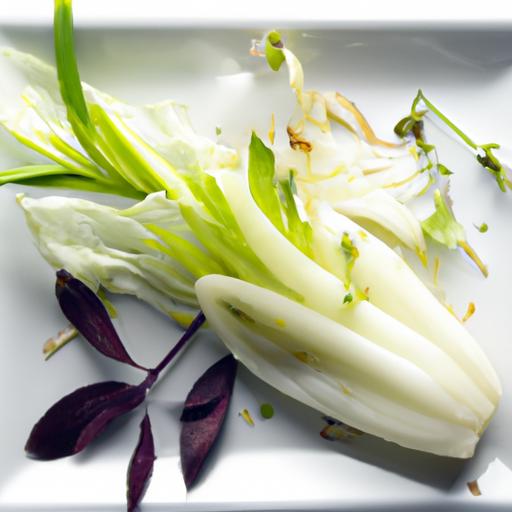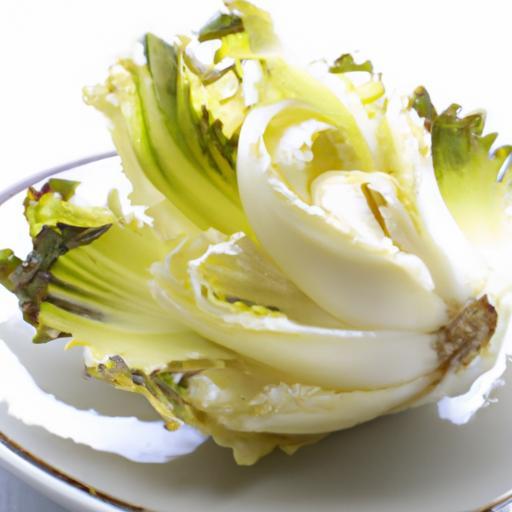

Hidden beneath a pale, tightly packed cloak lies one of the garden’s most intriguing secrets: Belgian endive chicory. At first glance, this slender, ivory treasure might seem unassuming, yet within its crisp leaves resides a subtle bitterness and delicate sweetness that have enchanted chefs and home cooks alike. More than just a salad staple, Belgian endive is a marvel of horticultural ingenuity-grown in the dark to preserve its tender crunch and unique flavor. Join us as we peel back the layers of this remarkable vegetable, uncovering its history, cultivation, and the myriad ways it brings a refreshing twist to culinary creations.
Discovering the Botanical Beauty and Flavor Potential of Belgian Endive Chicory
Belgian Endive Chicory captivates with its crisp texture and subtle bitterness, a versatile jewel from the garden that elevates any dish it graces. This elegant vegetable traces its origins to the heart of Belgium, where clever root forcing techniques unlock tender, pale leaves cloaked in tight, elongated heads. Cultivating the perfect Belgian Endive requires patience and precision, resulting in a crunch that delights both the palate and the eye – an extraordinary culinary experience.
Prep and Cook Time
- Preparation: 10 minutes
- Cooking: 15 minutes
- Total: 25 minutes
Yield
Serves 4 as a refreshing appetizer or side salad
Difficulty Level
Easy – perfect for cooks of all skill levels eager to explore fresh, garden-inspired flavors
Ingredients
- 4 heads Belgian endive chicory, trimmed and leaves separated
- 2 tablespoons extra virgin olive oil
- 1 tablespoon fresh lemon juice
- 1 teaspoon honey
- 1/4 cup toasted walnuts, roughly chopped
- 1/4 cup crumbled goat cheese
- Salt and freshly cracked black pepper, to taste
- Fresh parsley, finely chopped, for garnish
Instructions
- Prepare the Belgian Endive Chicory: Rinse and pat dry the endive leaves, selecting the crisp, untouched outer leaves for the best texture and appearance.
- Make the dressing: Whisk together the olive oil, fresh lemon juice, honey, salt, and pepper in a small bowl until emulsified. Adjust seasoning to taste for balance between acidity and subtle sweetness.
- Toss the leaves gently: Place the endive leaves in a large bowl and pour the dressing over them. Toss lightly to coat without bruising the delicate leaves.
- Plate with care: Arrange the dressed leaves on a serving platter or individual salad plates, fanning them for visual appeal.
- Top with toasted walnuts and goat cheese: Sprinkle the nuts and cheese over the endive for a delightful contrast of textures and flavors.
- Garnish and serve: Finish with a sprinkle of fresh parsley. Serve immediately to enjoy the signature crunch of this Belgian Endive Chicory salad.
Chef’s Notes
- Substitution Tip: If goat cheese isn’t available, feta or ricotta salata provide a similar tang and texture.
- Make-Ahead Hint: Prepare the dressing up to two days in advance and store it refrigerated in a sealed jar; whisk again before use.
- Flavor Boost: Add thin slices of crisp apple or pear for an added sweet crunch.
- Bitterness Balance: Rinse the leaves in cold water and dry thoroughly to soften excess bitterness while maintaining crunchy integrity.
Serving Suggestions
This salad shines as a chic starter or an elegant side alongside roasted chicken or grilled fish. For a more substantial meal, add slices of prosciutto or a handful of cooked quinoa for heartiness. Garnishing with edible flowers or microgreens adds a burst of color and highlights Belgian Endive Chicory’s delicate sophistication.

| Nutrient | Amount per serving |
|---|---|
| Calories | 150 kcal |
| Protein | 4 g |
| Carbohydrates | 8 g |
| Fat | 12 g |
For more garden-fresh recipes and growing tips, visit our Garden to Table Recipes hub. Learn about Belgian Endive Chicory’s rich heritage and botanical facts from the Encyclopedia Britannica.
Q&A
Q&A: Belgian Endive Chicory – A Crisp Secret from the Garden
Q1: What exactly is Belgian endive chicory?
A1: Belgian endive chicory is a unique vegetable known for its crisp, tender leaves and slightly bitter, nutty flavor. It belongs to the chicory family and is often grown in darkness to maintain its pale, creamy color and delicate texture-making it a mysterious gem from the garden’s hidden corners.
Q2: Why is it called “Belgian” endive? Is it really from Belgium?
A2: Yes and no! While its cultivation method was perfected in Belgium in the 19th century, Belgian endive chicory traces its botanical roots to wild chicory plants found across Europe. The Belgians are credited with the ingenious technique of forcing the roots to sprout edible, tightly packed heads in the dark, creating that signature crispness.
Q3: How is Belgian endive chicory grown?
A3: It’s quite the secretive process! After harvesting the chicory roots, farmers “force” them indoors, away from sunlight, in cool, dark rooms. This encourages the roots to send up pale, slender heads of leaves. Without light, the leaves stay tightly packed and maintain their characteristic pale color and velvety bite.
Q4: What does Belgian endive taste like?
A4: Imagine a whisper of bitterness with a hint of sweetness and a satisfyingly crisp crunch. It’s less bitter than some wild chicories, which makes it versatile-delivering depth and brightness to salads, gratins, and even braises, without overpowering other flavors.
Q5: Are there health benefits to eating Belgian endive chicory?
A5: Absolutely! Belgian endive is low in calories but high in fiber, vitamins A and K, and antioxidants. Its slight bitterness comes from compounds that can aid digestion and promote a healthy gut. It’s a true garden treasure for both taste buds and well-being.
Q6: What are some ways to enjoy Belgian endive chicory in the kitchen?
A6: The crisp leaves are perfect fresh in salads, adding a lovely texture and gentle bitterness that contrasts beautifully with sweet vinaigrettes or creamy cheeses. You can also braise it with butter and herbs for a tender side dish or wrap fillings inside the leaves for elegant appetizers. It’s a versatile vegetable waiting to be discovered.
Q7: Any tips on selecting and storing Belgian endive chicory?
A7: Look for heads that are firm, tightly packed, and free from spots or browning edges. Avoid anything wilted or limp. Store Belgian endive in the refrigerator wrapped loosely in paper towels and placed in a perforated bag-it keeps best when cool and dark, much like how it’s grown!
Q8: Why is Belgian endive considered a “secret” from the garden?
A8: Because it’s grown behind closed doors, away from sunlight, Belgian endive thrives in the shadows-making it a little-known delight among gardeners and chefs. Its understated bitterness and crisp texture are a subtle secret that transforms ordinary meals into extraordinary culinary experiences. Truly, it’s a crisp whisper from the earth’s hidden corners.
Insights and Conclusions
As the seasons turn and our gardens yield their treasures, Belgian endive chicory stands out as a crisp secret waiting to be discovered. This modest yet elegant vegetable is more than just a salad staple-it’s a culinary gem steeped in history and bursting with nutritional goodness. Whether you’re a seasoned gardener or a curious kitchen explorer, inviting Belgian endive into your harvest and your recipes promises a delightful crunch and subtle bitterness that elevates every dish. So next time you wander through your garden or stroll the market aisles, remember this charming chicory: a fresh discovery that brings both flavor and freshness from soil to soul.