
In the vibrant tapestry of Indian street food, few snacks spark as much lively debate as bhaji and pakora. Both are treasured deep-fried delights, bursting with bold spices and irresistible crunch, yet each carries its own unique heritage and flavor profile. As fingertips reach eagerly for these golden morsels at roadside stalls and festive tables alike, the question arises: what truly sets a bhaji apart from a pakora? Join us as we dive into the sizzling hot world of these quintessential Indian snacks, exploring their origins, ingredients, and cooking styles to finally unravel the delicious mystery behind the bhaji vs pakora debate.
Bhaji and Pakora Origins: Tracing the Culinary Roots of Indian Favorites
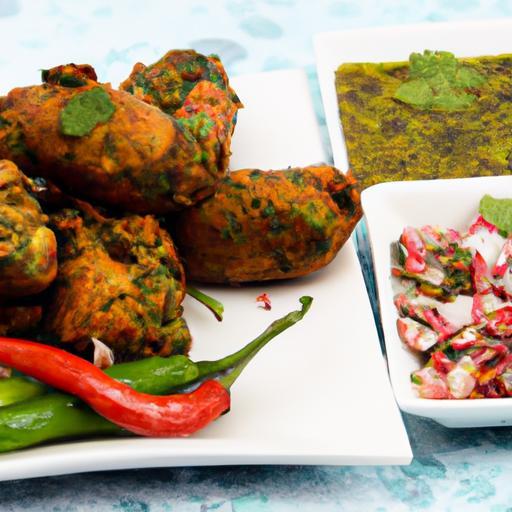
Bhaji vs Pakora: Crunching the spiced Indian snack debate opens a flavorful journey into the rich tapestry of India’s culinary heritage, where these beloved fritters have long stood as cherished street food and festival staples. Originating from diverse regional traditions, bhajis typically celebrate the humble onion, sliced thin and coated in a fragrant chickpea batter, while pakoras showcase an array of vegetables, meats, or paneer, each enveloped in a spice-laden chickpea batter before frying to perfection.
Both snacks trace back hundreds of years, embodying a fusion of Persian influences and indigenous Indian cooking techniques that highlight the celebration of seasonal produce during monsoon festivals. My earliest memories include clutching warm pakoras on bustling market lanes, their aromatic allure irresistible even to a child. Understanding this shared heritage enriches your experience as you prepare or savor them today.
Prep and Cook Time
- Preparation: 20 minutes
- Cooking: 15 minutes
- Total Time: 35 minutes
Yield
- Serves 4 as a snack
Difficulty Level
- Easy to Medium
Ingredients
- 1 cup chickpea flour (besan), sifted
- 1 medium onion, thinly sliced (for bhaji)
- 1 cup mixed vegetables (potatoes, spinach, cauliflower – finely chopped) for pakora
- 2 green chilies, finely chopped
- 1 tsp cumin seeds
- 1 tsp garam masala
- ½ tsp turmeric powder
- ½ tsp red chili powder
- 2 tsp ginger-garlic paste
- ½ tsp baking soda (optional, for extra fluffiness)
- ½ cup water or as needed to form a thick batter
- Salt to taste
- Fresh coriander leaves, chopped
- Oil for deep frying
Instructions
- Prepare the batter: In a large bowl, combine sifted chickpea flour, spices, cumin seeds, baking soda (if using), and salt. Gradually whisk in water to form a smooth, thick batter that clings to vegetables comfortably but isn’t runny.
- Add aromatics and veggies: Mix in the ginger-garlic paste, chopped chilies, and fresh coriander leaves. For bhaji, add thinly sliced onion. For pakora, fold in the mixed vegetables.
- Heat oil: In a deep frying pan or wok, heat oil over medium-high heat until a small drop of batter sizzles immediately.
- Fry in batches: Drop spoonfuls of the batter-coated veggies gently into the hot oil. Don’t overcrowd the pan to ensure even cooking.
- Cook until golden: Fry each batch for about 4-5 minutes, turning occasionally for even golden-brown crust and perfect crunch. Use a slotted spoon to transfer to paper towels to drain excess oil.
- Serve hot: Enjoy bhajis and pakoras hot from the fryer for optimum texture and flavor.
Chef’s Notes: Tips for Success
- For an extra crispy texture, add a tablespoon of rice flour to the batter.
- If the batter is too thick, add water a little at a time; a thick yet flowy batter adheres best.
- Maintain medium-high oil temperature around 350°F (175°C); too hot will burn the outsides while leaving the interiors raw.
- Experiment with fillings-try paneer chunks for pakoras or even spinach and fenugreek leaves for bhajis to elevate textures and flavors.
- Make the batter fresh-letting it sit too long can cause excess moisture and sogginess.
Serving Suggestions
Plate your bhajis and pakoras with vibrant mint-coriander chutney or tangy tamarind sauce to balance the spice and add freshness. Garnish with thin lemon wedges and a sprinkle of chaat masala for an authentic Indian street-food experience. Pair them with a hot cup of masala chai to complete this comforting snack ritual.
| Nutrient | Per Serving (approx.) |
|---|---|
| Calories | 250 |
| Protein | 8g |
| Carbohydrates | 30g |
| Fat | 12g |
For a deeper dive into Indian spices and their role in our favorite snacks, check out our comprehensive spice guide. To explore the fascinating history of chickpea flour’s worldwide culinary impact, visit Britannica Chickpea Article.

Q&A
Bhaji vs Pakora: Crunching the Spiced Indian Snack Debate – Q&A
Q1: What’s the basic difference between a bhaji and a pakora?
A1: At their core, both bhajis and pakoras are beloved Indian snacks made by deep-frying spiced, battered ingredients. The key difference lies in their regional origins and the main ingredient. Bhajis typically refer to spiced onion fritters popular in Maharashtra and South India, where thin slices of onion are coated in gram flour batter and fried until crisp. Pakoras, meanwhile, are a broader category-anything from potatoes, spinach, cauliflower, to paneer-dipped in seasoned chickpea flour batter and deep-fried. So, bhaji is a type of pakora but specifically onion-focused in many traditions.
Q2: Are bhaji and pakora prepared using different batters?
A2: Mostly, both use a similar chickpea flour (besan) batter enriched with spices like turmeric, chili, cumin, and sometimes baking soda for extra fluffiness. However, the texture of the batter might be adjusted slightly-bhaji batter tends to be thinner, allowing onions to stay crispy yet coated, while pakora batter is often thicker to hold chunky vegetables or paneer together as they fry.
Q3: How does the texture and taste vary between bhajis and pakoras?
A3: Bhajis are known for their delicate, lacy crunch that harmonizes with the sweetness of caramelized onions and subtle spices. Pakoras offer a more varied experience: crispy on the outside, soft or tender inside depending on the filling. Since pakoras can include different veggies or proteins, their flavor profile ranges from earthy (potato) to fresh and green (spinach) or creamy (paneer). Both pack a spicy punch but offer different munching rhythms.
Q4: Can bhaji and pakora be enjoyed interchangeably?
A4: While they share many ingredients and preparation methods, purists argue that bhajis and pakoras should be savored in their own right. Bhajis bring a classic simplicity with focused flavor on onion’s sweetness, making them perfect as a tea-time snack. Pakoras’ diversity lends themselves to creative experimentation and hearty bites. That said, if you’re just craving a crispy spiced snack, either will hit the spot beautifully.
Q5: What accompaniments traditionally go with bhajis and pakoras?
A5: Both snacks are often paired with tangy tamarind chutney or refreshing mint-coriander chutney to balance their rich, fried goodness. A hot cup of chai (Indian spiced tea) is the quintessential companion during rainy-day snacking. Some love them with a sprinkle of chaat masala or a squeeze of lemon for an added zing.
Q6: Is there a cultural or festival significance to bhajis or pakoras?
A6: Absolutely! Pakoras hold a special place in Indian festivals and monsoon rituals-they’re comfort snacks that warm the soul. Bhajis, especially onion bhajis, are a staple at family gatherings and street food stalls across India. During Diwali, Eid, or Holi, pakoras often make an appearance as festive treats shared among loved ones, symbolizing hospitality and celebration.
Q7: Any tips for making the perfect bhaji or pakora at home?
A7: Keep these in mind: use fresh chickpea flour for a better batter, moderate oil temperature to avoid greasy fritters, and season the batter well beforehand. Slice onions thinly and evenly for bhajis, and for pakoras, cut veggies into bite-sized pieces. Fry in small batches for crispness and drain on paper towels to keep them light. Most importantly-don’t overmix the batter; let it rest briefly before frying for tender results.
Crunching through the bhaji vs pakora debate reveals that while their lines blur deliciously, each snack carries its own story, flavor, and flair. Whether you lean toward the onion’s golden crisp or the versatile veggie medley, both celebrate the timeless joy of spiced Indian snacking.
Concluding Remarks
As the delightful aroma of spices lingers and the crunch of these beloved snacks echoes in our minds, the Bhaji vs Pakora debate reveals more than just differing recipes-it celebrates the rich tapestry of Indian culinary tradition. Whether you savor the crispy potato-laden Bhaji or the diverse, chickpea-batter-coated medley of a Pakora, both bring their own unique charm to the table. So next time you’re faced with the choice, remember: it’s not just about which snack wins, but about honoring the shared heritage that makes every bite a flavorful journey. After all, in the world of Indian snacks, the real winner is the taste that brings us together.