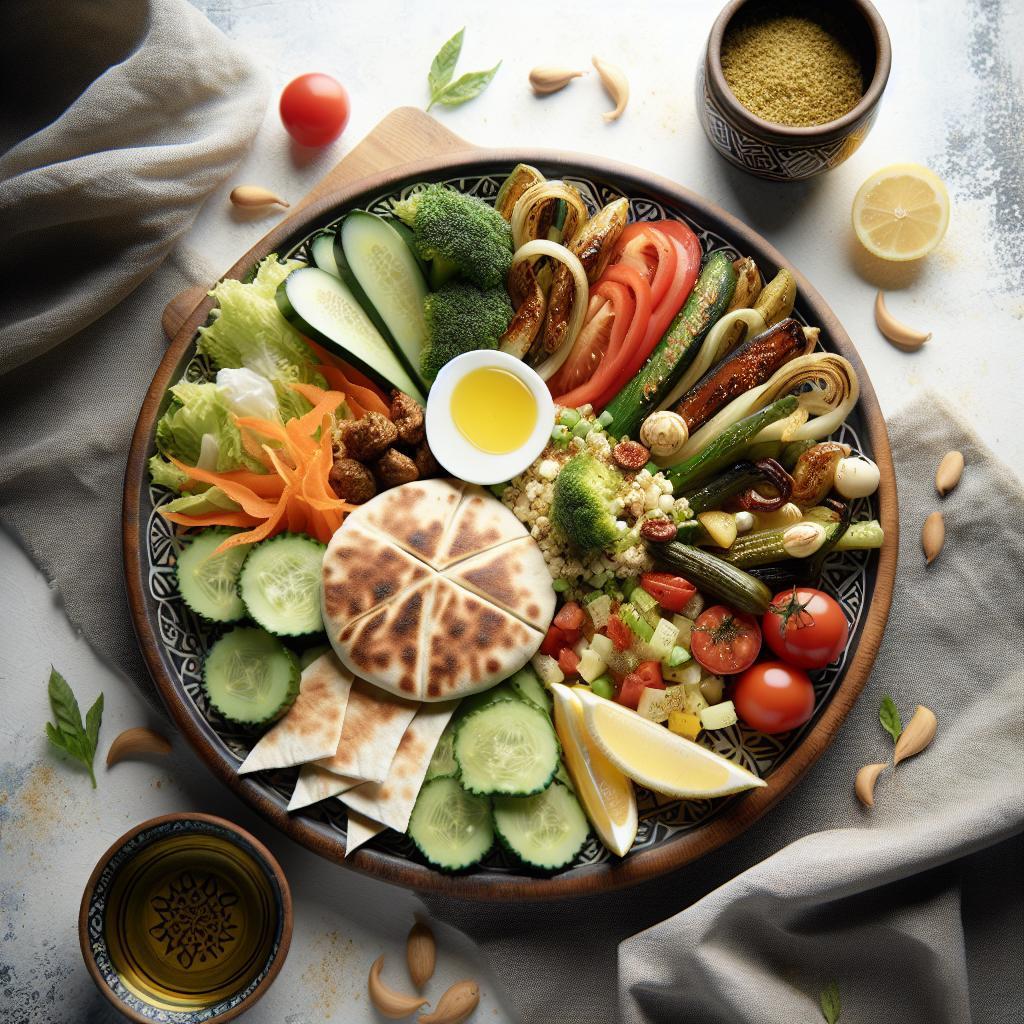

As the golden sun dips below the horizon, a serene hush spreads over bustling cities and tranquil villages alike. Plates are quietly set, dates are gently unwrapped, and the air becomes rich with the aroma of spices and simmering stews. This sacred moment marks more than just the end of a day’s fast; it is the cherished ritual of Iftar-a time when millions come together to break their fast during Ramadan. More than a meal, Iftar is a tapestry woven with deep meaning, centuries-old traditions, and a profound sense of community and gratitude. In this article, we will explore the vibrant customs and spiritual significance that transform the simple act of breaking the fast into a celebration of faith, family, and fellowship.
Exploring Traditional Iftar Dishes Across Cultures
Breaking the Fast transcends mere hunger, inviting a moment of spiritual reflection and community bonding through cuisine. Around the world, each culture brings its own soulful interpretations to the iftar table, infusing this sacred moment with unique flavors and heartfelt tradition. From the rich, spiced dates and fragrant lentil soups of the Middle East to the vibrant samosas and sweet falooda of South Asia, these dishes serve as delicious bridges connecting heritage and faith.
One timeless favorite is Harira, a Moroccan tomato-based soup layered with chickpeas, lentils, and fresh herbs. It’s traditionally served to nourish the body and spirit after a day of fasting. The warmth of the soup naturally encourages togetherness and gratitude. Sharing such dishes highlights how food acts as a universal language during iftar, blending family, faith, and festivity.
Prep and Cook Time
- Prep Time: 20 minutes
- Cook Time: 1 hour
Yield
- Makes 6-8 servings
Difficulty Level
- Medium
Ingredients
- 1 cup dried chickpeas, soaked overnight
- 1/2 cup lentils, rinsed
- 4 large tomatoes, finely chopped
- 1 onion, diced
- 3 cloves garlic, minced
- 1/4 cup fresh parsley, chopped
- 1/4 cup fresh cilantro, chopped
- 1 tsp ground cinnamon
- 1 tsp ground ginger
- 1 tsp turmeric powder
- 2 tbsp olive oil
- 6 cups vegetable broth
- Salt and pepper, to taste
- 1 lemon, cut into wedges
Instructions
- Drain the chickpeas from soaking water and rinse thoroughly. In a large pot, cover chickpeas with water and boil gently for 30 minutes, then drain.
- Heat olive oil in a large soup pot over medium heat. Add diced onion and garlic. Sauté until soft and translucent, about 5 minutes.
- Add chopped tomatoes and cook for another 8-10 minutes until tomatoes break down and form a rich base.
- Stir in the rinsed lentils, pre-cooked chickpeas, and all spices (cinnamon, ginger, turmeric). Cook for 2 minutes to release their aroma.
- Pour in the vegetable broth and bring the soup to a simmer. Reduce heat to low and cover. Let simmer gently for 40 minutes, stirring occasionally.
- Add chopped parsley and cilantro 10 minutes before the end of cooking for a fresh herbal note.
- Season with salt and pepper to taste. For vibrant contrast, serve with fresh lemon wedges alongside.
Tips for Crafting a Nourishing and Balanced Iftar Meal
Incorporating soupy dishes like this Moroccan Harira ensures hydration and slow-releasing carbohydrates to revitalize your body gently. Pair it with some whole-grain flatbread and a side of fresh salads to balance nutrients and textures. Remember, the essence of breaking the fast lies not only in what you eat but how you share it-with gratitude and community in every bite.
Chef’s Notes
- Variation: For a richer flavor, add diced lamb or chicken before simmering.
- Substitution: Use canned chickpeas and lentils to reduce prep time, adjusting the simmering accordingly.
- Make-ahead: This soup tastes even better the next day; prepare in advance to deepen the flavors.
- Vegan Friendly: Keep vegetable broth and omit meat for a wholesome vegan alternative.
- Serving Tip: Garnish with a sprinkle of fresh mint or a dollop of cooling yogurt to enhance the dish.
Serving Suggestions
Present this hearty Harira in wide, shallow bowls to highlight its vibrant colors and inviting aroma. Complement with warm pita bread or whole wheat khobz. For a festive iftar, arrange an assortment of mezza dishes like stuffed grape leaves, olives, and spiced nuts alongside. A cool glass of rosewater-infused lemonade provides a refreshing finish to your meal.
| Nutrient | Per Serving |
|---|---|
| Calories | 280 kcal |
| Protein | 12 g |
| Carbohydrates | 40 g |
| Fat | 6 g |
Explore delicious Ramadan desserts to complement your Iftar meals.
For more insights on Middle Eastern culinary traditions, visit Slow Food International.

Q&A
Q&A: Breaking the Fast – The Meaning and Traditions of Iftar
Q1: What exactly is Iftar?
A1: Iftar is the joyous meal that marks the end of the daily fast during the holy month of Ramadan. As the sun sets, Muslims worldwide break their fast together, celebrating the nourishment of both body and spirit after hours of daytime abstinence.
Q2: Why is Iftar so significant in Ramadan?
A2: Iftar is more than just a meal-it’s a sacred ritual that embodies gratitude, community, and reflection. After a day of fasting from dawn to sunset, Iftar serves as a moment to reconnect with loved ones, appreciate blessings, and renew one’s spiritual commitment.
Q3: What foods are traditionally eaten during Iftar?
A3: Traditions vary by culture, but dates and water are universally favored to break the fast, following the example of the Prophet Muhammad. Beyond that, tables often overflow with savory soups, fresh salads, fragrant rice dishes, grilled meats, and sweet desserts like baklava or qatayef-each bite a delicious celebration of cultural heritage.
Q4: How does Iftar foster community?
A4: Iftar is often a communal affair, drawing families, neighbors, and strangers to share in the breaking of the fast. Mosques and charitable organizations host open Iftar dinners, emphasizing hospitality and unity. This shared experience strengthens social bonds and embodies the spirit of generosity central to Ramadan.
Q5: Are there any spiritual practices linked to Iftar?
A5: Absolutely. It’s customary to make a heartfelt dua (prayer) just before breaking the fast, thanking God for the strength to fast and asking for blessings. Many also use the moment to reflect on self-discipline, empathy for the less fortunate, and personal growth.
Q6: How has modern life influenced Iftar traditions?
A6: In today’s fast-paced world, Iftar blends tradition with convenience. While many families still gather for home-cooked meals, busy schedules have inspired innovative ways to celebrate-online Iftar gatherings, community food drives, and even Iftar delivery services. Yet, the essence remains unchanged: a time to pause, give thanks, and break bread together.
Q7: Can non-Muslims participate in Iftar?
A7: Certainly! Iftar is a wonderful opportunity for interfaith solidarity, cultural exchange, and shared humanity. Many Muslims welcome friends of all backgrounds to join their Iftar tables, fostering understanding and celebration across communities.
Q8: What lasting message does Iftar convey beyond Ramadan?
A8: Iftar teaches mindfulness, gratitude, and compassion-values that transcend the fasting month. It reminds us to appreciate life’s blessings, nurture our relationships, and extend kindness to others, all year round. Breaking the fast is, in essence, a beautiful metaphor for renewal and hope.
Key Takeaways
As the sun dips below the horizon and the call to break the fast echoes through homes and hearts, Iftar emerges not just as a meal, but as a sacred ritual woven with intention, gratitude, and community. It is a moment that transcends hunger, inviting reflection on patience and compassion, while rekindling bonds among family and friends. From the dates and water that gently awaken the senses to the lavish spreads that celebrate generosity and togetherness, Iftar is a vibrant tapestry of meaning and tradition. In embracing this cherished practice, we not only honor the rhythms of Ramadan but also celebrate a universal human experience-the joy of sharing and the power of unity at day’s end.