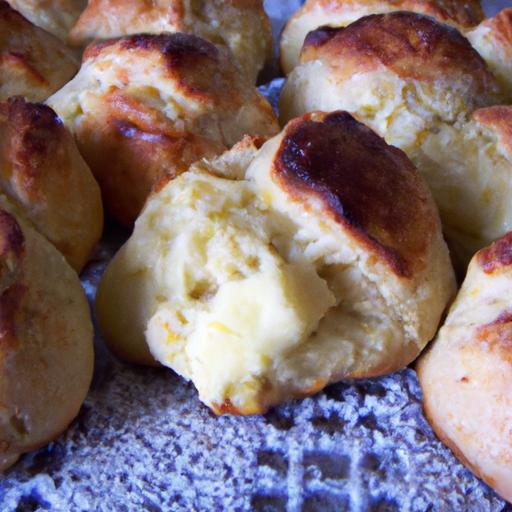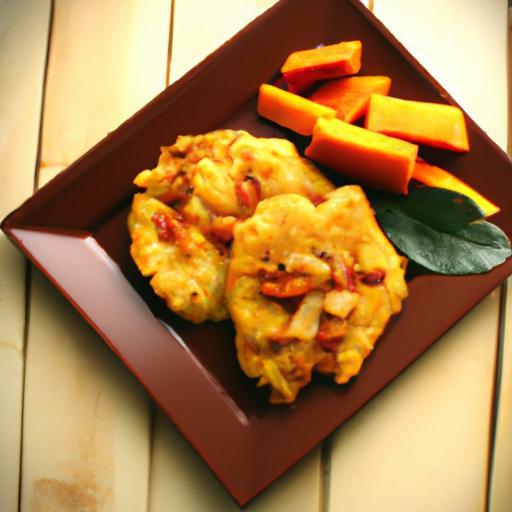

Imagine biting into a warm, golden cachapa-the sweet corn pancake beloved across Venezuela-only to watch it crumble apart in your hands, refusing to hold its shape like it should. What’s going wrong? Despite their rustic charm, cachapas can sometimes prove frustratingly fragile, leaving home cooks puzzled and diners disappointed. In this article, we’ll explore the science and secrets behind why these delicious treats might be falling apart, from ingredient ratios and cooking techniques to the magic of corn itself. Whether you’re a seasoned cachapero or a curious newcomer, get ready to uncover why these corn cakes sometimes struggle to stick together-and how you can fix it for good.
Cachapas crumbling? Here’s why they can’t stick together and how perfect texture and batter consistency make all the difference in this beloved Venezuelan corn pancake. At its heart, the magic of a cachapa lies in achieving that luscious, sticky, and moist bite, hugging the cheese and ingredients inside without falling apart. The secret starts with the quality and freshness of your corn-think bright, golden kernels bursting with natural sugars-and how you combine those kernels into a well-balanced batter. From there, mastering cooking techniques ensures your cachapas hold firm and melt with flavor.
Prep and Cook Time
- Preparation: 15 minutes
- Cooking: 20 minutes
- Total Time: 35 minutes
Yield
- 4 medium-sized cachapas (serves 2-3)
Difficulty Level
- Medium
Ingredients
- 3 cups fresh corn kernels (preferably sweet yellow corn, slightly ground)
- 1/4 cup cornmeal (helps bind and add slight grit)
- 1/4 cup whole milk (for smooth batter flow)
- 2 tablespoons all-purpose flour (added binding strength)
- 1 tablespoon sugar (enhances caramelization and flavor)
- 1 teaspoon baking powder (for gentle puffiness)
- 1/4 teaspoon salt (balances sweetness)
- 2 tablespoons melted butter or oil (adds moisture and richness)
- Butter or oil for cooking
Instructions
- Prepare the batter: In a food processor or blender, pulse fresh corn kernels until coarsely ground-retaining some texture is key for that authentic cachapa bite.
- Combine dry ingredients: In a mixing bowl, whisk together cornmeal, flour, sugar, baking powder, and salt.
- Mix wet and dry: Add the ground corn, milk, and melted butter to the dry ingredients. Stir gently until just combined; the batter should be thick but spreadable. Avoid overmixing to keep the texture light.
- Preheat the skillet: Heat a non-stick or cast-iron skillet over medium heat. Brush lightly with butter or oil to prevent sticking.
- Cook the cachapa: Spoon about 1/2 cup of batter per cachapa onto the skillet, spreading gently into a 5-6 inch circle. Cook for about 4-5 minutes on the first side until bubbles form and edges are golden brown.
- Flip carefully: Using a wide spatula, flip the cachapa and cook another 3-4 minutes until golden and cooked through, maintaining a soft, moist interior.
- Rest before serving: Transfer to a warm plate and cover loosely with foil to keep moist while you finish the batch.
Tips for Success
- Freshness matters: Fresh corn is the foundation of a sticky, cohesive batter. If fresh corn isn’t available, thawed frozen corn may suffice but won’t yield quite the same sticky texture.
- Texture balance: Balancing wet and dry ingredients is crucial. Too thin a batter leads to runny, crumbly pancakes; too thick may cause dryness.
- Cooking temperature: Medium heat is your best friend-too hot and the outside burns before the inside sets; too low and the batter won’t cook through properly.
- Binding agents: Small amounts of baking powder and flour boost cohesion without sacrificing the fresh corn flavor.
- Layer cheese early: If stuffing with cheese, place it after the first flip and cover the pan for a minute to encourage melting and adherence.
- Make-ahead: To reheat, gently warm cachapas in a skillet over low heat to restore moisture and softness.
Serving Suggestions
Serve cachapas warm with creamy cheese like queso de mano or mozzarella stuffed inside for rich, gooey goodness. Top with a dab of butter, a drizzle of honey, or a sprinkle of fresh herbs like cilantro for a fresh contrast. They pair beautifully with Venezuelan-style shredded beef (carne mechada) or a side of black beans for a hearty, comforting meal.

Nutritional Information Per Serve
| Calories | Protein | Carbs | Fat |
|---|---|---|---|
| 220 kcal | 6 g | 32 g | 7 g |
Discover more tips on maintaining perfect Venezuelan cachapa texture in our Venezuelan Corn Pancakes Texture Guide and learn about the importance of fresh corn from Agricultural Marketing Resource Center.
Q&A
Q&A: Cachapas Crumbling? Here’s Why They Can’t Stick Together
Q1: What exactly are cachapas?
A1: Cachapas are traditional Venezuelan corn pancakes made from fresh corn batter, boasting a naturally sweet flavor and a tender, slightly grainy texture. They’re often served folded or stuffed with cheese, creating a delicious, melty treat.
Q2: Why do my cachapas crumble or fall apart when I flip or fold them?
A2: Crumbling cachapas usually signal that the batter is too dry or the pan temperature is off. Without enough moisture or binding agents, the batter won’t hold together, and the cachapas may crack or crumble when handled.
Q3: Is the type of corn important in making perfect cachapas?
A3: Absolutely! Traditional cachapas use fresh, juicy corn kernels-either freshly ground or blended-which deliver natural starch and moisture. Using dried cornmeal or overly processed corn can make the batter dry and crumbly.
Q4: Can I fix crumbling by adding binders like eggs or flour?
A4: While traditional recipes don’t always call for eggs or flour, adding a bit of these binders can help improve cohesion if your batter is too loose or crumbly. However, balance is key; too much flour can toughen the texture, robbing cachapas of their signature tender bite.
Q5: How does cooking technique affect cachapa cohesion?
A5: Cooking at medium heat is crucial. Too hot, and the edges crisp or burn before the center sets, causing breaks; too cool, and they won’t cook through properly, making them fragile. Also, flipping too early prevents cachapas from firming up enough to hold together.
Q6: Does resting the batter help?
A6: Yes! Letting the batter rest for 10-15 minutes allows the corn’s natural starches to hydrate fully, improving the batter’s consistency and helping the pancakes stick together beautifully.
Q7: Can the pan type influence cachapa success?
A7: Definitely. A well-seasoned, non-stick or cast-iron skillet provides even heat and prevents sticking, making flipping and folding smoother and reducing crumbling.
Q8: Any secret tips for making cachapas that hold together?
A8: Embrace the corn’s natural moisture, don’t skimp on resting time, cook patiently on medium heat, and handle with gentle confidence. Fresh homemade cheese like queso de mano also pairs perfectly inside, lending moisture and richness that bind one side to the other when folded.
Now armed with the why and how, you’re ready to master cachapas that stay intact-golden, sweet, and irresistibly cohesive!
The Way Forward
In the delicate dance of cachapas, the perfect flip hinges on more than just timing-it’s a symphony of ingredients, temperature, and technique working in harmony. When those golden corn pancakes crumble and fall apart, it’s not just bad luck; it’s a sign that something in the mix needs a little fine-tuning. From the moisture content of the corn to the binding power of the batter, understanding these subtle nuances transforms a frustrating flop into a delicious success. So next time your cachapas threaten to crumble, remember: with the right balance and a touch of patience, you’ll be flipping flawless golden delights that stick together as beautifully as tradition and flavor do in every bite.