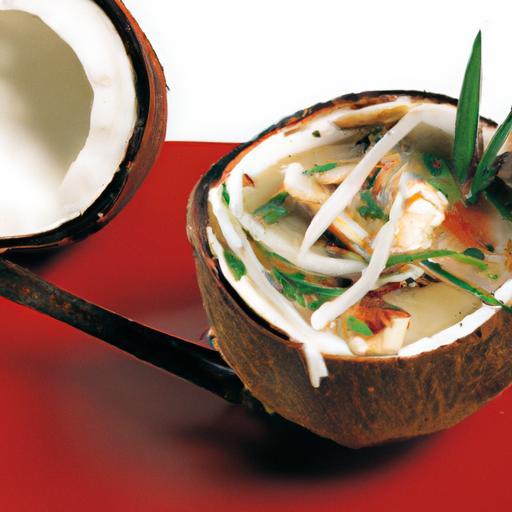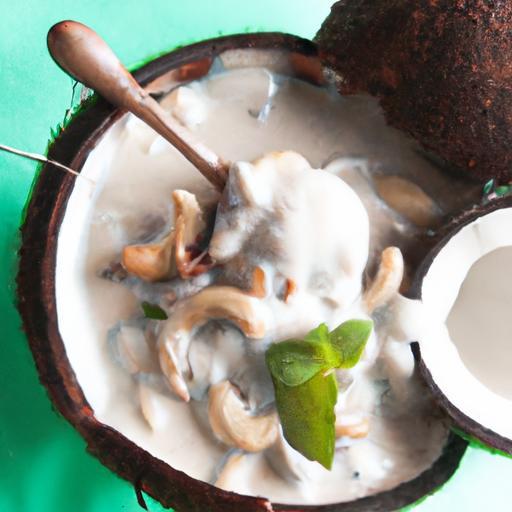

In the vibrant tapestry of Southeast Asian cuisine, where flavors dance with a harmony of sweet, sour, spicy, and savory, one ingredient reigns supreme as the creamy heart of every beloved dish: coconut milk. This luscious, milky elixir, extracted from the tender flesh of mature coconuts, imbues curries, soups, desserts, and sauces with a rich depth and velvety smoothness that is both comforting and exotic. More than just an ingredient, coconut milk is a cultural cornerstone, weaving together traditions, stories, and tastes from bustling street markets to royal kitchens across the region. Join us as we delve into the world of coconut milk-uncovering its culinary magic, nutritional virtues, and the timeless role it plays in the flavorful symphony of Southeast Asia.
Coconut milk has long been the luscious, velvety essence that breathes life into Southeast Asian cuisine. From the bustling street markets of Thailand to the serene coastal villages of Indonesia, this creamy liquid binds tradition with flavor, turning humble ingredients into unforgettable dishes. Its richness evokes stories of heritage and culinary artistry, treasured by chefs and home cooks alike who understand its transformative magic.
Prep and Cook Time
- Preparation: 15 minutes
- Cooking: 25 minutes
- Total Time: 40 minutes
Yield
Serves 4 generous portions.
Difficulty Level
Medium – approachable for intermediate home cooks eager to explore authentic Southeast Asian flavors.
Ingredients
- 2 cups coconut milk (fresh or canned, full-fat preferred)
- 1 lb boneless chicken thighs, cut into bite-sized pieces
- 1 tbsp vegetable oil or coconut oil
- 1 medium onion, finely chopped
- 3 cloves garlic, minced
- 1 tbsp fresh ginger, grated
- 2 tbsp Thai red curry paste
- 1 tbsp fish sauce
- 1 tsp sugar (palm sugar if available)
- 1 cup bamboo shoots, drained
- 1 red bell pepper, thinly sliced
- 1 cup fresh Thai basil leaves
- Juice of 1 lime
- Steamed jasmine rice, to serve
Instructions
- Heat the oil in a large skillet over medium heat. Add the chopped onion and sauté until translucent, about 4 minutes.
- Stir in the garlic and ginger, cooking until fragrant, roughly 2 minutes, careful not to let them burn.
- Add the red curry paste and cook for another 2 minutes, stirring constantly to release the aromatic oils.
- Pour in the coconut milk, stirring to blend the paste smoothly. Bring to a gentle simmer.
- Add the chicken pieces to the mixture, coating them evenly. Cook for 10-12 minutes, until the chicken is tender and cooked through.
- Season the curry with fish sauce and sugar, balancing salty and sweet notes. Taste and adjust as needed.
- Incorporate the bamboo shoots and red bell pepper, simmering just 3-4 more minutes to keep the vegetables crisp-tender.
- Remove from heat, then stir in fresh Thai basil leaves and lime juice for a burst of freshness.
- Serve immediately atop steamed jasmine rice, garnished with extra basil leaves or a wedge of lime.
Chef’s Notes: Tips for Success
- Freshness matters: Using fresh coconut milk elevates creaminess and flavor, but good-quality canned milk works brilliantly for convenience.
- Adjust spice levels: Customize the heat by adding more or less curry paste, or balance with a touch of coconut sugar.
- Make it vegetarian: Swap chicken for firm tofu or hearty mushrooms for a delicious plant-based version.
- Prep ahead: The curry tastes even better the next day once flavors meld, making it an ideal make-ahead meal.
- Prevent splitting: Stir frequently when simmering coconut milk; avoid high heat to keep the milk silky and smooth.
Serving Suggestions
Present this vibrant dish in a shallow bowl to showcase its rich coconut milk base. Garnish generously with fresh basil to add aromatic complexity. A side of crisp cucumber salad or pickled vegetables offers a refreshing contrast. For added texture, sprinkle toasted peanuts or crispy shallots atop before serving. Pair with fragrant jasmine rice to soak up every creamy drop, completing a balanced and colorful Southeast Asian feast.

| Nutritional Info (per serving) | Calories | Protein | Carbs | Fat |
|---|---|---|---|---|
| Chicken Coconut Curry | 380 kcal | 28 g | 12 g | 24 g |
Expand your culinary exploration by visiting our authentic Thai Red Curry recipe for more insights and flavor variations.
For an authoritative dive into coconut milk’s health benefits and cultural history, check out this comprehensive resource from Encyclopædia Britannica.
Q&A
Q&A: Coconut Milk – The Creamy Heart of Southeast Asian Cuisine
Q1: What makes coconut milk so special in Southeast Asian cooking?
A1: Coconut milk is like liquid gold in Southeast Asia-rich, creamy, and fragrant. It adds a luscious texture and subtle sweetness that transforms dishes into heartwarming classics. Its versatility lets it glide effortlessly from spicy curries to refreshing desserts, making it the culinary soul of the region.
Q2: How is coconut milk traditionally made in Southeast Asia?
A2: Traditionally, fresh coconut meat is grated and pressed with warm water to extract the creamy, milky liquid. This process yields a pure, velvety coconut milk with a natural sweetness and aromatic depth, often harvested fresh daily to ensure maximum flavor.
Q3: Are there different types of coconut milk used in cooking?
A3: Yes! Typically, there’s “thick” coconut milk, squeezed from the first pressing of grated coconut, perfect for indulgent dishes and rich sauces. Then comes the “thin” or diluted coconut milk, used for soups or lighter curries, made by mixing the leftover coconut pulp with more water.
Q4: Why does coconut milk pair so well with spices and herbs in Southeast Asian cuisine?
A4: Coconut milk is a master of harmony-its creamy sweetness mellows fiery chilies, balances pungent lemongrass, and carries aromatic herbs like kaffir lime leaves and galangal. This rich canvas lets spices dance and sing, creating the signature bold, layered flavors beloved across the region.
Q5: Can coconut milk be used in both savory and sweet dishes?
A5: Absolutely! From fragrant Thai green curry and Indonesian rendang to Malaysian bubur chacha and Filipino halo-halo, coconut milk bridges the gap between savory and sweet. Its natural sweetness lends softness to desserts while enhancing umami in savory meals.
Q6: What should one look for when buying coconut milk for cooking?
A6: Look for coconut milk made with minimal additives-ideally just coconut and water-for authentic flavor. Full-fat versions bring creaminess, while lighter options offer subtlety. Freshness and quality matter; canned or boxed coconut milk from trusted brands will bring consistent richness to your dishes.
Q7: How can home cooks replicate authentic Southeast Asian coconut milk dishes?
A7: Start with fresh or high-quality coconut milk, and pair it with traditional herbs and spices-think turmeric, chili, ginger, and kaffir lime leaves. Simmer gently to let the flavors marry, and don’t rush the heat; the magic happens slowly as coconut milk infuses the dish, creating that luscious signature creaminess.
Q8: Beyond flavor, what cultural significance does coconut milk hold in Southeast Asia?
A8: Coconut milk is more than an ingredient-it’s a symbol of sustenance, hospitality, and tradition. Integral to religious ceremonies, festivals, and family recipes passed down generations, this creamy elixir connects communities, nourishing both body and spirit with every delicious bite.
Coconut milk isn’t just a cooking staple-it’s the heart and soul of Southeast Asian cuisine, weaving together flavors, stories, and traditions into every silky spoonful.
Closing Remarks
From vibrant curries to delicate desserts, coconut milk is more than just an ingredient-it’s the creamy heart that beats through Southeast Asian cuisine. Its rich, velvety texture and subtly sweet aroma weave tradition and flavor into every dish, inviting us to savor the stories and cultures behind each spoonful. As you explore the luscious world of coconut milk, remember that embracing this tropical treasure is not just a culinary choice but a journey into the soul of a region where food is poetry, and every recipe tells a tale. Whether you’re a seasoned chef or a curious newcomer, let coconut milk inspire your kitchen adventures and bring a taste of Southeast Asia’s vibrant heritage to your table.