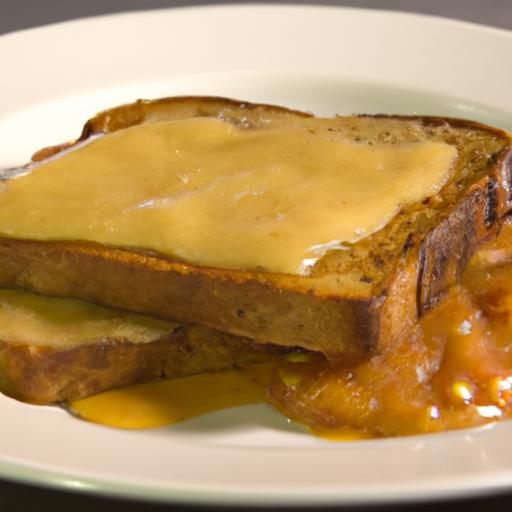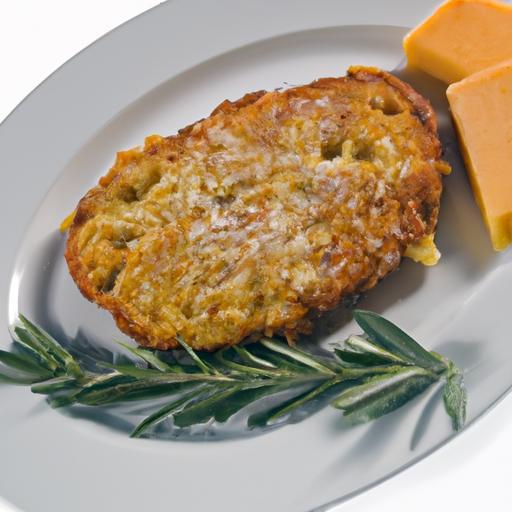

There’s something undeniably comforting about a velvety, golden Welsh Rarebit-melted cheese cascading over toasted bread in perfect harmony. Yet, for some enthusiasts, that smooth, luscious texture can curiously give way to an unexpected grainy bite, leaving taste buds puzzled and appetites unsatisfied. What hidden secrets lie behind this culinary conundrum? In “Cracking the Case: Why Your Welsh Rarebit Feels Grainy,” we delve deep into the chemistry, technique, and tradition that shape this beloved British classic, uncovering the reasons why your rarebit might be missing that silky smoothness-and how to fix it for good.
Cracking the Case: Why Your Welsh Rarebit Feels Grainy starts with understanding the delicate interplay of ingredients and technique that transform this classic British dish from a gritty disappointment into a luscious, velvety cheese toast experience. Originating as a humble pub favorite, Welsh Rarebit is celebrated for its rich, savory cheese sauce that cloaks crisp toasted bread. Yet, the dreaded grainy texture often betrays the dish’s potential, turning a comfort food into a culinary puzzle.
At its core, Welsh Rarebit relies on melting sharp cheese into a smooth, creamy concoction aided by the right balance of fats, liquids, and thickeners. Key ingredients like sharp cheddar, whole milk or cream, and a careful touch with mustard and Worcestershire sauce all impact the texture and consistency. Overheating, incorrect melting order, or dry, crumbly cheese can ruin the silkiness that makes this dish irresistible.
Prep and Cook Time
Preparation: 10 minutes | Cook Time: 10 minutes | Total Time: 20 minutes
Yield
Serves 4 generous portions
Difficulty Level
Medium – requires careful attention to heat and timing
Ingredients
- 200g sharp mature cheddar cheese, grated
- 1 tbsp unsalted butter
- 1 tbsp all-purpose flour, sifted
- 150ml whole milk, warmed
- 1 tsp Dijon mustard
- 1 tsp Worcestershire sauce
- Freshly ground black pepper, to taste
- 4 thick slices of rustic bread, toasted
- Optional: pinch of smoked paprika or cayenne pepper
Instructions
- Melt butter in a medium saucepan over low heat. Add the all-purpose flour and whisk continuously to create a smooth roux. Cook gently for 1-2 minutes without browning, ensuring the mixture remains pale and fluid.
- Slowly pour the warmed whole milk into the roux, continuing to whisk vigorously to avoid lumps forming. Cook over low heat until the mixture thickens to a creamy consistency, about 3-4 minutes.
- Reduce heat to the lowest setting and gradually fold in the grated cheddar cheese, stirring gently until completely melted. Avoid high heat to prevent the cheese from seizing and becoming grainy.
- Add Dijon mustard, Worcestershire sauce, and black pepper to the sauce. Stir to combine, tasting to adjust seasoning. For an extra smoky note, sprinkle in smoked paprika or cayenne pepper if desired.
- Immediately spoon the rich cheese sauce over the crisply toasted bread slices, ensuring even coverage. Serve piping hot for the best silky texture before the sauce cools and firms.
Tips for Success
- Choose mature, high-quality cheddar for the strongest flavor and best melting properties. Avoid pre-shredded cheese with anti-caking agents as they can cause a grainy texture.
- Warm your milk before adding to the roux-it melts the cheese more gently and prevents curdling.
- Low and slow is the mantra: Keep the heat low to melt cheese slowly and stop protein separation that causes grit.
- Whisk continuously when combining flour and butter and when adding milk to avoid lumps or graininess.
- Make sauce just before serving. Welsh Rarebit sauce doesn’t reheat well and will become gritty if cooled and reheated.
- For a luscious finish, stir in a small knob of unsalted butter right at the end for added silkiness.
Serving Suggestions
Serve your smooth, creamy Welsh Rarebit immediately, gracing each slice with a sprinkle of fresh chives or finely chopped parsley for a burst of color and herbal lift. Pair with a crisp green salad dressed in sharp vinaigrette or lightly pickled cucumbers to cut through the richness. For a heartier meal, accompany with grilled tomatoes or sautéed mushrooms.
| Nutrient | Per Serving |
|---|---|
| Calories | 350 kcal |
| Protein | 18 g |
| Carbohydrates | 28 g |
| Fat | 20 g |
Unlock the full potential of Welsh Rarebit by respecting the science behind its smooth, creamy texture. For deeper insights into classic British recipes, explore our Classic British Cooking Guide. Enhance your culinary precision with expert cheese melting techniques at Serious Eats.

Q&A
Q&A: Cracking the Case: Why Your Welsh Rarebit Feels Grainy
Q1: What exactly is Welsh rarebit, and why should I care about its texture?
A1: Welsh rarebit is a classic British dish-think rich, savory cheese sauce poured over toasted bread. Its silky, creamy texture is part of its charm. When that smoothness turns grainy, it’s a kitchen mystery worth solving because texture makes or breaks the experience.
Q2: So, what causes the dreaded grainy texture in Welsh rarebit?
A2: The culprit is usually curdling-when your cheese sauce separates into tiny curds instead of staying luxuriously smooth. This happens when cheese gets overheated, or acidic ingredients and heat don’t play nicely, causing the fats and proteins to split apart.
Q3: Is it the cheese’s fault? Does the type of cheese matter?
A3: Absolutely! Sharp Cheddar is the classic choice, but some cheeses have a higher moisture or fat content, which affects melting. Cheddar with a smoother melt is less likely to turn grainy. Older or pre-shredded cheeses often cause trouble because of anti-caking agents interfering with smooth melting.
Q4: How important is the cooking temperature in preventing graininess?
A4: It’s critical! High, direct heat can make the cheese seize up quickly. Slow and low wins this race, allowing the cheese to melt evenly without overheating. Using a double boiler or gentle stovetop heat creates the perfect warm bath for your sauce.
Q5: Can adding other ingredients help keep Welsh rarebit smooth?
A5: Yes! Many recipes call for mustard, Worcestershire sauce, or even beer, which add flavor but can also impact texture. The key is balance-too much acidity or alcohol can cause separation. Adding a little flour or a smooth roux can stabilize the sauce, preventing graininess.
Q6: Any pro tips to guarantee a silky Welsh rarebit every time?
A6: Definitely! Grate your cheese fresh and melt it slowly with a bit of butter and cream or milk. Stir constantly and avoid boiling. If your sauce starts to look grainy, a quick whisk in a splash of warm milk can rescue it. Patience and gentle heat are your best allies.
Q7: What if my Welsh rarebit is grainy-can I fix it?
A7: Sometimes. Try whisking in a spoonful of warm milk to smooth it out or gently reheating over a double boiler with constant stirring. If it’s curdled beyond repair, consider starting fresh, adjusting heat and cheese choice next time.
Q8: Why does this matter beyond just Welsh rarebit?
A8: Understanding cheese melting science helps in many dishes-cheese sauces, fondues, grilled cheese sandwiches. Mastering texture turns comfort food into culinary art and elevates your home cooking game.
In the great Welsh rarebit chronicles, graininess is a puzzle solved with knowledge: gentle heat, fresh cheese, patient stirring, and smart ingredient choices. Crack the case, and you’ll savor that perfect velvety bite every time.
Closing Remarks
As you’ve uncovered, the secret behind that unexpected graininess in your Welsh rarebit lies in the delicate dance of cheese melting and ingredient balance. From the type of cheese you choose to the subtle chemistry of your béchamel or ale, each factor plays its part in creating that smooth, luscious topping we all crave. So next time you’re ready to indulge in this classic dish, armed with these insights, you can crack the case and elevate your rarebit from grainy mystery to golden perfection. After all, in the world of comfort food, understanding the how turns every bite into a little masterpiece.