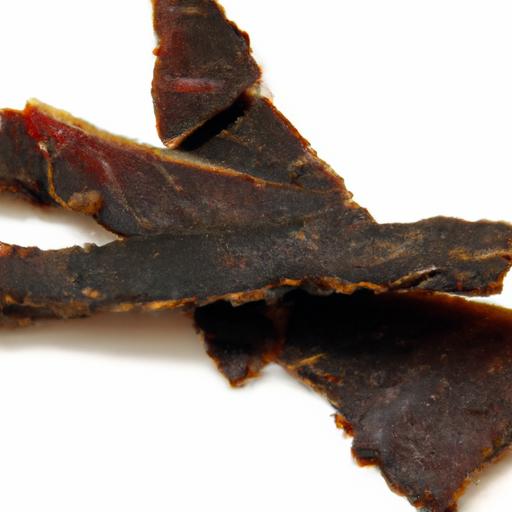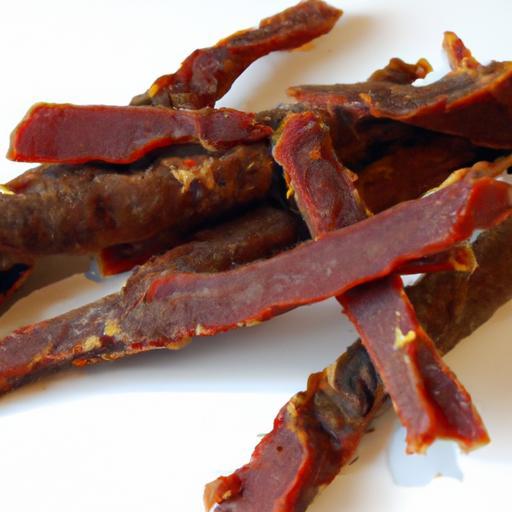

In the heart of South Africa’s rugged landscapes and vibrant cultures lies a time-honored culinary treasure: biltong. More than just dried meat, biltong is a flavorful journey steeped in tradition, patience, and a touch of culinary artistry. Crafting perfect biltong at home isn’t merely about preservation-it’s about capturing the essence of a sun-kissed heritage, transforming simple ingredients into an irresistible, savory snack. Whether you’re a seasoned charcuterie enthusiast or a curious newcomer, this guide will walk you through the rich tapestry of spices, drying techniques, and secrets needed to create your own homemade South African jerky masterpiece. Prepare to embark on a delicious adventure that turns everyday meat into edible gold.
Crafting Perfect Biltong: Homemade South African Jerky Guide
Crafting perfect biltong at home is a rewarding culinary adventure that captures the heart of South African tradition. This beloved dried meat snack carries deep roots in history, where simple ingredients and a patient craft transformed ordinary cuts into flavor-packed treasures. Whether you’re craving a protein-rich treat for your next hike or a savory snack to share with friends, mastering this recipe will give you a true taste of authentic biltong’s rich, smoky allure.
Prep and Cook Time
- Preparation: 20 minutes
- Marinating: 12-24 hours
- Drying: 4-7 days (depending on thickness and drying conditions)
- Total: Approximately 5-8 days
Yield
Serves approximately 6-8 people as a snack or appetizer.
Difficulty Level
Medium – Requires attention to detail and patience, but is straightforward for passionate cooks.
Ingredients
- 1.5 lbs (700g) lean beef – silverside or topside, trimmed of excess fat
- 1 cup malt vinegar
- 2 tbsp coarse sea salt
- 1 tbsp brown sugar
- 2 tsp freshly ground black pepper
- 1 tbsp coriander seeds, toasted and crushed
- 1 tsp smoked paprika (optional, for a smoky depth)
- 1 tsp bicarbonate of soda (baking soda) – to tenderize
- 2 garlic cloves, finely minced (optional)
- 1 tsp chili flakes (optional, for heat)
Instructions
- Choose and prepare your meat: Select a lean cut like silverside for an authentic biltong texture. Slice the meat into ½ to ¾ inch thick strips, cutting with the grain for chewier pieces or against it for a more tender bite.
- Marinate in vinegar: Place meat strips in a glass bowl and pour malt vinegar over them, ensuring every piece is coated. Let it soak for 20 minutes. The vinegar tenderizes and adds signature tang.
- Prepare the spice blend: In a dry skillet over medium heat, toast coriander seeds until fragrant (about 2 minutes). Use a mortar and pestle to crush them coarsely. Combine with salt, brown sugar, pepper, paprika, garlic, chili flakes, and bicarbonate of soda.
- Season the meat: Remove meat from the vinegar and pat dry lightly with paper towels. Rub the spice mix evenly on all sides of the meat strips, pressing spices firmly into the flesh to enhance absorption.
- Marinate again: Arrange the seasoned meat in a single layer on a wire rack or shallow tray, cover loosely with cling film or a clean cloth, and refrigerate for 12 to 24 hours to deepen flavors.
- Set up drying area: Hang meat strips on stainless steel hooks or wooden dowels inside a well-ventilated, cool, and dark spot. Ideally, aim for 18-22°C (65-72°F) with moderate airflow.
- Dry to perfection: Allow biltong to dry for 4-7 days, checking daily for texture. It should feel dry outside but still soft and leathery inside. Adjust drying time based on humidity and thickness.
- Store properly: Once dried, wrap biltong in paper and keep in an airtight container or a breathable cloth bag at room temperature. For longer preservation, refrigeration is recommended.
Chef’s Notes
- Meat Alternatives: While beef topside or silverside is traditional, try game meats like kudu or ostrich for an exotic twist.
- Spice Variations: Experiment with adding roasted fennel seeds, crushed juniper berries, or a pinch of cayenne for different regional flavors.
- Drying Tips: Use a small fan or a dedicated biltong box with humidity control to prevent mold growth and encourage even drying.
- Troubleshooting: If biltong turns too hard, reduce drying time next batch or increase meat thickness. If too moist, extend drying with increased airflow.
- Make-Ahead: Dried biltong can be stored for up to 2 weeks unopened; slice thinly just before serving for best chew and flavor release.
Serving Suggestions
Biltong is best enjoyed sliced thinly, paired with sharp cheddar cheese, crusty bread, or spicy chutney. For an authentic South African touch, serve alongside Amarula cocktail or a chilled craft beer. Garnish your platter with fresh coriander leaves and a scattering of crushed chili flakes to elevate the presentation. For outdoor snacks, pack biltong in reusable wax paper wraps to maintain freshness on the go.
| Nutrient | Per 50g Serving |
|---|---|
| Calories | 120 kcal |
| Protein | 25 g |
| Carbohydrates | 2 g |
| Fat | 1.5 g |

By embracing these simple yet essential steps, your homemade biltong will develop deep, robust flavors and an irresistible texture, embodying the spirit of South African culinary heritage. Dive into the art of Crafting Perfect Biltong and enjoy a taste experience unlike any other.
Learn more about traditional cured meats techniques on Serious Eats.
Q&A
Q&A: Crafting Perfect Biltong – Your Homemade South African Jerky Guide
Q1: What exactly is biltong, and how does it differ from traditional jerky?
A1: Biltong is a beloved South African snack made from cured and air-dried meat, often beef, game, or ostrich. Unlike traditional jerky, which is typically thinly sliced and smoked or dried quickly, biltong is cut into thicker strips, marinated in a vinegar-based mixture with spices, and air-dried slowly. This gives biltong its tender texture and richly spiced, tangy flavor profile.
Q2: What type of meat works best for making biltong at home?
A2: The best meats for homemade biltong are lean and flavorful cuts like silverside (top round), topside, or sirloin. Game meats such as venison or even ostrich can add unique tastes if you’re feeling adventurous. Avoid fatty cuts, as excess fat can spoil during drying.
Q3: How important is the vinegar marinade in the biltong-making process?
A3: Vinegar is essential! It tenderizes the meat and acts as a natural preservative. Typically malt vinegar or apple cider vinegar is used, giving biltong its signature tang. The marinade also ensures the spices penetrate deeply, layering complex flavors into each slice.
Q4: What spices are traditionally used in biltong seasoning?
A4: Classic biltong seasoning includes coriander seeds (toasted and crushed), black pepper, salt, and sometimes brown sugar for a subtle sweetness. Some recipes add chili flakes or garlic powder to tweak the flavor. The spice blend is crucial-it’s the difference between good and unforgettable biltong.
Q5: How long should biltong be air-dried, and what are ideal conditions?
A5: Air-drying time varies from 3 to 10 days depending on thickness, humidity, and temperature. Ideal conditions are cool (around 18-22°C or 65-72°F), with good air circulation but no direct sunlight. Too dry or too warm an environment risks drying out or spoiling the meat.
Q6: Do I need any special equipment to make biltong at home?
A6: While you don’t need fancy gear, a simple biltong box or a hanging rack works wonders to keep strips separated and ensure airflow. Some crafters use fans or low-heat dehydrators to mimic traditional drying conditions. But often, all you need is a clean, well-ventilated spot and patience.
Q7: Are there any safety concerns I should be aware of?
A7: Absolutely! Hygiene is key. Use fresh, clean meat, sterilize your tools, and monitor drying conditions closely. If the meat develops an off smell, discoloration, or mold beyond harmless surface white spots (which can sometimes appear), discard it. Proper curing and drying prevent harmful bacteria growth.
Q8: Can I customize my biltong flavors?
A8: Definitely! Biltong is wonderfully versatile-try adding smoked paprika for a smoky twist, chili for heat, or even dried herbs like rosemary and thyme. Experimenting with vinegar types or spice blends lets you craft your own signature South African jerky masterpiece.
Q9: How do I store homemade biltong to keep it fresh?
A9: Store biltong in a paper bag or breathable container in a cool, dry place. Avoid plastic bags, which trap moisture and encourage mold. Once opened, biltong keeps well for several weeks and tastes best slightly dried but not rock hard.
Q10: What’s the best way to enjoy biltong?
A10: Biltong is a versatile snack-perfect on its own, paired with cheese and crackers, or chopped into stew and salads. It’s also a protein-packed trail snack for hikes or road trips. The chewy, savory, tangy bites celebrate both flavor and tradition with each mouthful.
Ready to dive into the flavorful world of homemade biltong? Embrace the tradition, experiment with spices, and enjoy crafting your very own slice of South African heritage!
Final Thoughts
As the rich aroma of your homemade biltong fills the kitchen and the first bite reveals that perfect balance of tender, flavorful meat, you’ll know you’ve unlocked a true South African treasure. Crafting biltong at home is more than just a culinary process-it’s a journey through tradition, patience, and a love for bold, natural flavors. Whether you’re a seasoned charcuterie artist or a curious food adventurer, this guide has equipped you with the essentials to create your own authentic jerky masterpiece. So, roll up your sleeves, gather your spices, and get ready to savor the proud heritage of biltong-one delicious slice at a time. Happy curing!