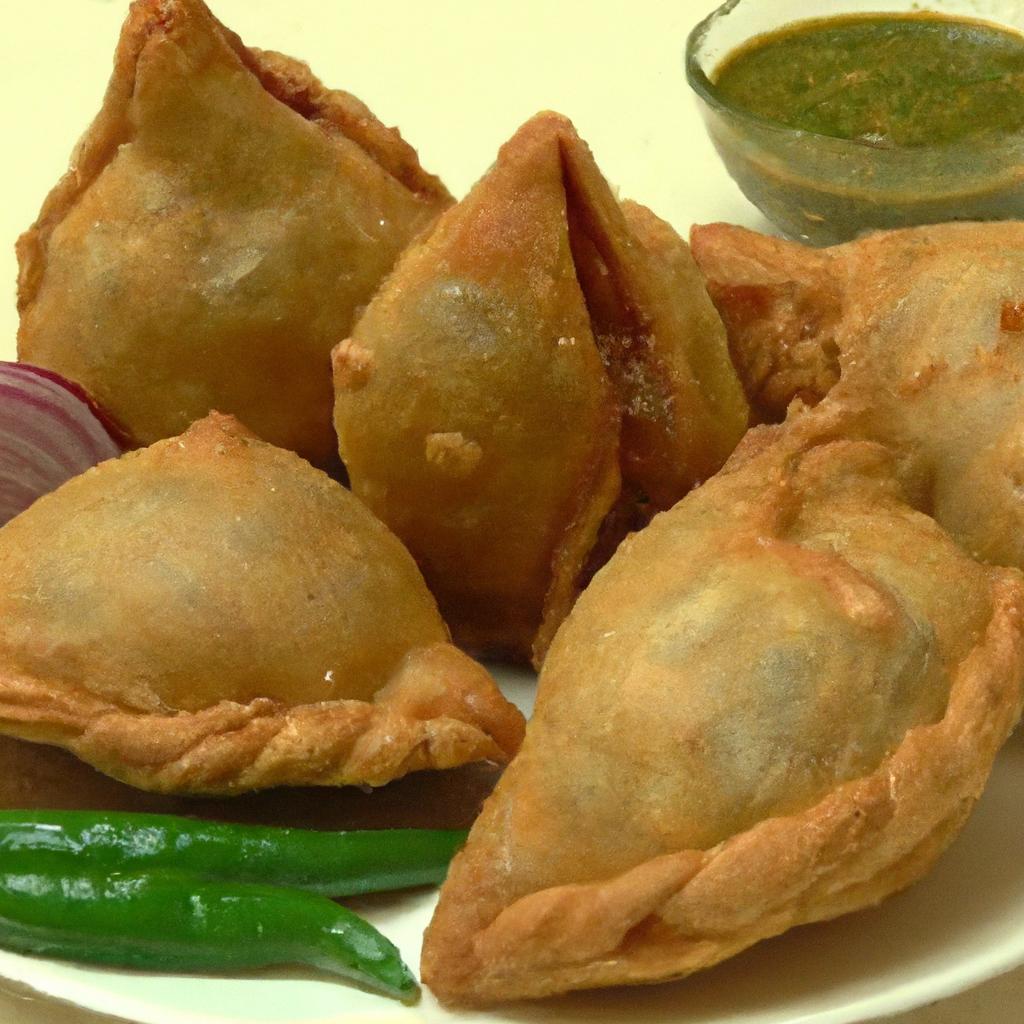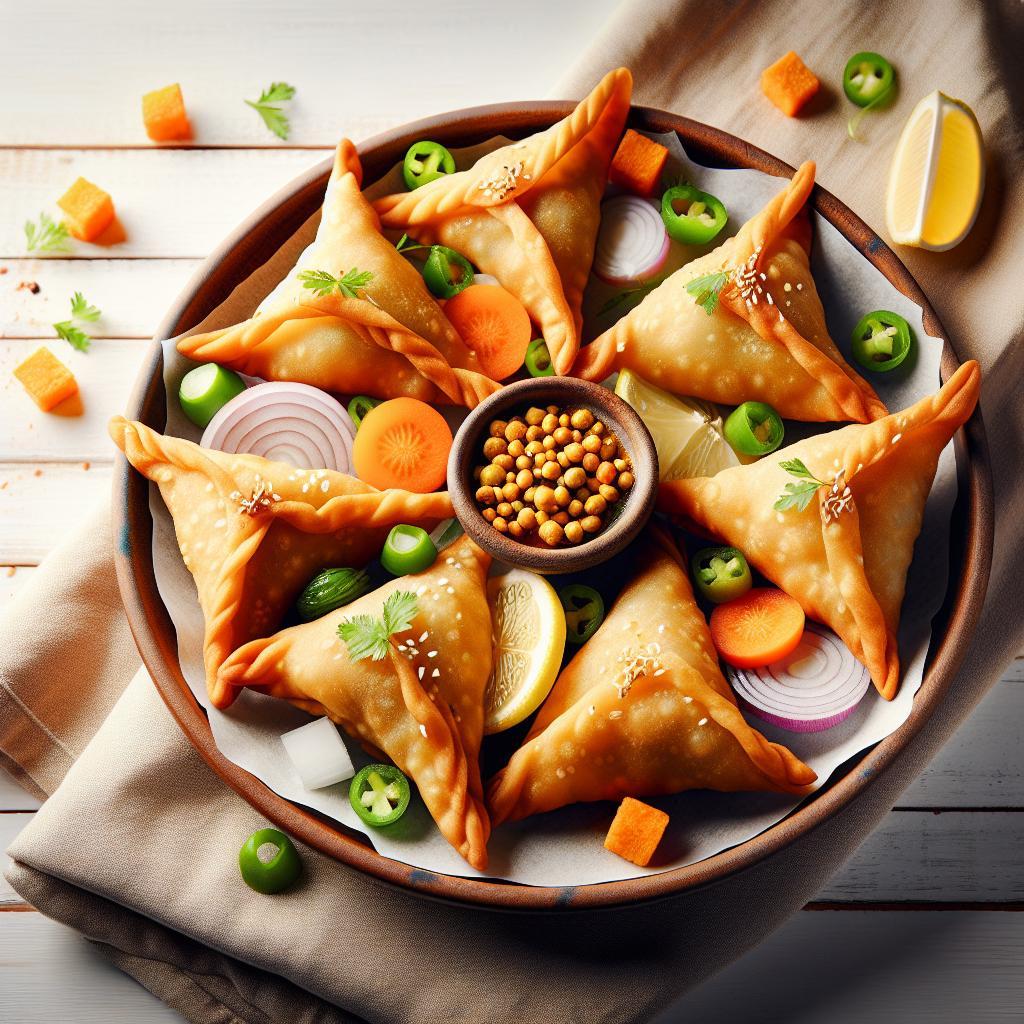

There’s something irresistibly magical about biting into a perfectly crisp samosa-its golden, flaky crust giving way to a warm, savory treasure inside. For food lovers and curious cooks alike, the Punjabi samosa is more than just a snack; it’s a rich cultural experience wrapped in a delicately spiced pastry. In this guide, we dive deep into the art and tradition behind the authentic Punjabi samosa, sharing time-honored tips and secrets to help you recreate this beloved delicacy in your own kitchen. Whether you crave the nostalgic flavors of your childhood or wish to impress guests with an authentic taste of Punjab, this recipe will lead you on a savory journey to samosa perfection.
Crafting the Ultimate Punjabi Samosa Experience: From Crispy Dough to Bold Filling and Golden Fry
Crisp & Savory Punjabi samosa is an irresistible emblem of North Indian street food, blending a delectably crisp shell with a warmly spiced, hearty filling. Rooted in Punjab’s vibrant culinary heritage, these samosas offer a perfect balance of textures and flavors that conjure feelings of comfort and celebration. Growing up watching my grandmother fold these golden pockets of delight, I learned that mastering each element-the dough, the filling, and the frying technique-is key to unlocking their authentic charm.
Prep and Cook Time
- Preparation: 30 minutes
- Cooking: 25 minutes
- Total Time: 55 minutes
Yield
Approximately 20 medium-sized samosas (serves 6)
Difficulty Level
Medium – Perfect for adventurous home cooks ready to engage in authentic Indian cooking techniques.
Ingredients
- For the Dough:
- 2 cups all-purpose flour, sifted
- 4 tbsp oil or ghee, for richness and crispiness
- 1 tsp salt
- Water as needed (about ½ cup), lukewarm
- For the Traditional Punjabi Filling:
- 3 medium potatoes, boiled, peeled, and mashed
- 1 cup green peas, boiled
- 2 tbsp oil
- 1 tsp cumin seeds
- 1 tsp mustard seeds
- 1-2 green chilies, finely chopped
- 1 tbsp grated ginger
- 1 tsp amchur (dry mango powder) or lemon juice
- 1 tsp garam masala
- ½ tsp turmeric powder
- 1 tsp coriander powder
- Salt to taste
- Fresh coriander leaves, chopped (optional)
- For Frying:
- Vegetable oil or peanut oil, enough for deep frying
Instructions
- Prepare the Dough: In a large mixing bowl, combine the sifted all-purpose flour and salt. Gradually add the oil or ghee and rub it into the flour with your fingertips until the mixture resembles coarse crumbs. Slowly add lukewarm water, a few tablespoons at a time, kneading continuously until you get a firm, smooth dough. Cover and set aside for at least 20 minutes to rest.
- Make the Punjabi Filling: Heat oil in a pan over medium heat. Add cumin and mustard seeds; when they start to pop, stir in the green chilies and ginger. Sauté for 30 seconds until aromatic. Add turmeric, coriander powder, and garam masala, cooking for another 20 seconds. Then fold in the mashed potatoes and boiled peas. Mix well and cook for 5 minutes to let the flavors meld, stirring occasionally. Stir in amchur or lemon juice, salt, and fresh coriander if using. Set aside to cool completely.
- Roll and Shape the Dough: Divide the rested dough into golf-ball-sized portions. On a lightly floured surface, roll each portion into a thin oval or circle around 6-7 inches in diameter. Cut each piece in half through the center to create two semi-circles.
- Fill and Seal: Take one semi-circle, apply water along the straight edge as glue. Fold it into a cone, pressing edges to seal. Fill the cone generously with the potato filling. Use water again on the open edges and firmly pinch to seal completely, ensuring there are no gaps for oil to enter during frying.
- Heat Oil and Fry to Golden Perfection: Pour vegetable oil into a deep, heavy-bottomed pan. Heat to medium-high (about 350°F/175°C). Test by dropping a small dough piece; it should sizzle and rise immediately. Carefully slide samosas in batches, frying until the exterior is a deep golden brown and crisp, around 4-5 minutes per batch. Turn occasionally for even frying. Drain on paper towels.
Chef’s Notes: Tips for Success
- Resting the dough is essential for elasticity and crispness, so don’t skip this step.
- Ensure the filling is completely cooled before stuffing to avoid dough tearing.
- If you prefer a healthier version, samosas can be baked at 400°F (200°C) for 25-30 minutes, brushing them with oil for crispiness.
- Experiment with fillings by adding roasted nuts, paneer cubes, or even tangy tamarind chutney inside for a flavor twist without losing the classic essence.
- Use fresh, finely chopped coriander for a burst of vibrancy in every bite.
Serving Suggestions
Serve your samosas piping hot with traditional accompaniments like mint coriander chutney and sweet tamarind sauce. Garnish with a sprinkle of chaat masala and finely sliced onions for an authentic street-food flair. Pair with a cup of masala chai for a soul-satisfying snack experience, or enjoy them alongside a festive thali for a balanced meal.
| Nutrient | Per Samosa (approx.) |
|---|---|
| Calories | 180 kcal |
| Protein | 4 g |
| Carbohydrates | 22 g |
| Fat | 8 g |

For an extended glimpse into the world of Indian street snacks and their vibrant origins, explore this well-researched Britannica article.
Q&A
Q&A: Crisp & Savory – The Authentic Punjabi Samosa Recipe Guide
Q1: What makes Punjabi samosas different from other samosas?
A: Punjabi samosas stand out because of their perfectly crisp, golden exterior paired with a deeply spiced, hearty potato and pea filling. Unlike some other regional varieties that might be softer or sweeter, Punjabi samosas boast robust flavors with a kick of green chilies, tangy amchur, and a signature blend of aromatic spices that dance on your palate.
Q2: What ingredients are essential for an authentic Punjabi samosa?
A: The secret starts with simple, quality ingredients: all-purpose flour for the dough, seasoned with a pinch of salt and a little oil or ghee for flakiness. The filling is a soul-soothing mix of boiled potatoes, green peas, fresh green chilies, amchur (dry mango powder), garam masala, cumin seeds, and sometimes ginger and coriander. Fresh coriander leaves and a sprinkle of chat masala before serving add the final magic touch.
Q3: How do you achieve that perfect crunchy texture on the samosa shell?
A: The crunch comes from a well-kneaded dough that’s not too soft and rests properly before rolling. Using hot oil or ghee during frying is key – it instantly seals the samosa shell, creating a crispy crust that stays crunchy even after cooling. Fry them on medium heat for an even golden brown, not rushed over high heat to avoid greasy, soggy samosas.
Q4: Can the filling be made ahead of time?
A: Absolutely! The spiced potato and pea mixture actually tastes better after the flavors have melded for a few hours or overnight in the refrigerator. This makes assembling the samosas quicker and allows the spices to soak in, enhancing the overall taste.
Q5: Are Punjabi samosas traditionally served with anything special?
A: Yes! They’re classically enjoyed with tangy green chutney made from fresh cilantro, mint, and lime, or sweet tamarind chutney that offers a perfect sweet-sour contrast. Sometimes, a sprinkle of chaat masala right before eating elevates the flavors to an irresistible level. Paired with a hot cup of chai, Punjabi samosas become a cherished teatime ritual.
Q6: Any tips for someone making Punjabi samosas for the first time?
A: Start with small batches and don’t rush the rolling and sealing process-it might seem tricky, but practice makes perfect. Keep the dough firm yet pliable and avoid over-stuffing. Also, patience while frying-medium heat is your friend for evenly cooked, golden, satisfying samosas. Finally, savor the process and the aromas-it’s part of the joy!
For anyone craving a flavorful bite of Punjab’s culinary heritage, mastering this crisp and savory samosa recipe is a delicious journey into tradition and taste. Enjoy every crunchy, spiced morsel!
In Conclusion
As the aroma of freshly fried samosas fills your kitchen and the golden, crispy pockets reveal their savory secrets, you step into a culinary tradition that’s as rich and layered as Punjab itself. This authentic Punjabi samosa recipe is more than just a guide-it’s an invitation to savor history, culture, and flavor in every bite. Whether you’re sharing them at a festive gathering or enjoying a quiet moment with chai, these samosas promise to delight and inspire. So go ahead, roll up your sleeves, embrace the sizzle, and let each crisp, savory morsel transport you straight to the heart of Punjab. Your perfect snack adventure awaits!