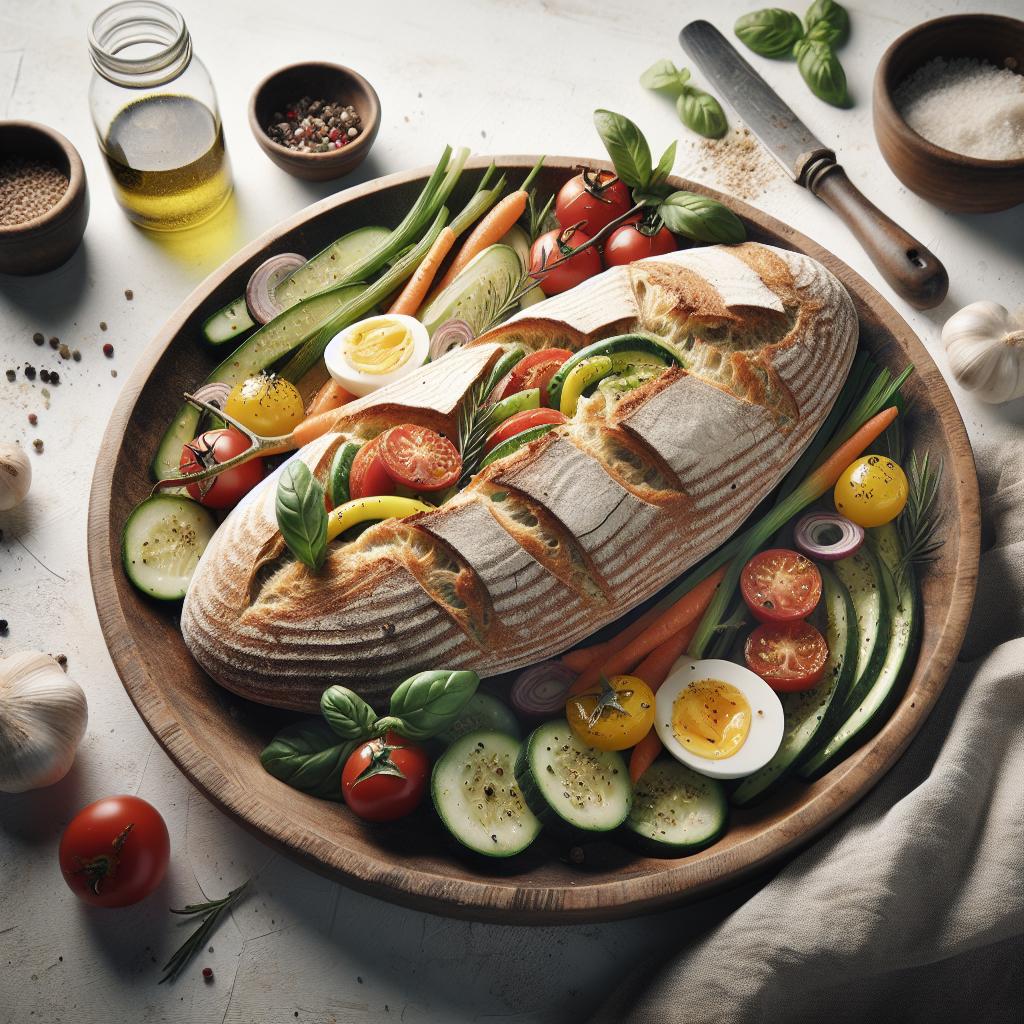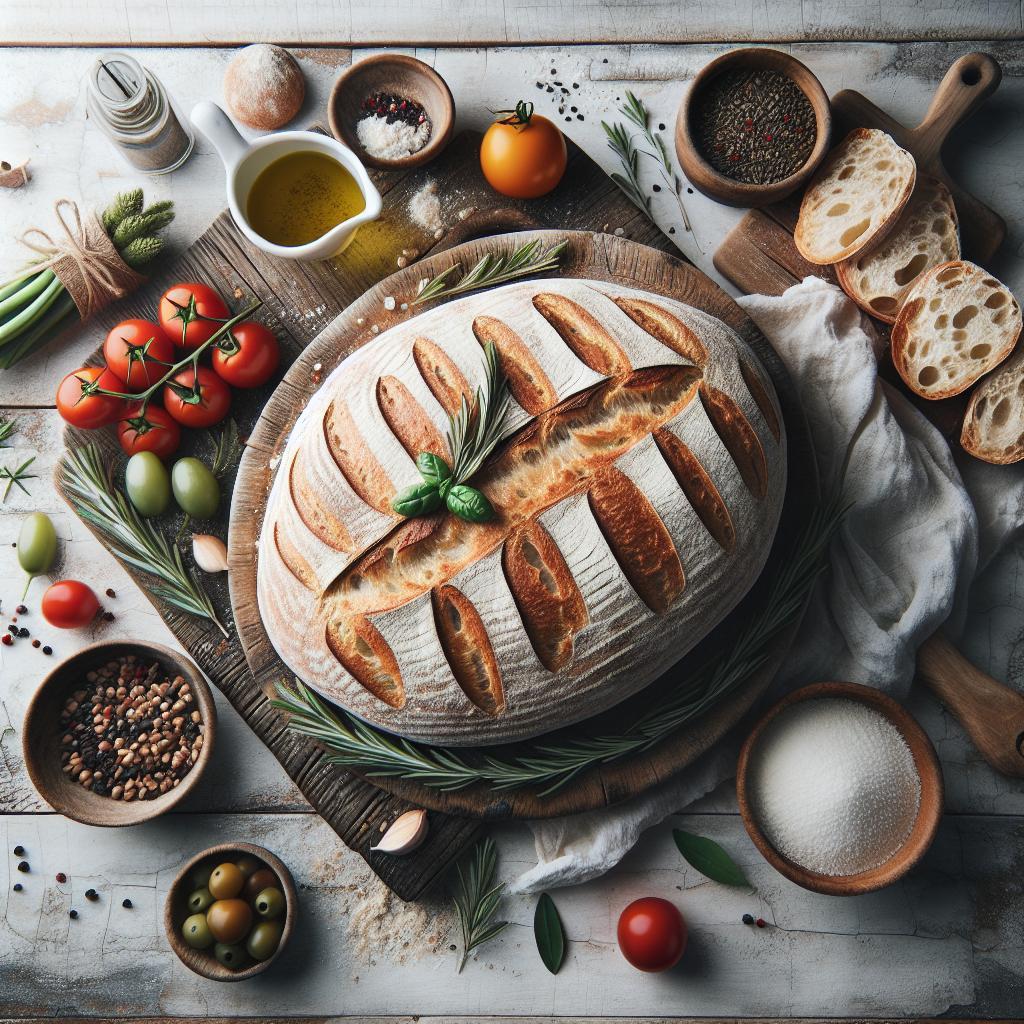

In the world of bread, few loaves evoke the rustic charm and comforting aroma quite like traditional ciabatta. With its golden, crusty exterior and airy, tender crumb, ciabatta is a culinary masterpiece that carries the essence of Italian heritage in every bite. But beyond its captivating texture and flavor lies a rich story-one that traces back to humble beginnings in the sun-soaked regions of Italy, where time-honored techniques and simple ingredients converge to create this iconic bread. Join us as we unveil the crusty heritage of traditional ciabatta, exploring its origins, craftsmanship, and enduring place in the hearts and kitchens of bread lovers worldwide.
Crusty Heritage: Unveiling Traditional Ciabatta Bread
Crusty Heritage offers a delicious window into the rich tapestry of Italian baking through the beloved ciabatta bread. Originating in the northern regions of Italy in the early 1980s, this bread was developed as a response to French baguettes, promising a uniquely Italian expression of artisanal craftsmanship. The beauty of ciabatta lies in its paradoxical texture-an irresistible crusty exterior embracing a soft, tender, hole-filled crumb inside that captures olive oil, dips, and sauces in every bite.
This journey not only honors tradition but invites you to master the authentic techniques that breathe life into every loaf. Whether you’re an experienced baker or a curious novice, unlocking the secrets of ciabatta will elevate your culinary skill and deepen your appreciation for Italy’s crusty heritage.
Prep and Cook Time
- Preparation: 20 minutes (plus overnight fermentation)
- Proofing: 3 hours
- Baking: 25 minutes
- Total Time: Approximately 4 hours 45 minutes
Yield
2 medium-sized ciabatta loaves (serves 6-8)
Difficulty Level
Intermediate – requires patience for fermentation and gentle handling of dough
Ingredients
- 500g (about 4 cups) bread flour, sifted
- 450ml (1 7/8 cups) lukewarm water (around 80°F/27°C)
- 10g (2 tsp) fine sea salt
- 5g (1 tsp) active dry yeast
- 15ml (1 tbsp) extra-virgin olive oil, plus extra for brushing
The Essence of Crust: Step-by-Step Instructions
- Activate the yeast: Dissolve the active dry yeast in lukewarm water and let it sit for 5-10 minutes until foamy, signaling the yeast is alive and ready.
- Mix the dough: In a large bowl, whisk together the sifted bread flour and sea salt. Slowly add the yeast mixture and olive oil, stirring with a wooden spoon until a shaggy, sticky dough forms.
- Knead gently: Flour your work surface lightly and knead the dough for 7-10 minutes. The dough will be wet and sticky-that’s essential for the open crumb texture. Use a bench scraper to lift and fold instead of pushing aggressively.
- First rise: Place the dough in a lightly oiled bowl, cover with a damp cloth or plastic wrap, and let it ferment at room temperature for 2 hours, until doubled in size.
- Stretch and fold: Perform a gentle stretch and fold by pulling one side of the dough and folding it over the rest, rotating the bowl and repeating this 4 times. This strengthens the gluten without degassing. Let rest for 1 hour.
- Shape the loaves: Flour your surface generously. With a bench scraper, divide the dough in half. Carefully shape each portion into a slipper-like rectangle (“ciabatta” means slipper). Handle delicately to preserve bubbles.
- Second rise: Transfer the loaves to parchment-lined baking sheets, cover again, and allow to rise for 30-45 minutes, until puffy but not doubled.
- Preheat oven and bake: Preheat to 475°F (245°C) with a baking stone or heavy sheet on the middle rack and a shallow pan on the bottom for steam. Just before sliding loaves in, pour 1 cup of hot water into the pan to create steam. Bake for 20-25 minutes, rotating halfway, until golden and crusty.
- Cooling: Remove from the oven, brush lightly with olive oil for a glossy crust, and cool on a wire rack completely before slicing.
Chef’s Notes for the Perfect Crusty Heritage Ciabatta
- Ensure your flour is fresh and preferably high-protein bread flour for optimal gluten development and chewaterss.
- High hydration is key: a wetter dough gives open crumb but can be challenging-use an autolyse step if preferred (mix flour and water first, rest 30 minutes before adding yeast and salt).
- Patience counts. Slow fermentation enhances flavor and texture. For deeper flavor, ferment in the refrigerator overnight, then bring to room temperature before shaping.
- If your kitchen is cold, consider proofing in a warm spot like an oven with just the light on.
- Use a razor blade or sharp bread lame to score the dough lightly before baking-this promotes controlled expansion rather than random tearing.
- Don’t skip the steam-this prevents the crust from hardening too quickly, allowing better oven spring and that iconic crisp finish.
Serving Suggestions: Elevate Every Bite
Ciabatta’s versatility shines best fresh. Slice thick and serve with robust olive oil for dipping or use as a base for bruschetta topped with ripe tomatoes, fresh basil, and creamy mozzarella. Pair it with Tuscan beans or as a side to hearty vegetable stews to soak up luscious sauces. For an elegant touch, sprinkle flaky sea salt and fresh rosemary over warmed slices or lightly grill for a smoky crunch. A spread of whipped ricotta or sun-dried tomato pesto amplifies the fresh, rustic charm of this iconic bread.
| Nutritional Info (per serving) | Calories | Protein | Carbohydrates | Fat |
|---|---|---|---|---|
| 1 ciabatta slice (about 70g) | 180 | 6g | 36g | 2.5g |
For further inspiration on Italian breads, explore our Traditional Focaccia Bread. To understand the science behind fermentation and gluten development, visit the informative guide from King Arthur Baking Company.

Q&A
Q&A: Crusty Heritage – Unveiling Traditional Ciabatta Bread
Q1: What makes ciabatta bread stand out among other Italian breads?
A1: Ciabatta is famed for its rustic appearance, with a crisp, crackly crust and an airy, open crumb inside. What truly sets it apart is its unique dough, which is wetter and stickier than most traditional bread doughs. This hydration creates those beautiful holes and soft interior textures that are signature to ciabatta.
Q2: How did ciabatta get its name?
A2: The name “ciabatta” means “slipper” in Italian, inspired by the bread’s shape, which is long, flat, and somewhat resembles a cozy slipper. It’s a playful nod to the bread’s casual charm and comfort factor.
Q3: What is the historical significance of ciabatta bread?
A3: Unlike many ancient Italian breads, ciabatta is a relatively modern invention, created in 1982 by a baker named Arnaldo Cavallari in the Veneto region. It was developed as an Italian answer to French baguettes-meant to be a light, crusty sandwich bread that could stand up to hearty fillings without overshadowing them.
Q4: What are the key ingredients in traditional ciabatta bread?
A4: Traditional ciabatta is made with simple, honest ingredients: flour, water, salt, yeast, and often a touch of olive oil. The magic lies not in exotic additives, but in the dough’s handling-high hydration and gentle mixing let the bread develop its distinctive texture.
Q5: Why is ciabatta dough described as “wet” or “sticky,” and how does this affect baking?
A5: The dough’s high water content (sometimes over 70%) makes it more fluid and sticky than regular bread dough. This requires skillful handling, usually with wet hands or gentle folding, to preserve the delicate air bubbles inside. When baked, these bubbles expand, giving ciabatta its signature open crumb and lightness.
Q6: Can ciabatta be made at home without professional baking equipment?
A6: Absolutely! While ciabatta is traditionally baked on stone or in very hot ovens, home bakers can achieve great results with a baking stone or even a preheated heavy pan. The key is patience with the dough’s hydration and careful shaping. Embracing the dough’s sticky nature is part of the fun and art of baking ciabatta.
Q7: How is traditional ciabatta typically enjoyed in Italian cuisine?
A7: Ciabatta shines as a sandwich bread thanks to its sturdy crust and soft inside. It’s often split and filled with fresh vegetables, cheeses like mozzarella or provolone, and flavorful spreads like olive tapenade or fresh pesto. It’s also perfect for dipping in olive oil infused with herbs or used to mop up rich sauces.
Q8: What role does olive oil play in ciabatta bread recipes?
A8: Olive oil adds a subtle richness to ciabatta, enhancing its flavor and contributing to a tender crumb while helping to form the crisp crust. It also extends freshness, keeping the bread moist for longer after baking.
Q9: How does ciabatta reflect the values of Italian baking traditions?
A9: Ciabatta embodies simplicity, quality ingredients, and the joy of artisanal craft-the heart of Italian baking. It respects the natural fermentation process and showcases how technique and patience transform humble flour and water into something extraordinary.
Q10: Are there regional variations of ciabatta across Italy?
A10: While ciabatta originated in Veneto, its popularity has spread all over Italy and abroad, with slight regional twists. Some versions may incorporate different types of flour, or be slightly denser or airier depending on local preferences. Yet, the essence of a crusty, slipper-shaped loaf remains beloved everywhere.
In Retrospect
As the aroma of freshly baked ciabatta wafts through the air, it carries with it centuries of tradition and craft-an edible bridge connecting past and present. This humble bread, with its crusty exterior and airy crumb, is more than just a staple; it’s a story kneaded by generations, a testament to the enduring art of Italian baking. By savoring each bite, we not only enjoy its rustic flavor but also honor the heritage that shaped it. In unfolding the layers of ciabatta’s history, we discover a timeless symbol of cultural pride and culinary passion-proof that sometimes, the simplest loaves hold the richest tales.