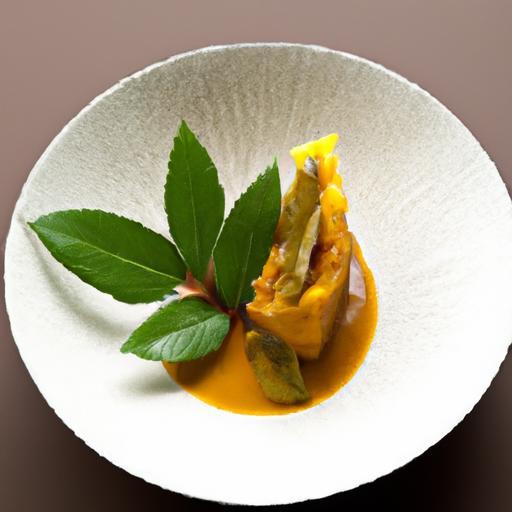

In the vibrant mosaic of global cuisine, few ingredients hold the quiet yet captivating power of curry leaves. These unassuming green jewels, often overlooked in the grand theater of spices, carry a legacy that stretches from ancient herbal traditions to modern culinary masterpieces. “Curry Leaves Unveiled: Flavor Secrets from Leaf to Palate” invites you on a sensory journey into the heart of this aromatic leaf-exploring its botanical origins, its transformative role in flavor crafting, and the subtle alchemy that turns a simple dish into a symphony of taste. Join us as we peel back the layers of flavor and culture, revealing the secrets that curry leaves hold from tree to table.
Curry Leaves Unveiled: Flavor Secrets from Leaf to Palate
Curry leaves unveiled unlock a fragrant world that infuses traditional and contemporary cuisine with its signature aroma and vibrant taste. From the moment these glossy, emerald leaves are hand-harvested under the warm sun to the sizzling pan where their oils bloom, every step reveals a captivating story of flavor and culture. Their distinct bittersweet warmth, elevated by complex aromatic compounds, transforms simple ingredients into unforgettable dishes. Join me as we explore their journey and master the culinary art of incorporating curry leaves to inspire your palate with rich, layered depth.
Prep and Cook Time
- Preparation: 10 minutes
- Cooking: 15 minutes
- Total Time: 25 minutes
Yield
Serves 4 generously.
Difficulty Level
Easy to Medium – perfect for home cooks eager to deepen their spice repertoire.
Ingredients
- 10-15 fresh curry leaves, washed and dried gently
- 1 tbsp coconut oil or vegetable oil
- 1 tsp mustard seeds
- 1 dried red chili, broken
- 1 cup diced potatoes, parboiled
- 1/2 cup chopped onions
- 1/2 tsp turmeric powder
- 1/2 tsp cumin seeds
- 2 cloves garlic, minced
- Salt to taste
- Fresh coriander leaves for garnish
Instructions
- Heat the oil in a heavy-bottom pan over medium heat until shimmering. Add mustard seeds and wait for them to pop; this unlocks their nutty flavor.
- Immediately add the dried red chili and cumin seeds, stirring for 20 seconds to toast their aromas without burning.
- Add the fresh curry leaves and sauté gently. Watch as they crisp slightly and release a deep, herbal fragrance-a sign that their essential oils are infusing the dish.
- Stir in the minced garlic and chopped onions, cooking until golden and translucent, about 5 minutes, stirring occasionally to prevent sticking.
- Add the diced parboiled potatoes and season with turmeric powder and salt. Sauté everything together for another 7 minutes. This allows the curry leaves’ flavor to penetrate the potatoes beautifully.
- Remove from heat and garnish with freshly chopped coriander leaves for a burst of color and fresh notes.
Tips for Success: Mastering the Art of Using Curry Leaves
- Fresh vs. dried: Fresh curry leaves bring a bright, citrusy-green aroma, while dried leaves provide an earthier, more subdued flavor. When using dried, crumble gently to release aroma, and add them earlier in cooking to hydrate and bloom their oils.
- Selecting leaves: Choose vibrant, dark green leaves without signs of wilting or yellowing. Younger leaves near the tip are more fragrant and tender.
- Storage: Wrap fresh curry leaves in a damp paper towel inside an airtight container, refrigerating for up to 2 weeks. For longer storage, freeze leaves flat on a tray, then transfer to freezer bags.
- Culinary tip: Always sauté curry leaves at the start in hot oil to unlock their flavor completely. Adding them late or raw will mute their aromatic impact.
Serving Suggestions
Serve this curry-leaf infused potato stir-fry alongside fluffy basmati rice or warm Indian breads like chapati and paratha. Elevate it further by pairing with cooling raita or a tangy tamarind chutney. Garnish with a sprig of coriander or a wedge of lime to intensify the fresh, herbal notes awakened by the curry leaves.

| Nutrient | Amount per Serving |
|---|---|
| Calories | 145 kcal |
| Protein | 3 g |
| Carbohydrates | 25 g |
| Fat | 5 g |
For a deeper dive into spice pairings and Indian culinary traditions, explore our Indian Spice Guide. Curious about the science behind aromatic compounds in herbs? Visit ScienceDirect’s study on aromatic compounds to learn more.
Q&A
Q&A: Curry Leaves Unveiled: Flavor Secrets from Leaf to Palate
Q1: What makes curry leaves so special in cooking?
A1: Curry leaves are nature’s tiny flavor bombs, rich in essential oils and aromatic compounds. They bring a unique, slightly citrusy and nutty essence that transforms simple dishes into sensory experiences. Unlike more common herbs, their taste unfolds gradually, layering depth and complexity in every bite.
Q2: Are curry leaves just for Indian cuisine?
A2: While curry leaves are synonymous with Indian cooking, especially South Indian dishes, their magic extends beyond borders. They have quietly crept into Southeast Asian, Sri Lankan, and even some Caribbean kitchens. Their versatility means they can enhance soups, stews, sauces, and even certain salads worldwide.
Q3: How do curry leaves deliver their flavor from leaf to palate?
A3: The secret lies in their essential oils, housed in tiny glands beneath the leaf surface. When fried in hot oil or tempered, these oils release a burst of aroma, infusing the entire dish. This technique, called “tadka” or “tempering,” is key to unlocking the flavor journey from leaf to palate.
Q4: Can fresh and dried curry leaves be used interchangeably?
A4: Fresh curry leaves offer a vibrant, more intense flavor, while dried leaves are subtler and sometimes slightly bitter. Using fresh leaves is ideal, but if unavailable, dried can work-best added early in cooking to coax out their flavors. Some cooks even crush dried leaves to release more aroma.
Q5: Are there health benefits hidden in curry leaves?
A5: Absolutely! Beyond taste, curry leaves are packed with antioxidants, vitamins, and minerals. Traditionally, they’re revered for aiding digestion, reducing inflammation, and supporting hair health. Their healthful qualities make them a flavorful friend in both culinary and wellness realms.
Q6: How should one store curry leaves to preserve their essence?
A6: To keep curry leaves fresh and fragrant, store them in an airtight container in the refrigerator, wrapped in a damp paper towel. For longer storage, freezing works well-spread leaves on a tray to freeze individually before bagging. Avoid washing them until just before use to prevent premature spoilage.
Q7: What cooking techniques best showcase curry leaves?
A7: The classic “tadka” technique-sautéing curry leaves in hot oil with mustard seeds, garlic, or chili-unleashes their full aroma. They can also be ground into chutneys, added to rice dishes, or infused in soups. However you use them, gentle heat and oil are key partners to their flavor story.
Q8: Can beginners experiment with curry leaves without fear?
A8: Definitely! Curry leaves are forgiving and delightful. Start by tossing a handful into your next stir-fry or lentil dish. Their subtle magic elevates meals without overpowering. With a little practice, they’ll soon become a pantry staple and a secret weapon in your flavor arsenal.
Discovering curry leaves isn’t just about adding an herb; it’s an invitation to explore a layered world of aroma and taste-from the lush green leaf to the sizzling pan, all the way to your eager palate.
Concluding Remarks
As the last leaf falls softly onto your plate, the journey of the humble curry leaf-from its vibrant green beginnings to the burst of flavor it imparts-unfolds in every fragrant bite. Understanding its subtle magic not only elevates your culinary creations but also connects you to a rich tapestry of tradition and taste. So next time you reach for those glossy leaves, remember: you’re not just adding an herb, you’re weaving a story of flavor that dances from leaf to palate, inviting your senses to savor the secret heritage of the kitchen.