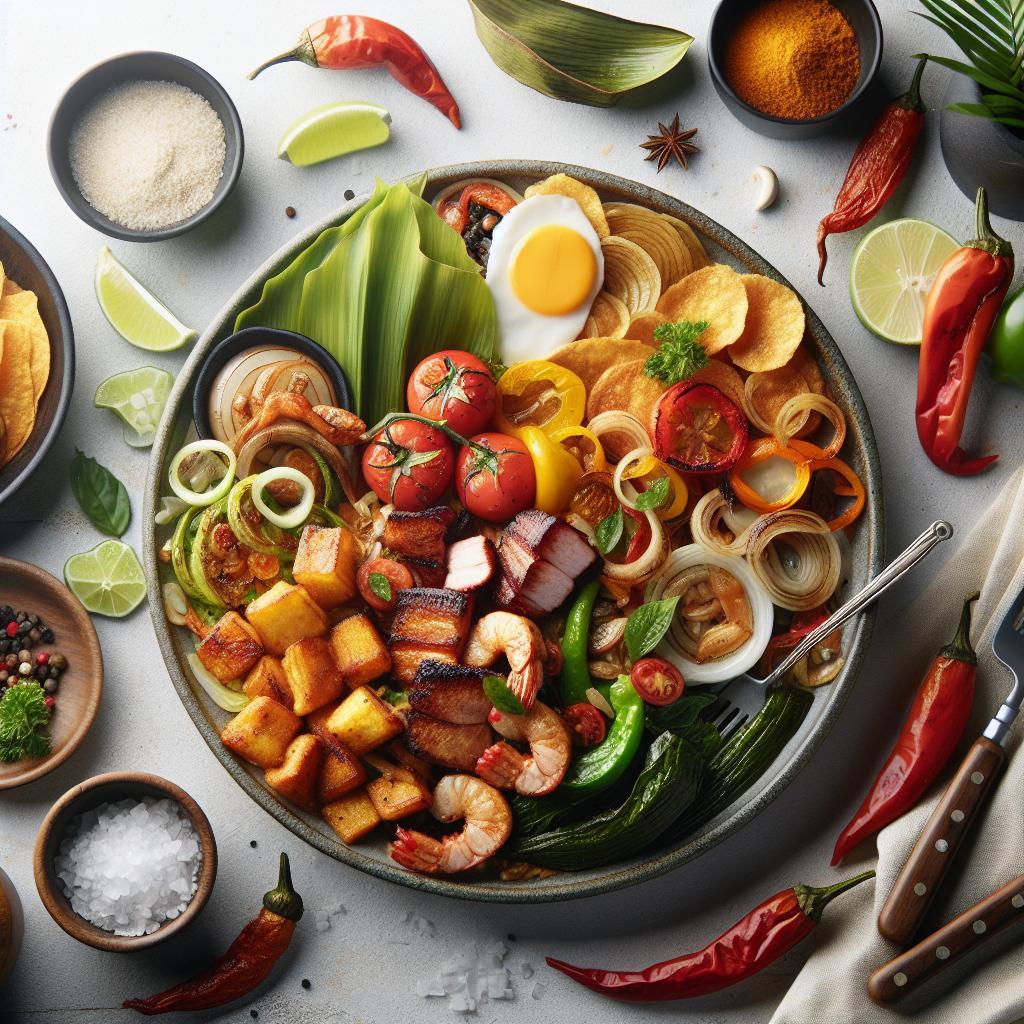

Hidden beneath the lush canopies of tropical landscapes lies a humble yet extraordinary gem-Dasheen taro root. Often overlooked in the bustling world of superfoods and exotic ingredients, this starchy tuber has quietly nourished communities for centuries, earning its rightful place as nature’s tropical treasure. From its ancient cultivation to its diverse culinary uses, the story of Dasheen taro is a rich tapestry of culture, nutrition, and resilience. Join us as we peel back the layers of this underground marvel to unveil the many secrets of Dasheen taro root-a vibrant, versatile root with a heritage as deep as the earth it grows in.
Dasheen Taro Root: A Flavorful Ode to Tropical Tradition
Dasheen taro root, an ancient tropical starch central to many cultures, offers a unique culinary experience steeped in heritage and vibrant flavors. With its earthy, subtly nutty taste and creamy texture when cooked, this root vegetable transforms simple meals into nourishing feasts. For years, I’ve savored the comforting warmth of dasheen preparations, marveling at how such a humble tuber lends itself so wonderfully to both tradition and innovation in kitchens worldwide.
Prep and Cook Time
- Preparation: 15 minutes
- Cooking: 40 minutes
- Total time: 55 minutes
Yield
Serves 4 hearty portions
Difficulty Level
Medium – requires peeling and careful cooking but approachable with clear steps
Ingredients
- 2 pounds dasheen taro root, peeled and cut into 1-inch cubes
- 3 tablespoons coconut oil or unsalted butter
- 1 medium onion, finely chopped
- 3 cloves garlic, minced
- 1 cup coconut milk, full-fat
- 1 teaspoon ground cumin
- 1 teaspoon smoked paprika
- 1/2 teaspoon freshly ground black pepper
- Salt to taste
- Fresh cilantro, finely chopped for garnish
- 1 tablespoon lime juice (optional, for brightness)
Instructions
- Prepare the dasheen taro root: Rinse thoroughly and peel using a vegetable peeler or paring knife. Cut into uniform 1-inch cubes to ensure even cooking.
- Boil until tender: Place taro cubes in a large pot, cover with water, and add a pinch of salt. Bring to a boil and simmer for 15-20 minutes until easily pierced with a fork. Drain and set aside.
- Sauté aromatics: In a deep skillet or saucepan, heat coconut oil over medium heat. Add onions and cook until translucent, about 5 minutes. Stir in garlic, cumin, and smoked paprika for 1-2 minutes until fragrant, stirring constantly to avoid burning.
- Incorporate taro: Add drained taro cubes into the skillet. Gently stir to coat with the spiced onion mixture.
- Add coconut milk: Pour in the coconut milk steadily while stirring. Reduce heat to low and simmer for 10-15 minutes to meld flavors and thicken the sauce, stirring occasionally to prevent sticking.
- Season and finish: Season with salt and black pepper to taste. Optional: Stir in lime juice for a vibrant touch. Remove from heat.
- Garnish and serve: Transfer to a serving bowl, sprinkle generously with fresh cilantro, and enjoy warm as a side or main dish.
Chef’s Notes & Tips for Success
- When peeling dasheen taro root, protect your hands with gloves as the raw tuber can cause mild irritation.
- To deepen flavor, roast peeled dasheen cubes at 400°F (200°C) for 20 minutes before simmering for a smoky nuance.
- For a creamier texture, mash the cooked dasheen lightly before adding coconut milk and spices.
- Substitute coconut milk with almond or cashew milk for a lighter variation, though traditional coconut milk enhances authenticity.
- This dish pairs beautifully with grilled fish or roasted vegetables, elevating any tropical-inspired meal.
- Make-ahead tip: Prepare the sautéed mixture and cooked taro separately, combining and warming through just before serving.
Serving Suggestions
Serve this sumptuous dasheen taro root dish in rustic bowls, littered with a splash of vibrant green cilantro and a wedge of fresh lime on the side to brighten the earthy richness. Complement with warm flatbreads or fragrant jasmine rice to soak up the luscious coconut sauce. For a festive presentation, add thinly sliced red chili for heat or toasted coconut flakes for texture contrast-bringing your tropical treasure to life on every plate.

| Nutrient | Amount per serving |
|---|---|
| Calories | 220 kcal |
| Protein | 3 g |
| Carbohydrates | 40 g |
| Fat | 6 g |
Discover more tropical root vegetable recipes to complement this dish at our tropical root vegetable cooking guide. Learn about the intricate cultural stories and sustainable grades of dasheen farming in depth on the FAO’s official taro crop page to deepen your culinary journey with nature’s starchy tropical treasure.
Q&A
Q&A: Dasheen Taro Root – Nature’s Starchy Tropical Treasure Unveiled
Q1: What exactly is Dasheen Taro Root?
A1: Dasheen Taro Root, often simply called taro, is a tropical tuber revered for its starchy flesh and ancient culinary heritage. Picture a knobby, brownish tuber with a purple-tinged interior-this humble root is nature’s underground treasure, nourishing cultures across the globe for thousands of years.
Q2: Where does Dasheen Taro Root grow?
A2: Dasheen Taro thrives in warm, humid tropical climates-from the lush rainforests of Southeast Asia to the vibrant islands of the Pacific, the Caribbean, and parts of Africa. It grows best in damp, marshy soils, often paddies or well-irrigated fields, flourishing where water meets earth.
Q3: Why is it called “Dasheen”?
A3: The term “Dasheen” comes from the Caribbean and parts of the Americas, distinguishing this particular variety of taro (Colocasia esculenta) from others. While taro is the global name, “Dasheen” has become synonymous with the starchy, edible root beloved in Caribbean cuisine.
Q4: What makes Dasheen Taro Root nutritionally special?
A4: Nutritionally, Dasheen is a powerhouse wrapped in a starchy package. It’s rich in complex carbohydrates, offering a slow-release energy boost. It also provides dietary fiber, essential vitamins like B6 and C, and minerals such as potassium, magnesium, and iron-fueling the body while supporting heart and digestive health.
Q5: How is Dasheen Taro Root prepared in the kitchen?
A5: Versatility is the root’s middle name! Before eating, Dasheen must be cooked thoroughly-boiled, steamed, or roasted-to break down natural toxins. From creamy poi in Hawaiian cuisine to rich Caribbean callaloo, taro can be mashed, fried, baked, or even used to thicken stews. Its nutty, slightly sweet flavor pairs beautifully with spices, coconut milk, and savory herbs.
Q6: Are there any cultural or historical significances tied to Dasheen Taro?
A6: Absolutely! Dasheen is not just a food but a cultural icon. In Polynesian myths, taro is the original staple, symbolizing life and sustenance. In the Caribbean, its cultivation traces back to indigenous and African heritage, carrying generations of tradition. This root tells stories of migration, survival, and connection to the earth.
Q7: Can Dasheen Taro Root be grown at home?
A7: Yes, with the right conditions! If you’re an enthusiastic gardener in a warm, humid environment, Dasheen taro can be cultivated in your backyard or even a large container, so long as the soil stays moist and rich. It requires patience-8 to 12 months of growth before harvest-but the reward is a literal treasure dug straight from your own soil.
Q8: What should one beware of when handling or eating Dasheen Taro Root?
A8: Raw Dasheen contains calcium oxalate crystals that can cause irritation or a burning sensation in the mouth and throat. Cooking neutralizes these compounds, so never eat it raw. Also, handling with gloves can prevent skin itching for sensitive individuals.
Q9: How does Dasheen Taro compare to other starchy roots like potatoes or yams?
A9: While all starchy roots fill our bellies, Dasheen offers a unique texture and subtle flavor, a bit denser and more floral than potatoes, with less sweetness than yams. Nutritionally, it leans higher in fiber and certain micronutrients, making it an ancient yet distinct alternative in the root-vegetable family.
Q10: Why is Dasheen Taro considered “nature’s starchy tropical treasure”?
A10: Because it embodies the essence of tropical agriculture-resilient, nourishing, and culturally rich. Dasheen taro sustains communities, adapts to challenging environments, and enriches diets all while connecting us to centuries of heritage. It’s a treasure planted by nature, dug up by tradition, and served at tables worldwide.
Insights and Conclusions
As we peel back the layers of the dasheen taro root, we uncover more than just a starchy tuber-it’s a botanical marvel steeped in history, culture, and nutritional prowess. This tropical treasure, with its humble appearance, carries the vibrant essence of island life and the resilience of nature’s bounty. Whether mashed, fried, or boiled, dasheen taro invites us to savor both its unique flavors and the rich traditions it supports. In embracing this ancient root, we don’t just add diversity to our plates; we connect with a timeless story of sustenance and celebration, reminding us that sometimes, the most extraordinary treasures grow quietly beneath the surface.