
In the world of culinary delights, few dishes spark as much passion and debate as falafel-a humble blend of chickpeas, herbs, and spices that transcends borders and cultures. From bustling Levantine street markets to cozy Egyptian kitchens and vibrant Israeli food stalls, this golden, crispy ball of goodness carries stories, traditions, and distinct flavors unique to each region. Join us on a flavorful journey as we unwrap the secrets behind Levantine, Egyptian, and Israeli falafel, comparing their textures, ingredients, and cultural significance in a spirited falafel face-off that celebrates diversity in every bite.
Falafel Face-Off: Levantine, Egyptian & Israeli Flavors Compared
Falafel Face-Off: Levantine, Egyptian & Israeli Flavors Compared invites you to embark on a vibrant culinary journey through the Middle East, where this beloved street food transforms into distinct masterpieces. From the crisp, herbaceous bites of Levantine falafel to the hearty, deep-fried Egyptian version, and the silky, fragrant Israeli take, each recipe encapsulates centuries of tradition and regional flair. Whether you’re a seasoned cook or a falafel novice, expect this guide to inspire your kitchen experiments with precise flavors, textures, and techniques.
Prep and Cook Time
- Prep Time: 20 minutes (plus soaking time for chickpeas)
- Cook Time: 10-15 minutes per batch
- Total Time: Approximately 1 hour (including soaking and chilling)
Yield
About 24 falafel balls (serves 4-6 as an appetizer or main course)
Difficulty Level
Medium – Requires preparation ahead and attention to texture for perfect falafel
Ingredients
- For Levantine Falafel:
- 1 cup dried chickpeas (soaked overnight, not canned)
- 1 small onion, roughly chopped
- 2 cloves garlic
- 1 cup fresh parsley leaves
- ½ cup fresh cilantro leaves
- 1 tsp ground coriander
- 1 tsp ground cumin
- ½ tsp baking powder
- Salt and pepper, to taste
- Oil for frying (vegetable or safflower)
- For Egyptian Falafel (Ta’ameya):
- 1 cup split fava beans, soaked overnight
- 1 medium onion, roughly chopped
- 1 cup fresh parsley
- 1 cup fresh dill
- 1 tsp ground cumin
- ½ tsp ground coriander
- 2 green onions, chopped
- Salt to taste
- Oil for frying
- For Israeli Falafel:
- 1 cup dried chickpeas, soaked overnight
- 1 small onion, finely chopped
- 2 cloves garlic
- ½ cup fresh parsley
- ½ cup fresh cilantro
- 1 tsp cumin
- 1 tsp coriander
- 1 tsp salt
- 1 tsp baking soda
- Oil for frying
Instructions
- Prepare Your Base: Drain the soaked chickpeas or fava beans thoroughly. Place them in a food processor along with onion, garlic, and fresh herbs depending on the regional recipe you’re following.
- Pulse to Coarse Mixture: Pulse until you achieve a grainy, coarse texture – do not overprocess into a paste. Texture is key to a crisp exterior and fluffy interior.
- Season and Bind: Transfer to a bowl and add spices, salt, and the chemical leavening agent (baking powder or baking soda). Mix gently but thoroughly.
- Rest the Mixture: Cover and refrigerate for at least 30 minutes; this tightens the mixture to hold shape during frying.
- Form the Falafel: Using your hands or a falafel scoop, mold the mixture into balls or slightly flattened patties approximately 1.5 inches in diameter.
- Heat Oil: Fill a deep, heavy-bottomed pan with oil to a depth of 2-3 inches. Heat to 350°F (175°C). Use a thermometer for consistent heat.
- Fry Until Golden: Fry falafel in small batches for 3-4 minutes each, carefully turning to ensure an even golden brown crust. Avoid overcrowding.
- Drain and Serve: Remove falafel with a slotted spoon and drain on paper towels briefly before serving.
Chef’s Notes: Tips for Success
- Levantine falafel is herb-forward with a delicate crunch. Use fresh parsley and cilantro to brighten flavor – avoid canned beans to preserve authentic texture.
- Egyptian ta’ameya prides itself on fava beans, lending an earthier taste and slightly denser texture; dill adds a signature aromatic lift.
- Israeli falafel blends chickpeas with a touch of baking soda for an airy crumb and extra fluffiness inside, perfect in pita pockets.
- Consistency Check: If the mixture feels too loose, add a spoonful of flour or breadcrumbs sparingly to bind without compromising flavor.
- Make Ahead: Falafel mixture can be formed and frozen raw. Fry straight from frozen, adjusting frying time slightly upward.
Serving Suggestions
For an authentic experience, serve falafel nestled in warm pita bread layered with creamy tahini sauce, chopped tomatoes, cucumbers, and fresh mint or parsley. A sprinkle of pickled turnips or hot sauce elevates the flavor dramatically. For Egyptian ta’ameya, accompany with a simple salad of radish, arugula, and lemon wedges. Israeli falafel pairs beautifully with hummus and amba (pickled mango sauce) for a tangy contrast.
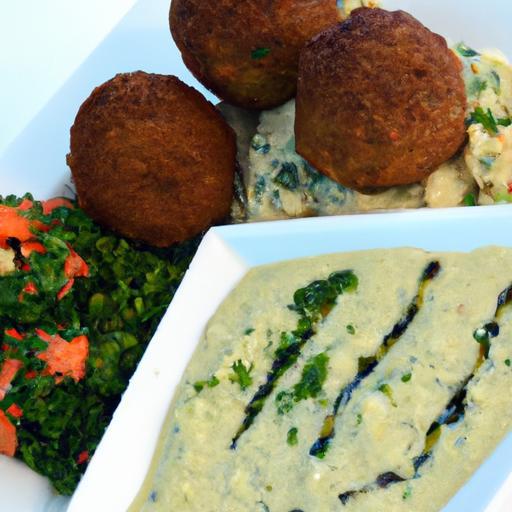
Visual Presentation: Stack falafel on a platter garnished with bright green herbs, and drizzle tahini in a zig-zag pattern to entice guests visually and emotionally.

| Falafel Type | Calories (per 3 pcs) | Protein | Carbs | Fat |
|---|---|---|---|---|
| Levantine | 210 | 8g | 25g | 9g |
| Egyptian (Ta’ameya) | 230 | 7g | 24g | 11g |
| Israeli | 220 | 9g | 23g | 8g |
For a deeper dive into Middle Eastern street food culture, explore our Middle Eastern Cuisine Guide. To understand more about the nutritional benefits of chickpeas and fava beans, visit Healthline’s Chickpea Nutrition Review.
Q&A
Q&A: Falafel Face-Off – Levantine, Egyptian & Israeli Flavors Compared
Q1: What exactly is falafel, and why has it sparked such passionate debates across different regions?
A1: Falafel is a beloved deep-fried ball or patty made from ground legumes, herbs, and spices. It’s a culinary icon of the Middle East that’s more than just street food-it’s a cultural emblem. The debates arise because falafel has many regional variations, each claiming to be the true original, reflecting local tastes, ingredients, and centuries of tradition.
Q2: How do Levantine falafels differ from Egyptian ones?
A2: Levantine falafel, popular in countries like Lebanon, Syria, and Jordan, is typically made from chickpeas and often includes fresh herbs like parsley and cilantro. It’s known for a crispy exterior and a moist, vibrant green interior. Egyptian falafel, or ta’ameya, switches chickpeas for fava beans, resulting in a denser, earthier patty often seasoned with dill, coriander, and leeks, offering a uniquely fresh, herbaceous flavor.
Q3: What makes Israeli falafel stand out in this trio?
A3: Israeli falafel is a flavorful fusion, drawing heavily from Levantine styles but often jazzed up with extra garlic, cumin, and sometimes onion. It’s usually chickpea-based, fried until ultra-crisp on the outside, and famously served stuffed into pita bread with an array of toppings like tahini, Israeli salad, pickles, and hot sauce. This version has become a national dish and a symbol of Israeli street food culture.
Q4: Are there significant differences in the way falafel is prepared or served in these regions?
A4: Absolutely! Levantine and Israeli falafels tend to be smaller and are commonly eaten inside pita or laffa bread with an assortment of fresh vegetables, tahini sauces, and sometimes pickled additions. Egyptian falafel is often larger and thicker, and while it can be part of a sandwich, it’s also served as part of mezze platters. The frying method and oil types can also vary, influencing texture and taste.
Q5: Can falafel be considered a healthy food choice across these different varieties?
A5: Falafel’s core ingredients-legumes, herbs, and spices-are naturally nutrient-rich and high in protein and fiber. However, since falafel is deep-fried, its healthiness depends on the oil quality and frying method. Mediterranean and Middle Eastern diets often enjoy falafel as part of balanced meals alongside fresh salads and yogurt sauces, making it a satisfying and relatively wholesome option.
Q6: Why has falafel become such an international sensation?
A6: Falafel’s rise to global fame stems from its irresistibly crunchy texture, savory taste, and versatility as a street food or restaurant favorite. It’s naturally vegan and gluten-free (when served without bread), appealing to diverse dietary needs. Plus, its roots in rich cultural narratives and traditions make it more than just food-it’s a delicious ambassador of Middle Eastern heritage worldwide.
Q7: If a foodie wants to experience authentic falafel flavors, what should they look for?
A7: Look for falafels made fresh from scratch, using quality fresh herbs and soaked legumes, fried to golden perfection without oil greasiness. Authentic falafel often carries subtle herbal notes, a balance of spices like cumin and coriander, and a moist inside. Pair it with traditional accompaniments like tahini sauce, pickled vegetables, and fresh salads to truly savor the regional story each bite tells.
In Conclusion: The falafel face-off isn’t about crowning a single winner-it’s about celebrating a culinary tradition that thrives in vibrant diversity. From Egypt’s fava bean delights to the herbaceous chickpeas of the Levant and Israel’s iconic pita bundles, every variation invites a delicious journey across history, culture, and taste. So, why choose one when you can savor them all?
The Way Forward
Whether wrapped in pita, drizzled with tahini, or nestled beside pickles, falafel serves as a flavorful ambassador of Levantine, Egyptian, and Israeli culinary traditions. Each variation tells a story-of regional spices, age-old techniques, and cultural pride-inviting us to savor not just the taste, but the rich heritage infused in every bite. So, next time you find yourself at a falafel stand, take a moment to appreciate the intricate tapestry of history and flavor that makes this humble fritter a global icon. After all, the true victory in any falafel face-off is the celebration of diversity on our plates.